- Green Glow
- Posts
- 🌱 Reuse and Return: The 15-Year Plan to Erase Plastic Waste from Our Planet 🌍♻️
🌱 Reuse and Return: The 15-Year Plan to Erase Plastic Waste from Our Planet 🌍♻️
A new global report reveals that reuse and return systems could eliminate up to 97 percent of plastic packaging pollution by 2040. Learn how refillable containers, deposit return schemes and circular design can help the world erase plastic waste within 15 years while protecting health, ecosystems and the climate.

Green Glow
December 04, 2025
Plastic pollution has reached a historic tipping point. Every year, millions of tonnes of plastic packaging leak into rivers, oceans and landscapes, harming wildlife, threatening public health and fueling climate change. A new global analysis offers a hopeful alternative. According to a major report supported by Pew Charitable Trusts and leading researchers, the world can eliminate almost all plastic packaging pollution within the next 15 years by shifting to a reuse and return based system.
This is not an unrealistic vision. It is a practical roadmap built on solutions that already exist. If governments, companies and consumers act collectively, the planet could reach a future where plastic waste is no longer part of daily life.
Table of Contents
The True Scale of the Plastic Crisis
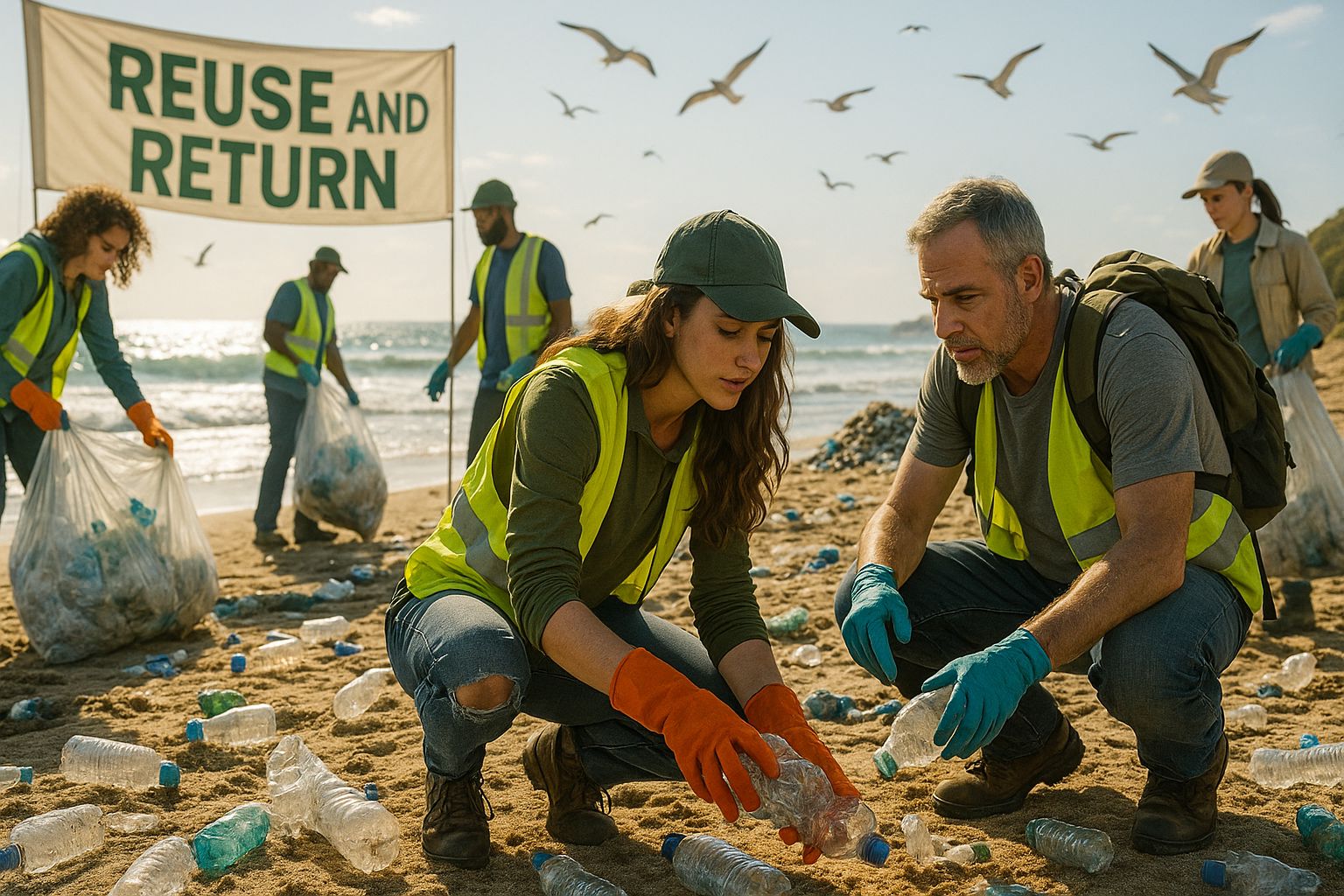
The report highlights that plastic packaging is the single largest source of plastic waste on the planet. Every year it accounts for roughly a third of all plastic waste generated worldwide. About 66 million tonnes of packaging leak into the natural environment annually, polluting coastlines, farmland and waterways.
Without intervention, this number is expected to skyrocket. By 2040, global plastic waste could more than double, reaching close to 280 million tonnes annually. This scenario represents the equivalent of dumping a full rubbish truck of plastic into the environment every single second. The consequences for ecosystems, human health and the climate would be devastating.
The 15-Year Solution: How Reuse and Return Systems Work
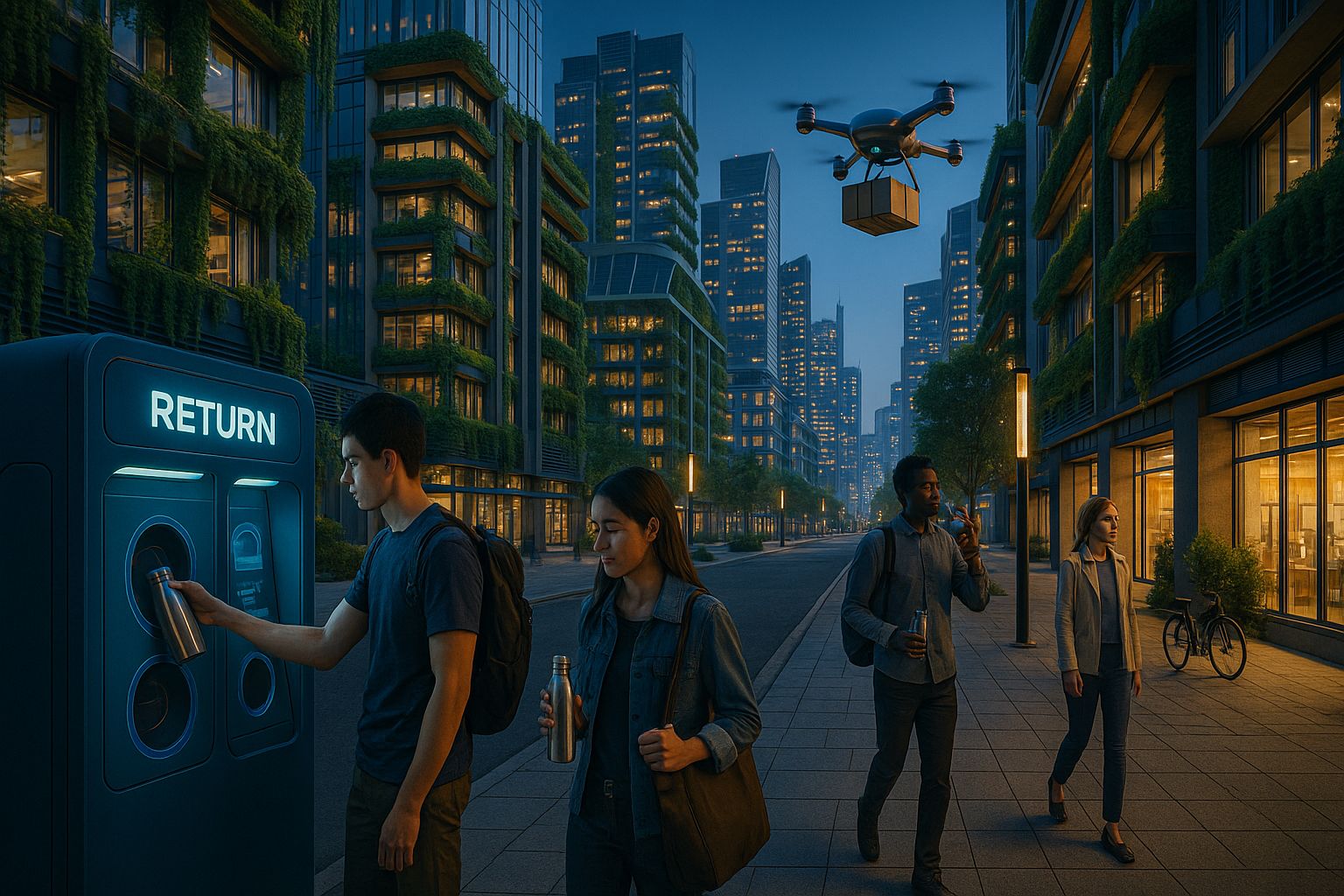
The report proposes a clear strategy. To eliminate pollution from plastic packaging by 2040, the world must adopt large scale reuse, refill and return systems. These models replace single use packaging with containers that can be collected, cleaned and used again.
Some of the most effective examples include:
Refillable containers in supermarkets
Consumers return empty bottles, jars or boxes to be cleaned and refilled.
Deposit return schemes for beverages
People pay a small deposit when buying a drink and receive the deposit back when returning the container.
Reusable delivery boxes for online shopping
Durable containers circulate repeatedly between companies and customers.
Reusable food packaging in restaurants and cafes
Takeaway meals come in returnable boxes instead of single use plastics.
These systems already exist in many regions, but the report shows that scaling them globally could reduce packaging pollution by as much as two thirds.
Why Reuse is More Powerful Than Recycling
Recycling alone cannot solve the plastic crisis. Many types of plastic used in packaging are difficult to recycle or lose quality during the process. Contamination, inadequate waste management and limited recycling capacity further weaken the system.
In contrast, reuse keeps materials in circulation through multiple life cycles. This reduces the need for new plastic production, cuts waste at the source and lowers energy use. By redesigning packaging to be reusable, industries can shift toward a circular model that keeps resources in the economy instead of polluting the environment.
Health and Climate Benefits of Cutting Plastic Waste
Plastic pollution is not only an environmental problem. Plastic products contain thousands of additives and chemicals. Many of these chemicals are linked to serious health risks including hormonal disruption, fertility problems, developmental issues in children and increased risk of diseases such as diabetes and cancer.
The climate impacts are equally significant. Plastic production currently contributes about 2.7 billion tonnes of greenhouse gases every year. If plastic use continues to grow at current rates, these emissions could rise to more than 4 billion tonnes by 2040. Reducing the need for single use plastics is one of the fastest ways to cut emissions from the petrochemical industry.
The Economic Case for Reuse and Return Models
The report finds that shifting to reuse systems could save governments billions of dollars. By reducing the amount of waste that needs to be collected, transported and processed, countries could lower waste management costs by roughly 19 billion dollars per year by 2040.
Investments in reusable packaging also create new jobs in cleaning facilities, collection logistics and design. The transition supports a modern green economy that benefits businesses as well as communities.
Challenges to Overcome on the Path to 2040
While the plan is realistic, it requires deep cooperation between governments, businesses and citizens. Some of the biggest challenges include:
Industry resistance
Companies that rely heavily on single use plastics may push back against new regulations.
Infrastructure needs
Countries must build collection and cleaning systems for reusable packaging.
Consumer behavior
People will need to adapt to returning containers or using refill stations.
Global coordination
Plastic flows across borders, which means the solutions must be international to be effective.
Even with these challenges, the report stresses that the world already has everything it needs to act. The technology, materials and models are available today.
Conclusion
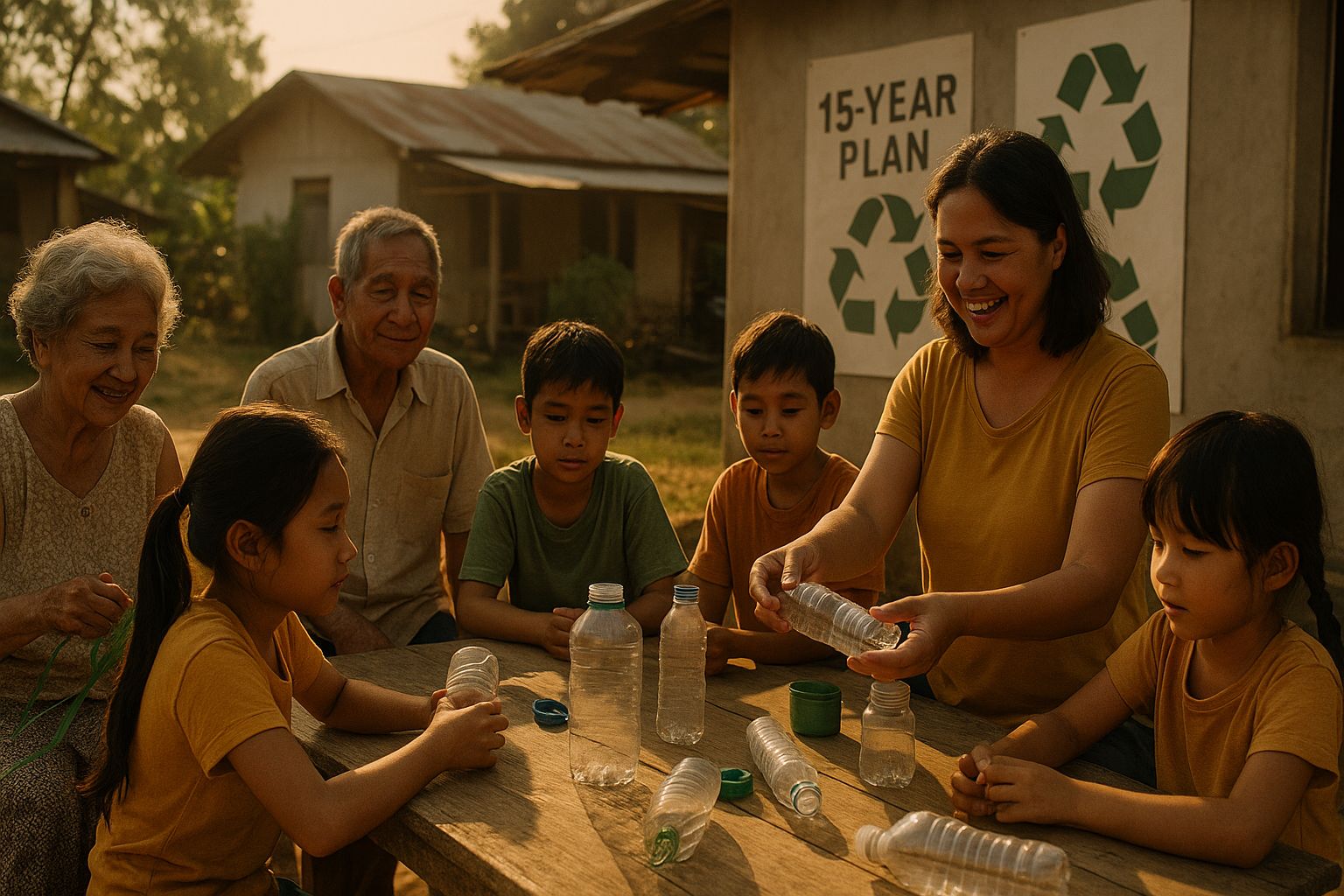
The 15-year pathway outlined in the report is a rare chance to reshape the global plastics system. If governments support strong policies, if industries redesign packaging and if communities adopt reuse habits, the world can dramatically cut pollution, protect ecosystems and improve public health.
A plastic free future is not a dream. It is a choice. The next decade will determine whether the world continues down a path of escalating waste or embraces a cleaner, safer and more sustainable model.
The time to act is now. With reuse and return systems at the center of global policy, the planet can move toward a future where plastic no longer harms our oceans, wildlife and communities.
FAQs
What are reuse and return systems?
Reuse and return systems replace single use plastic packaging with containers designed to be reused multiple times. Consumers return empty bottles, jars or boxes to collection points, where they are cleaned and refilled. This reduces waste at the source and keeps materials circulating within the economy.
How much plastic pollution can reuse systems eliminate?
According to the report discussed in the article, widespread adoption of reuse systems could cut plastic packaging pollution by up to two thirds. Combined with material substitutions and reduced production, global plastic pollution could be reduced by 97 percent by 2040.
Why is recycling not enough to solve the plastic crisis?
Many plastic types are difficult to recycle, lose quality during processing or are contaminated by food waste. Recycling also requires significant energy. Reuse systems are more effective because they prevent waste creation in the first place and reduce the need for new plastic production.
What are the health risks associated with plastic pollution?
Plastic products contain thousands of chemical additives. Some are linked to hormonal disruption, reduced fertility, developmental issues in children, increased risk of cancer and other chronic diseases. When plastic breaks down into microplastics, these chemicals can enter the food chain and affect human health.
You May Also Like
🌱 Pollution vs. Education: The Silent Crisis in America’s Gas-Producing Regions ⚠️📚
🌱 How China’s Tourism Industry Is Embracing Renewable Energy to Go Green ✈️🌍
🌱 South Africa’s Green Energy Gamble: Is the Shift from Coal on Track? ⚡🌍
🌱 Did Renewable Energy Trigger Spain’s Blackout? A Closer Look at the Grid ⚠️🔌
🌱 How Plastic Pollution Is Threatening Our Planet and Our Health ♻️🌡️
External Links
Follow Us:
X: https://www.x.com/greenglownews
Youtube: https://www.youtube.com/@greenglownews
Instagram: https://www.instagram.com/greenglownews
Sponsored Links