- Green Glow
- Posts
- 🌱 How Climate Change Is Supercharging Plastic Pollution Worldwide ♻️🌍
🌱 How Climate Change Is Supercharging Plastic Pollution Worldwide ♻️🌍
Climate change is accelerating plastic pollution by breaking plastics into toxic microplastics and spreading them across air, land, and oceans through extreme weather. Discover how global warming is making plastic more mobile, persistent, and hazardous to ecosystems and human health, and why reducing plastic production is now critical.

Green Glow
November 29, 2025
Plastic pollution has long been recognized as a major environmental threat, but a growing body of scientific research shows that climate change is magnifying this crisis in powerful and unexpected ways. Extreme weather, rising temperatures, and changing ocean conditions are transforming plastic from a slow-moving pollutant into a highly mobile and increasingly toxic force. The world is now confronting two interconnected crises that amplify one another and endanger ecosystems, wildlife, and human health.
Table of Contents
Breaking Down Plastics Faster and Turning Them More Toxic
Climate change is altering the way plastic behaves in the natural world. Increased heat, humidity, and ultraviolet radiation accelerate the breakdown of larger plastic items into microplastics. These tiny fragments are more difficult to collect and more easily ingested by animals and humans. As plastics degrade faster, the chemical additives inside them can leach out and accumulate in water, soil, and food chains.
Microplastics can also bind with pesticides, heavy metals, and other toxic pollutants. Scientists describe these particles as Trojan horses because they act as carriers and can transport harmful substances throughout the environment. The result is a dramatic rise in the toxic potential of plastic pollution.
Extreme Weather Is Spreading Plastic to Every Corner of the Planet
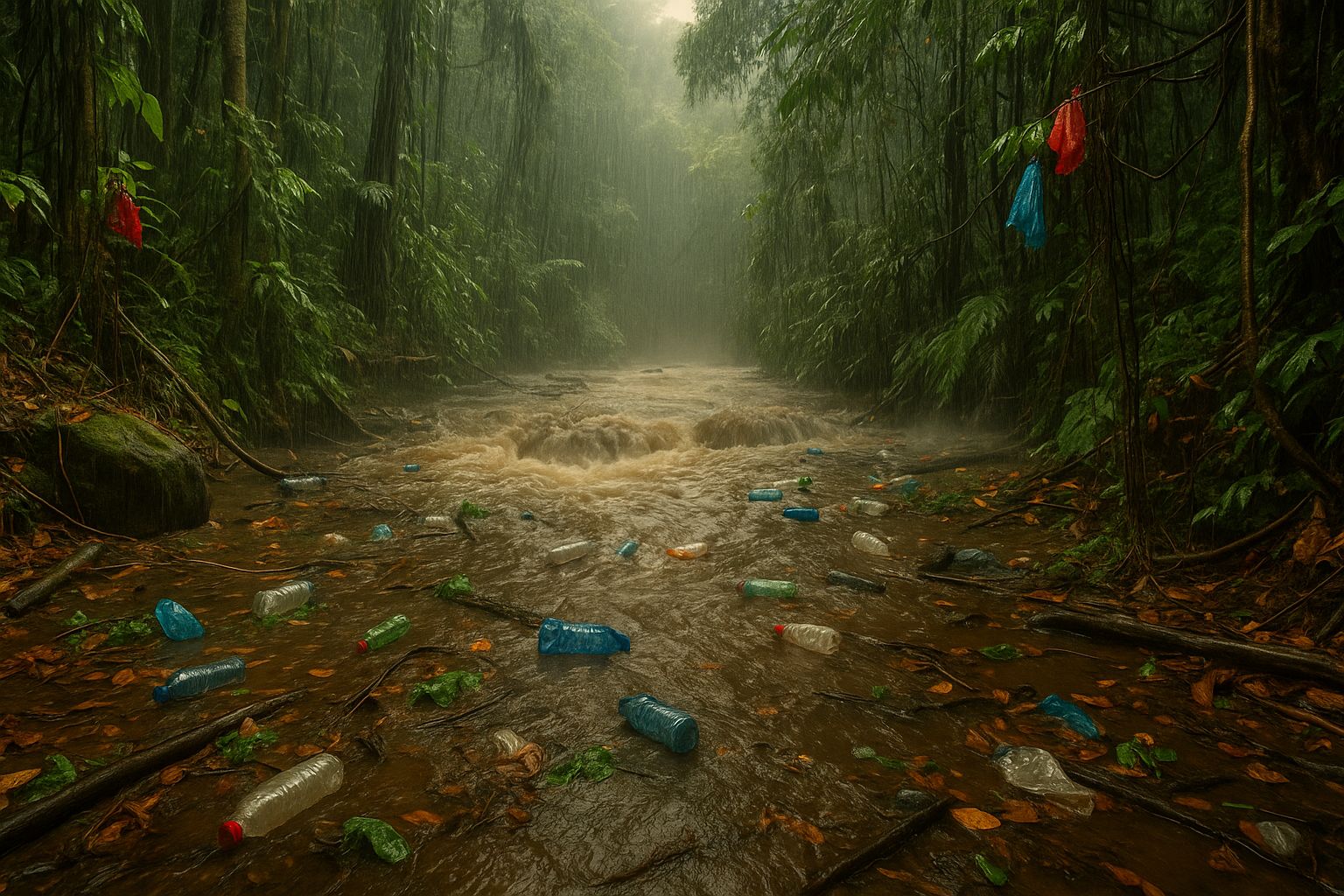
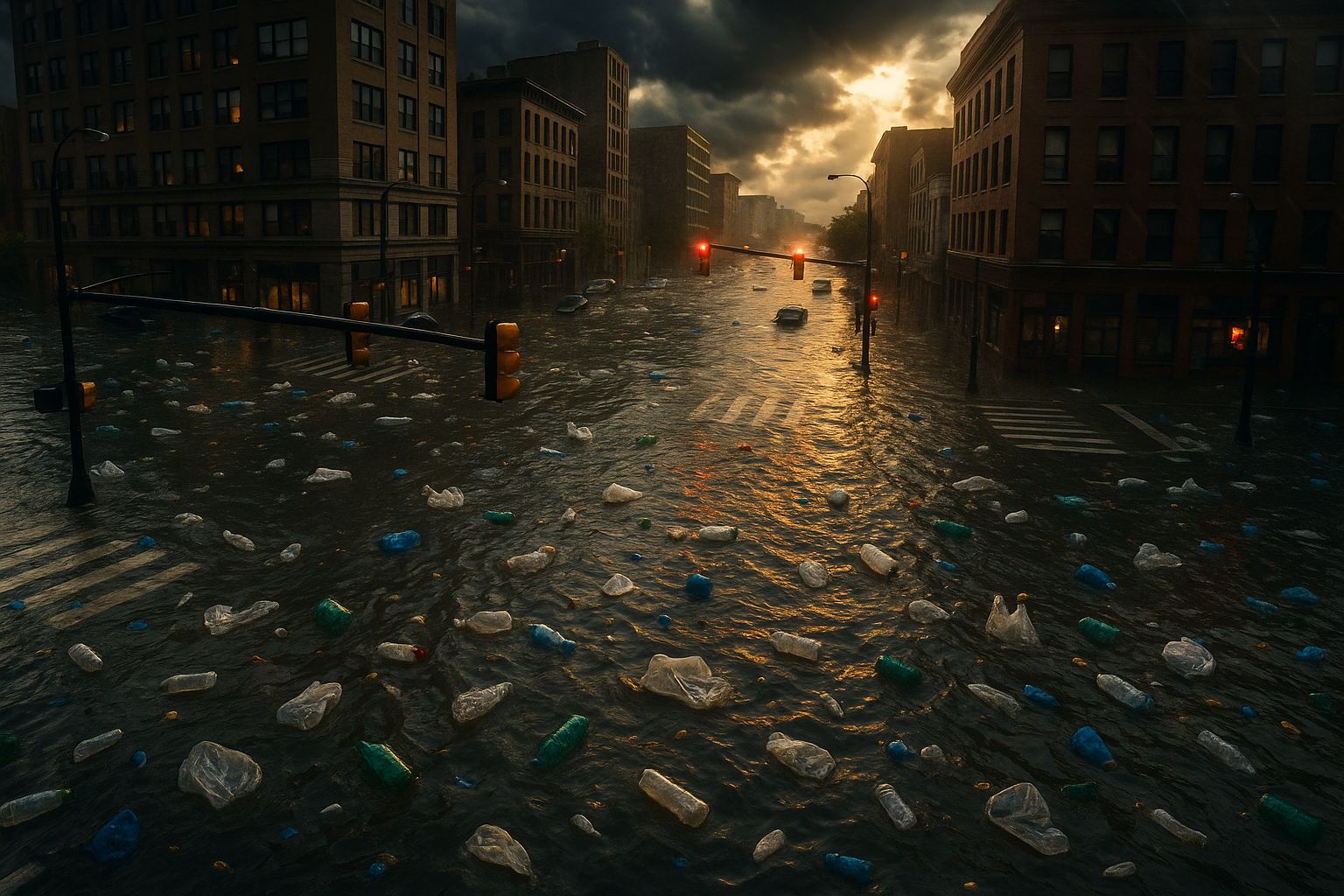
Storms, hurricanes, floods, and strong winds are accelerating the movement of plastic across land and sea. Coastal floods push plastic deep into marine ecosystems. Stormwater drains and overflowing rivers carry plastic into far inland and often remote locations. Even droughts contribute to the crisis, as dry, cracked soil releases stored microplastics into the air where they can be transported long distances by wind.
As extreme weather becomes more frequent due to climate change, plastic pollution is no longer concentrated in landfills or coastal regions. It now travels through the atmosphere, oceans, rivers, soils, and living organisms. No environment is safe from contamination.
New Hotspots Are Emerging, Including the Formation of "Plastic Rocks"
Scientists have documented new phenomena related to climate-driven plastic accumulation. In some coastal and rocky regions, plastic has begun to fuse with natural materials to create formations known as plastic rocks. These rocks become concentrated reservoirs of microplastics that slowly release fragments into surrounding environments. They illustrate how plastic pollution is evolving rather than simply accumulating.
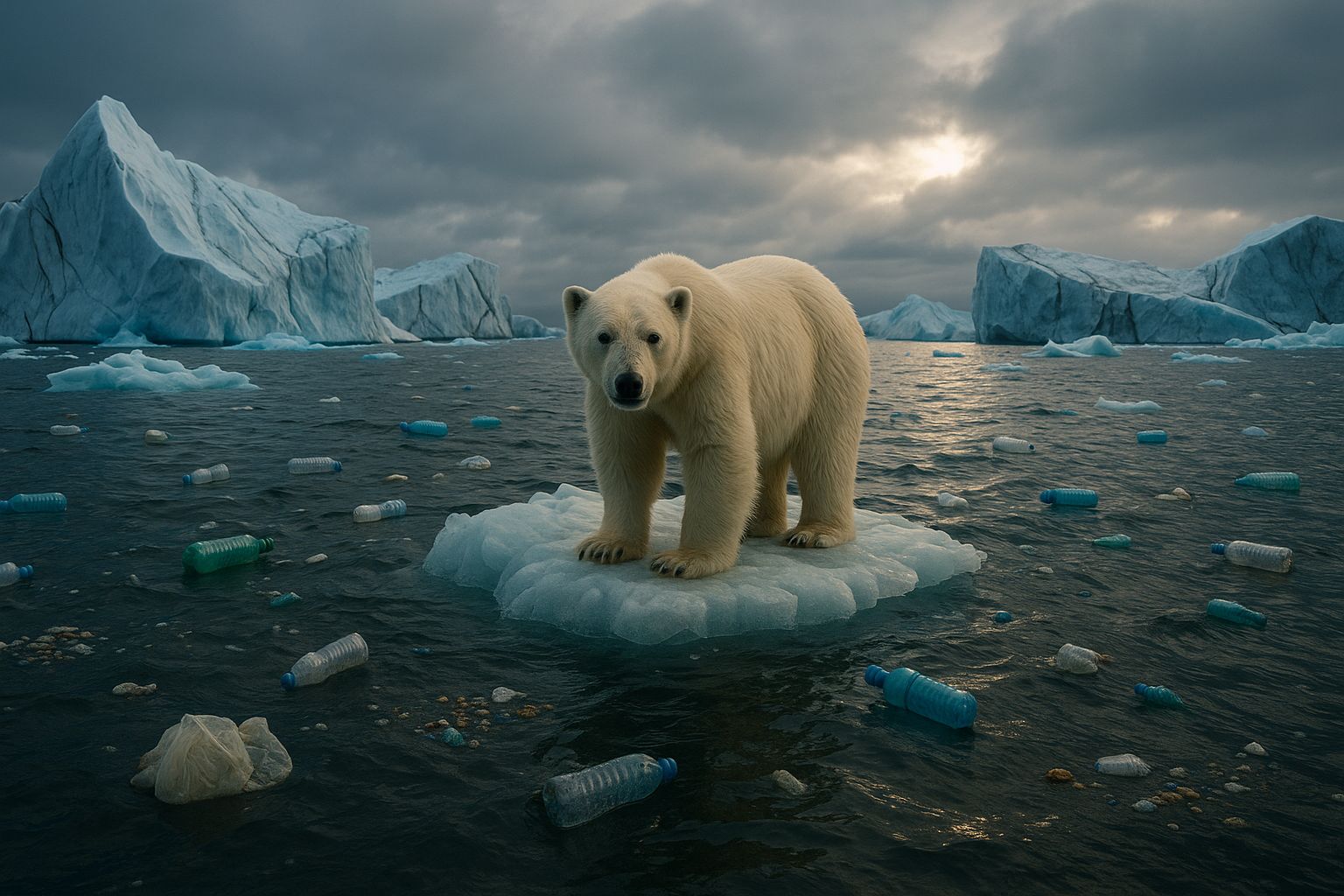
Where climate change and plastic overlap most severely, such as coral reefs and coastal wetlands, there is a growing risk of ecological degradation. Animals exposed to both warming temperatures and microplastics show reduced growth, weakened immune systems, and increased vulnerability to disease.
Human Health Risks Are Rising
The spread of microplastics increases the potential for exposure in air, water, and food. Tiny plastic particles have been found in seafood, drinking water, fruits, vegetables, salt, and even the placenta of pregnant women. As climate change causes plastics to fragment more rapidly and travel more widely, human exposure is likely to increase as well.
Health scientists warn that microplastics are not biologically inert. They can carry toxic chemicals that interfere with hormones, disrupt immune function, and inflame tissues. Although research is still evolving, the early evidence suggests that climate-accelerated plastic pollution could become a major public health concern.
Why Recycling Is Not Enough
Traditional solutions that rely on recycling are not equipped to deal with plastic pollution that is increasingly mobile and microscopic. Once plastics become microplastics and nano-plastics, recovery is nearly impossible. Recycling and cleanup efforts are important, but they are not sufficient on their own.
Experts emphasize that reducing plastic production, especially single-use plastics and virgin plastic, is critical to slowing the crisis. Innovation in sustainable materials, circular product systems, and government policies can create large and lasting impact.
A Planetary Threat That Requires Global Action
Plastic pollution and climate change are no longer separate environmental issues. They overlap and intensify each other, creating a combined threat to global ecosystems and human health. Immediate action will determine whether plastic becomes contained or continues to multiply through the natural world.
Efforts that can help include:
Reducing plastic production
Expanding bans on single-use plastics
Improving waste management in vulnerable regions
Supporting research on microplastic behavior and health effects
Developing international agreements to regulate plastic across its lifecycle
The window for effective action is narrowing, but the world still has a chance to reverse course. If governments, businesses, and individuals prioritize sustainable consumption and long-term environmental protection, the scale of the plastic crisis can still be reduced.
Conclusion
Climate change is supercharging plastic pollution by accelerating plastic breakdown, transporting microplastics across the planet, and increasing their toxicity. This dangerous synergy is reshaping ecosystems and increasing risks for wildlife and people. Tackling plastic pollution is no longer just an environmental responsibility. It is a critical part of the global climate response and a vital step toward protecting the future of life on Earth.
FAQs
How does climate change make plastic pollution worse?
Climate change increases heat, humidity, and UV radiation, which speeds up the breakdown of plastics into microplastics. Extreme weather events such as storms and floods then transport these particles across land, water, and air, creating widespread contamination.
Why are microplastics so dangerous?
Microplastics are tiny fragments that are easily ingested by animals and humans. They can carry toxic chemicals such as pesticides and heavy metals, and they accumulate in food, water, and the environment, causing health and ecological risks.
Can plastic pollution travel through the air?
Yes. Droughts and strong winds can lift microplastics from soil and urban surfaces into the atmosphere. Research shows that airborne microplastics can travel long distances and eventually settle in oceans, mountains, and remote environments.
What are plastic rocks and how do they form?
Plastic rocks develop when plastic debris melts or fuses with natural materials like stones along coastlines and volcanic areas. They become hotspots of microplastic release and illustrate how plastic continues to evolve in the natural world under climate stress.
Is recycling enough to solve the plastic crisis?
Recycling is helpful but not enough. Many plastics are not recyclable, and microplastics cannot be recovered once they enter the environment. Experts agree that reducing plastic production and limiting single-use plastics are essential for long-term solutions.
You May Also Like
🌱 Pollution vs. Education: The Silent Crisis in America’s Gas-Producing Regions ⚠️📚
🌱 How China’s Tourism Industry Is Embracing Renewable Energy to Go Green ✈️🌍
🌱 South Africa’s Green Energy Gamble: Is the Shift from Coal on Track? ⚡🌍
🌱 Did Renewable Energy Trigger Spain’s Blackout? A Closer Look at the Grid ⚠️🔌
🌱 How Plastic Pollution Is Threatening Our Planet and Our Health ♻️🌡️
External Links
Follow Us:
X: https://www.x.com/greenglownews
Youtube: https://www.youtube.com/@greenglownews
Instagram: https://www.instagram.com/greenglownews
Sponsored Links