- Green Glow
- Posts
- 🌱 Wildfires Are Polluting the Air More Than Scientists Expected 🔥🧪
🌱 Wildfires Are Polluting the Air More Than Scientists Expected 🔥🧪
Wildfires are releasing far more air pollution than scientists once believed. New research reveals hidden emissions, growing health risks, and major implications for climate and air quality models.

Green Glow
January 11, 2026
Wildfires have long been recognized as a destructive force for ecosystems, communities, and climate stability. However, new scientific findings suggest their impact on air pollution has been significantly underestimated. Recent research shows that wildfires release far more harmful pollutants into the atmosphere than scientists previously believed, with serious consequences for air quality, public health, and climate modeling.
As wildfire seasons grow longer and more intense due to rising global temperatures, understanding their true environmental footprint has become increasingly urgent.
Table of Contents
A Major Underestimation of Wildfire Pollution
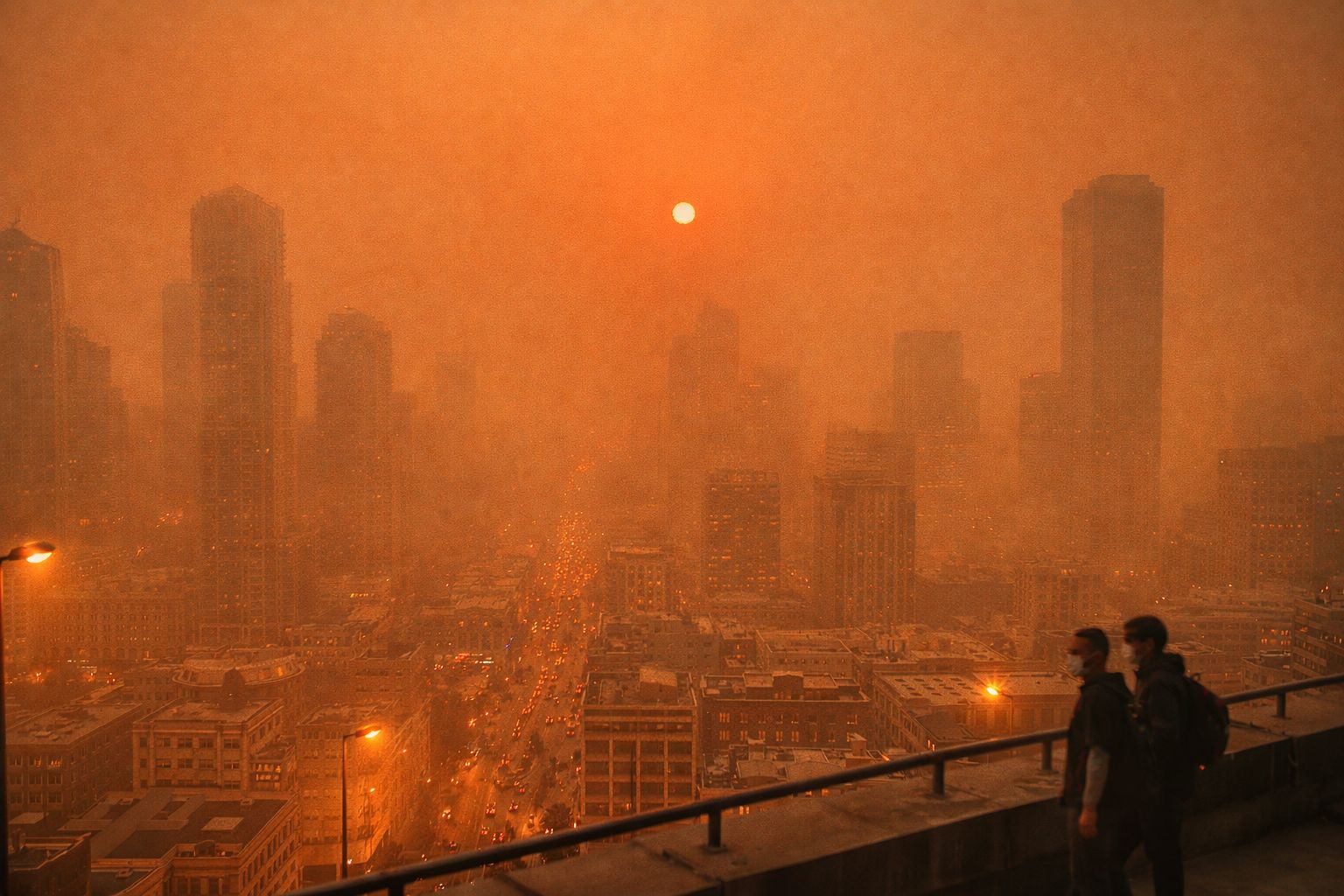
New analysis of global wildfire emissions reveals that wildfires produce substantially higher levels of organic air pollutants than earlier estimates suggested. Researchers examining wildfire data over multiple decades found that emissions of organic compounds are roughly 20 percent higher than previously calculated.
These organic compounds include volatile and semi volatile substances that do not remain in their original form. Once released into the atmosphere, they undergo chemical reactions that create fine particulate matter, commonly known as PM2.5. These particles are small enough to penetrate deep into the lungs and even enter the bloodstream.
The findings indicate that earlier models failed to fully account for these secondary chemical reactions, meaning a large portion of wildfire pollution was effectively invisible in past assessments.
How Wildfire Smoke Becomes More Dangerous Over Time
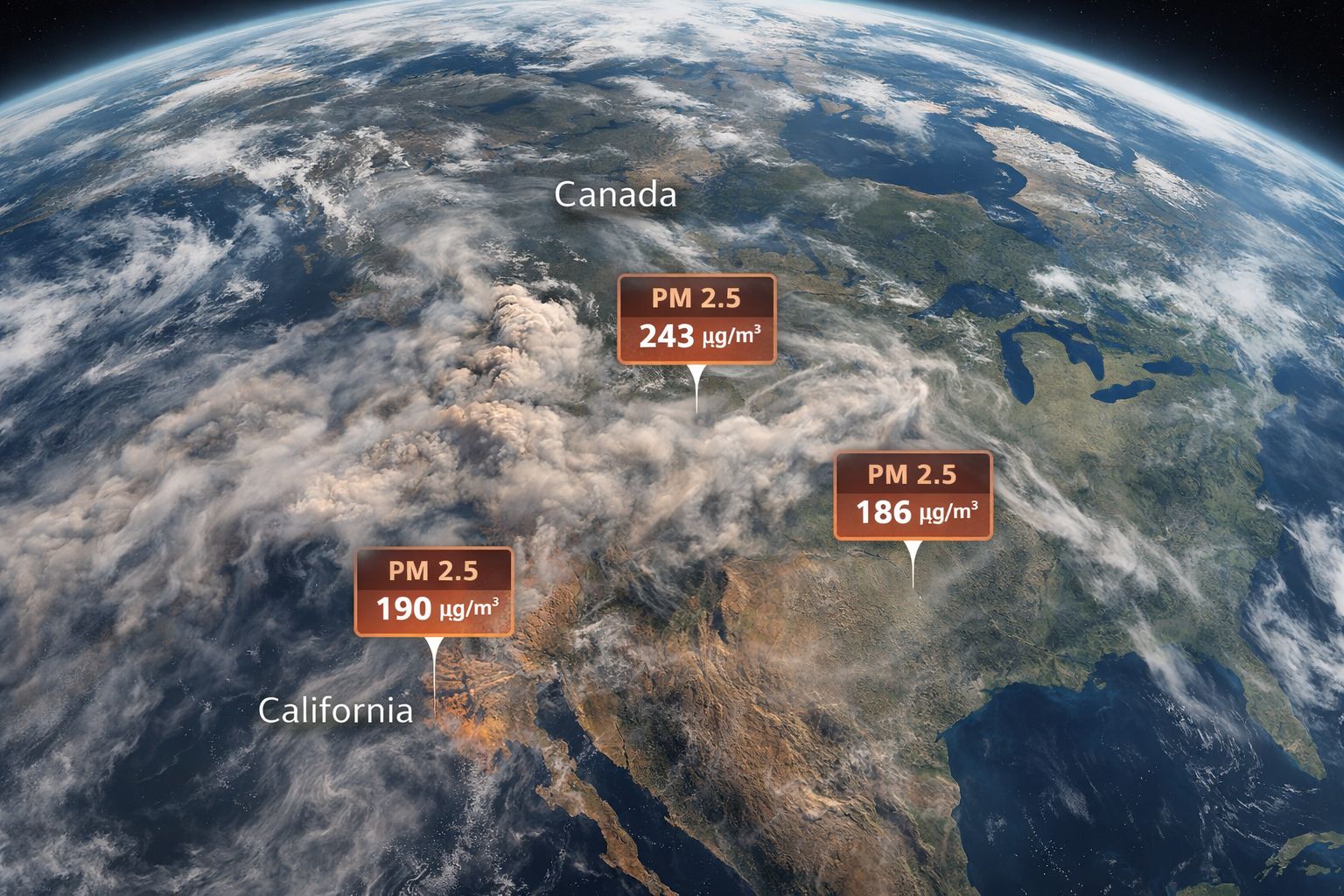
Wildfire smoke is not static. As it drifts away from the fire zone, sunlight and atmospheric chemicals transform emitted gases into new pollutants. This process leads to the formation of fine particles that can persist in the air for days or weeks.
As a result, communities far from active wildfires can experience severe air quality deterioration without direct exposure to flames. Cities hundreds or even thousands of kilometers away may see elevated pollution levels that rival or exceed those from traffic and industrial sources.
This transformation process helps explain why wildfire smoke events have increasingly triggered widespread air quality alerts across entire regions.
Health Impacts Extend Beyond Fire Zones
The health risks associated with wildfire pollution are well documented, but the new findings suggest these risks may be greater than previously assumed. Fine particulate matter from wildfire smoke is linked to respiratory illness, heart disease, asthma exacerbation, and increased hospital admissions.
Long term exposure has also been associated with premature mortality, particularly among children, older adults, and individuals with pre existing health conditions. Because wildfire smoke can travel long distances and linger in the atmosphere, millions of people may be exposed without realizing the source of the pollution.
This hidden exposure complicates public health responses, especially when air quality models underestimate the severity of smoke related pollution.
Climate Feedback Loops and Long Term Consequences
Wildfires do not only degrade air quality. They also release large amounts of carbon dioxide and black carbon, both of which contribute to global warming. This creates a feedback loop in which rising temperatures increase wildfire frequency and intensity, which in turn release more climate warming pollutants.
Additionally, black carbon particles can settle on snow and ice, reducing reflectivity and accelerating melting. This effect further amplifies warming in sensitive regions such as the Arctic.
Underestimating wildfire emissions means climate models may also be underestimating future warming risks.
Why Accurate Measurement Matters
Accurately quantifying wildfire pollution is critical for several reasons. Air quality forecasting relies on emission estimates to issue health advisories and guide emergency responses. Climate models depend on accurate data to project future warming scenarios. Policymakers use these models to design mitigation strategies and allocate resources.
If wildfire pollution is consistently underestimated, governments may be underprepared for its health, environmental, and economic impacts. Improved monitoring and updated emission inventories are essential for developing realistic climate and air quality policies.
A Growing Challenge in a Warming World
As climate change drives hotter, drier conditions across many regions, wildfires are becoming more frequent and severe. Forests, grasslands, and peatlands are all increasingly vulnerable to large scale fires.
The new research highlights that wildfires are not just a seasonal disaster but a persistent and escalating source of air pollution. Addressing this challenge will require better data, improved public health planning, and stronger efforts to reduce the underlying drivers of climate change.

Conclusion
Wildfires are polluting the air far more than scientists once believed. The discovery that emissions are significantly higher than previous estimates underscores the need to rethink how wildfire pollution is measured and managed.
As wildfire activity continues to intensify globally, understanding and accounting for their true pollution impact is no longer optional. It is a necessary step toward protecting public health, improving climate models, and preparing societies for a future where wildfires play an increasingly central role in environmental risk.
FAQs
Why are wildfires producing more pollution than expected?
Recent research shows that earlier models underestimated the amount of organic compounds released by wildfires. Many of these compounds transform in the atmosphere into fine particulate matter, increasing total pollution levels beyond initial estimates.
What types of pollutants do wildfires release?
Wildfires emit carbon dioxide, black carbon, volatile organic compounds, nitrogen oxides, and fine particulate matter. Some of these pollutants form after the smoke has already entered the atmosphere, making their impact harder to measure.
How does wildfire smoke affect air quality far from the fire?
As wildfire smoke travels, chemical reactions driven by sunlight turn gases into fine particles. This allows pollution to spread across large regions, degrading air quality even in areas far from active fires.
What health risks are linked to wildfire air pollution?
Exposure to wildfire pollution is associated with respiratory illnesses, cardiovascular disease, asthma flare ups, increased hospital admissions, and a higher risk of premature death, especially among vulnerable populations.
Why is PM2.5 from wildfires especially dangerous?
PM2.5 particles are small enough to penetrate deep into the lungs and enter the bloodstream. These particles can trigger inflammation and worsen existing health conditions.
You May Also Like
🌱 Why $2.5 Billion Says the U.S. Can’t Quit Clean Energy 💰♻️
🌱 How China Became the World's Top Investor in Clean Energy ⚡🌏
🌱 How Southwest China is Leading the Clean Energy Revolution 🚀⚡
🌱 Could Taxing Wind and Solar Energy Backfire on Consumers? ⚡💰
🌱 Climate Crisis and International Law: The ICJ’s Role in Climate Reparations ⚖️💰
External Links
Follow Us:
X: https://www.x.com/greenglownews
Youtube: https://www.youtube.com/@greenglownews
Instagram: https://www.instagram.com/greenglownews
Sponsored Links