- Green Glow
- Posts
- 🌱 Why the Clean Energy Market Keeps Growing Despite Political Pushback ⚡🌍
🌱 Why the Clean Energy Market Keeps Growing Despite Political Pushback ⚡🌍
Why the clean energy market continues to grow despite political pushback, driven by economics, rising demand, corporate investment, and state-level action.

Green Glow
January 19, 2026
Political opposition has increasingly targeted clean energy in recent years, particularly at the federal level. Yet despite regulatory rollbacks, delayed permits, and hostile rhetoric, the clean energy market continues to expand across the United States. Solar, wind, and battery storage are being built at scale, utilities are signing long-term clean power contracts, and private investment remains strong.
This growth is not accidental. It is driven by economics, demand, and structural changes in the energy system that politics alone cannot reverse.
Table of Contents

Market Economics Are Stronger Than Policy Resistance
The primary reason clean energy continues to grow is simple: it is often the cheapest option.
Over the past decade, the cost of solar and wind power has fallen dramatically. In many regions, new renewable projects are cheaper than building new fossil fuel plants and in some cases cheaper than operating existing coal facilities. Battery storage costs have also declined, making renewables more reliable and dispatchable.
Utilities and corporate buyers make decisions based on long-term cost certainty. Clean energy offers predictable pricing because it avoids fuel price volatility. Once built, a solar or wind plant has minimal operating costs. That economic reality makes renewables difficult to ignore, even in politically hostile environments.
Rising Electricity Demand Is Forcing New Investment
Electricity demand in the United States is rising after years of relative flatness. Several forces are driving this increase:
Data centers and artificial intelligence infrastructure
Electrification of transportation and heating
Population growth in high-demand regions
Meeting this demand requires new generation capacity. In most cases, renewables are the fastest and least expensive option to deploy. Natural gas plants face long permitting timelines, supply chain risks, and fuel price exposure. Coal plants are increasingly uneconomic and difficult to finance.
As a result, utilities are adding clean energy not primarily for climate reasons but because it is the most practical solution available.
State and Local Governments Are Filling the Federal Gap
While federal policy may shift with political cycles, state and local governments play a major role in energy development. Many states maintain renewable portfolio standards, clean energy targets, and incentive programs that continue regardless of federal leadership.
Local governments also influence zoning, permitting, and procurement decisions. Cities and counties are increasingly adopting clean power purchasing agreements, electrification policies, and resilience planning that favor renewables.
This decentralized structure of the U.S. energy system limits the ability of any single administration to halt clean energy growth nationwide.
Corporate Demand Is Reshaping the Energy Market
Large corporations are now among the biggest drivers of clean energy expansion. Technology companies, manufacturers, retailers, and logistics firms are signing long-term power purchase agreements for renewable electricity.
These companies are motivated by several factors:
Cost stability
Investor pressure
Customer expectations
Internal sustainability commitments
Once a company commits to clean energy procurement, it creates long-term demand that is insulated from short-term political shifts. This private-sector momentum has become one of the strongest forces sustaining clean energy growth.
Legal and Institutional Constraints Limit Political Interference
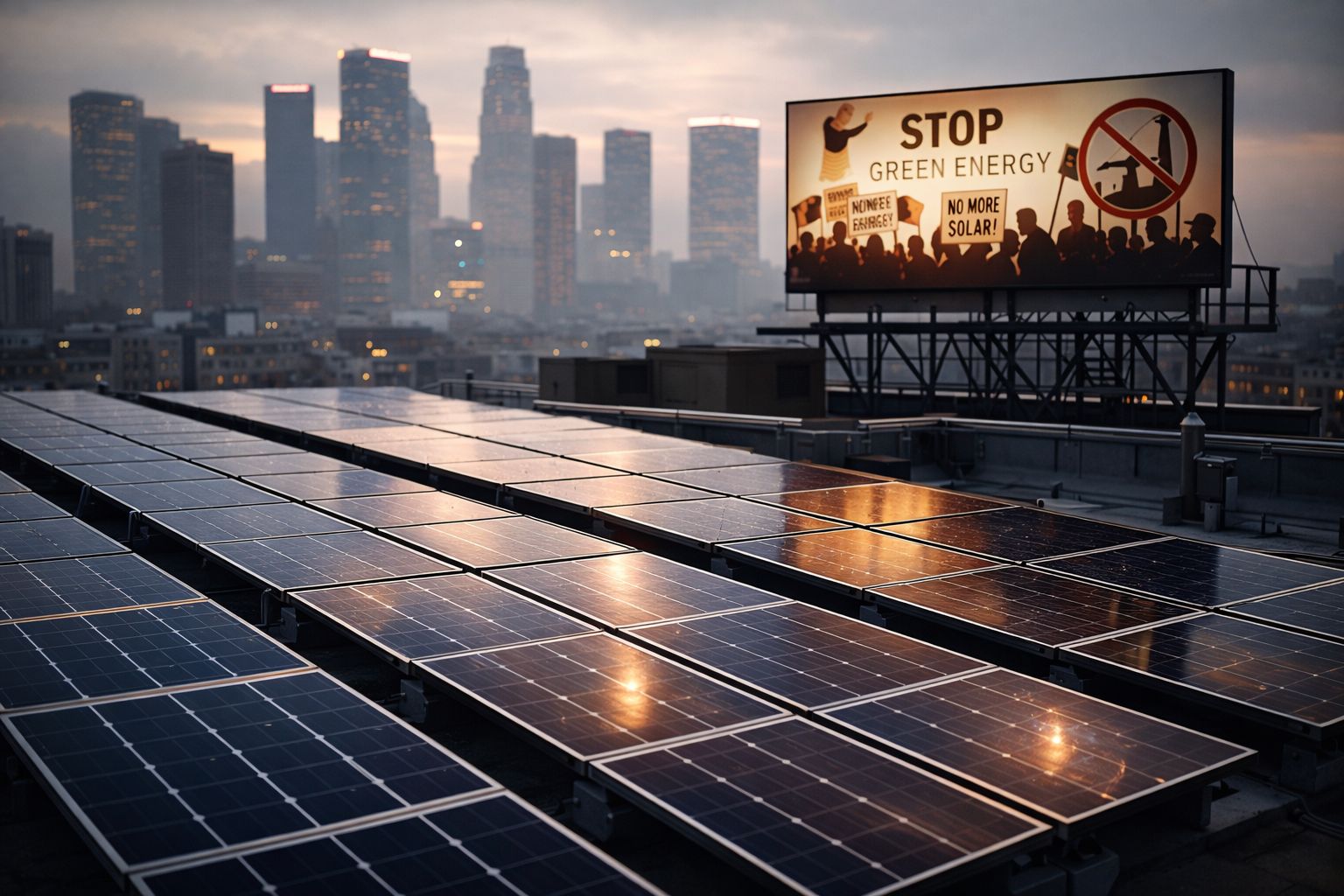
Efforts to block clean energy projects often face legal challenges. Courts have repeatedly ruled against arbitrary cancellations or delays, particularly when projects have already passed environmental review or secured financing.
In addition, federal agencies must operate within statutory frameworks. While leadership can influence enforcement priorities, it cannot easily override existing laws, contracts, or judicial decisions.
These legal constraints slow down political attempts to dismantle clean energy infrastructure that is already underway.
Clean Energy Is Now Embedded in the Economy
Perhaps most importantly, clean energy is no longer a niche sector. It is deeply embedded in the U.S. economy.
Millions of jobs are tied to renewable energy manufacturing, construction, maintenance, and supply chains. Rural communities depend on wind and solar lease payments. Pension funds and institutional investors hold clean energy assets.
Reversing this integration would carry significant economic and political costs. As a result, even policymakers skeptical of climate action often hesitate to directly attack projects that benefit their constituents.
The Limits of Political Pushback
Political opposition can slow permitting, increase uncertainty, and raise costs. It can delay projects and discourage some investment. But it cannot reverse the fundamental drivers of clean energy growth.
As long as renewables remain cost-competitive, scalable, and aligned with rising electricity demand, the market will continue to favor them.
The clean energy transition may proceed unevenly and face obstacles, but its underlying momentum is increasingly rooted in economics rather than ideology.
Conclusion
The continued expansion of clean energy despite political pushback reflects a broader truth about modern energy markets. Economics, demand, and infrastructure needs matter more than rhetoric.
While federal policy can influence the pace of change, it cannot easily override market forces that make clean energy the most logical choice for utilities, businesses, and communities. The result is a transition that, while contested, continues to move forward.
FAQs
Why does clean energy keep growing despite opposition from politicians?
Clean energy growth is driven primarily by lower costs, rising electricity demand, and private investment. These market forces often outweigh political resistance.
Is federal policy still important for clean energy?
Yes. Federal policy can accelerate or slow deployment, influence financing conditions, and shape long-term planning. However, it cannot fully stop market-driven adoption.
Are renewables really cheaper than fossil fuels?
In many regions, new solar and wind projects are cheaper than new fossil fuel plants and sometimes cheaper than operating existing coal facilities.
What role do corporations play in clean energy growth?
Corporations sign long-term renewable energy contracts to secure stable prices and meet sustainability goals. Their demand provides strong support for new projects.
Can political rollbacks reverse the clean energy transition?
Political actions can delay progress, but they are unlikely to reverse the transition entirely because clean energy is now embedded in the economy and supported by market fundamentals.
You May Also Like
External Links
Follow Us:
X: https://www.x.com/greenglownews
Youtube: https://www.youtube.com/@greenglownews
Instagram: https://www.instagram.com/greenglownews
Sponsored Links