- Green Glow
- Posts
- 🌱 Why More Than 1 Billion Workers Are Now at Risk from Climate Change 🚨👷♂️
🌱 Why More Than 1 Billion Workers Are Now at Risk from Climate Change 🚨👷♂️
More than one billion workers worldwide face rising risks from climate change. Learn how extreme heat, declining mental health, and falling productivity are transforming workplaces and why urgent action is needed to protect workers.

Green Glow
December 06, 2025
Climate change is no longer a distant environmental problem. It is a growing human crisis that is reshaping how people work, where they work, and whether they can remain safe on the job. As temperatures rise and extreme weather intensifies, more than one billion workers worldwide are now facing direct threats to their health, productivity, and long term well being. The scale of this challenge is enormous and the impacts are already visible across industries.
Table of Contents
Extreme Heat Is Becoming a Workplace Hazard
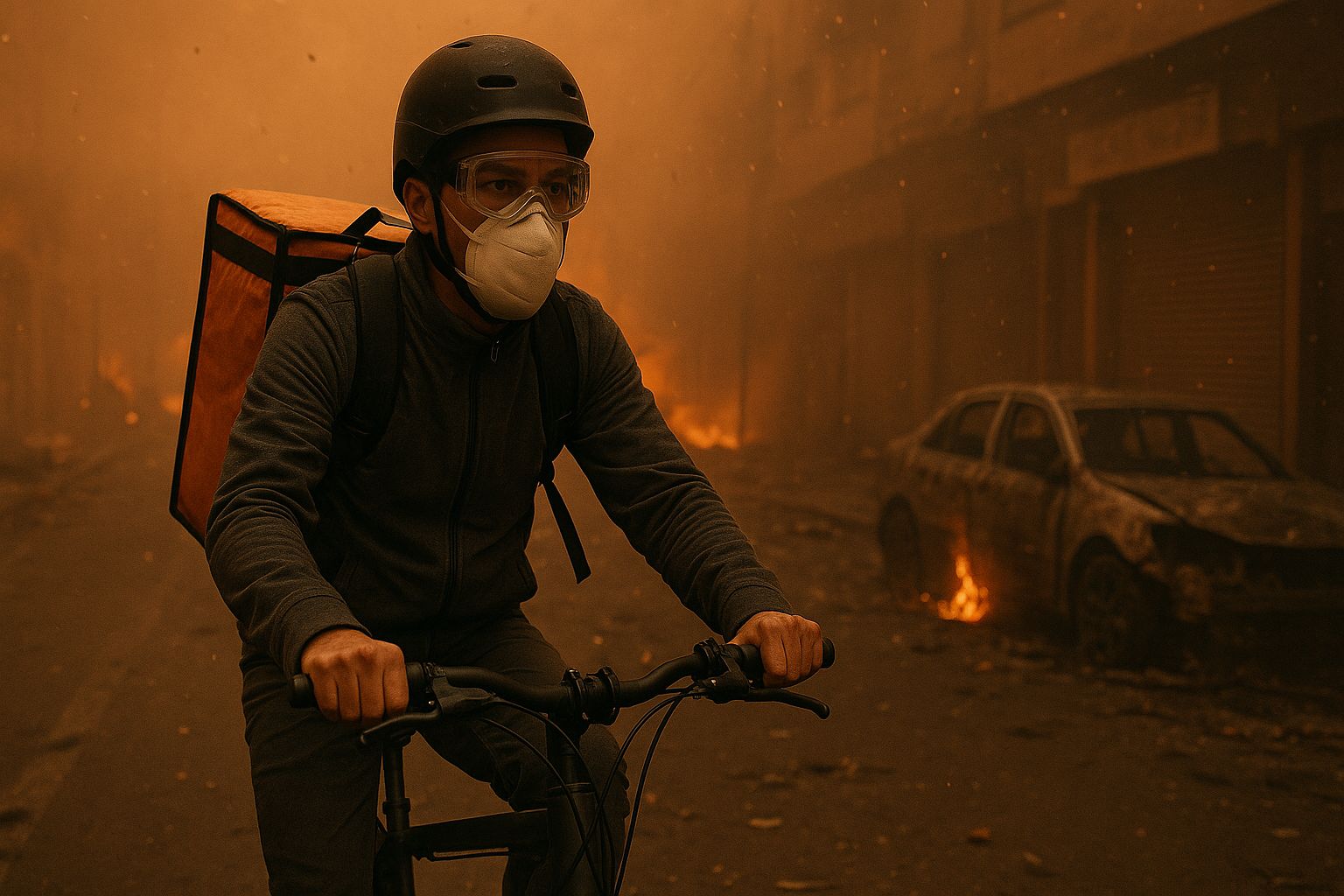
Heatwaves are becoming longer, stronger, and more frequent. For millions of outdoor workers, this means daily exposure to dangerous temperatures that the human body cannot tolerate for long periods. Agricultural laborers, street cleaners, construction workers, delivery riders, and factory workers are among the most vulnerable.
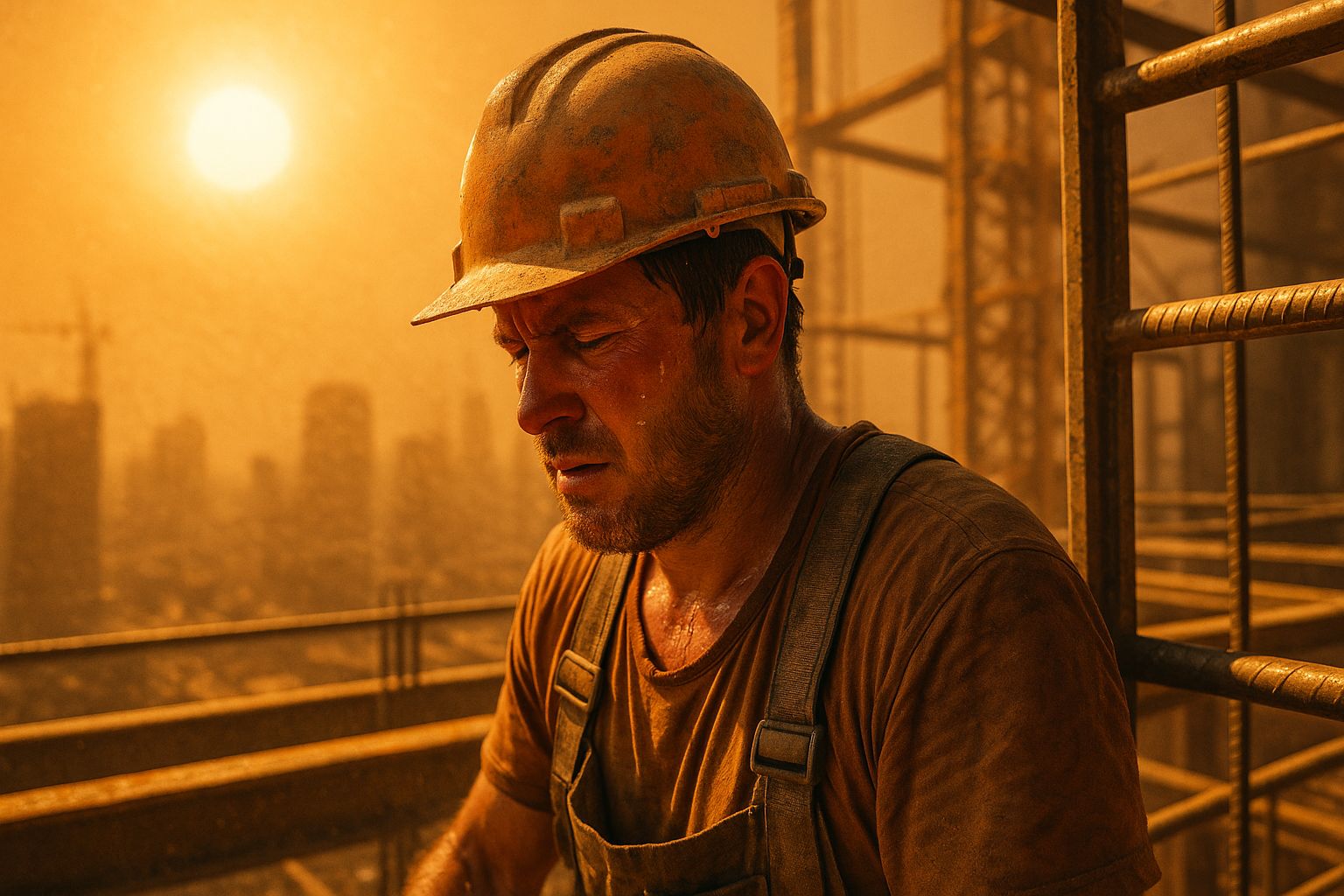
High heat can lead to heat exhaustion, dehydration, kidney complications, and in severe cases even fatal heat stroke. Recent incidents in Europe, Asia, and the Americas show how deadly a hot workday can be. In many countries workers still lack access to shaded rest areas, water breaks, or proper cooling equipment. As climate change pushes global temperatures higher each year, the threat to outdoor workers increases.
Productivity Drops Sharply in Hot Environments
The effects of extreme heat extend beyond health risks. Research shows that worker productivity drops between two and three percent for every degree above twenty degrees Celsius. This decline affects both physical and cognitive performance. Workers tire more quickly, reaction times slow down, concentration becomes difficult, and mistakes become more common.
For industries that rely on physical labor or precision tasks, this loss of productivity can lead to significant financial costs. Entire supply chains can slow down when large segments of the workforce are unable to work safely or effectively in high temperatures.
Mental Health Is Under Serious Strain
Climate change is not only a physical hazard. It is also a growing psychological burden for workers around the world. Studies have found that climate related stress can increase anxiety, irritability, burnout, and emotional exhaustion. Workers in climate exposed sectors such as agriculture, environmental monitoring, waste management, and emergency response often report higher levels of psychological pressure.
Extreme weather events, uncertainty about livelihood stability, and constant exposure to climate stressors all contribute to declining mental health. This has a direct impact on workplace performance, decision making, and overall morale. Mental health support in workplaces is becoming essential as climate stress continues to rise.

Millions of Workers Face Unequal Risks
Climate change does not affect all workers equally. Low income workers, day laborers, migrant workers, and informal sector workers have the highest levels of exposure and the fewest protections. Many lack access to cooling systems, safe work scheduling, or healthcare. In some regions workers must choose between risking their health or losing their income.
Indoor workers are not fully protected either. Factories, warehouses, and poorly ventilated workshops can reach dangerous temperatures during heatwaves. Without proper ventilation or cooling systems, indoor work can become just as hazardous as outdoor labor.
Workplaces Must Adapt to Protect Their Employees
As the climate crisis intensifies, employers must take proactive measures to protect the health and safety of their workforce. This includes implementing extreme heat policies, adjusting work schedules to cooler hours, providing regular hydration breaks, designing heat resistant uniforms, improving ventilation, and temporarily halting work during severe heat events.
Governments and labor organizations are also calling for heat safety regulations and better monitoring tools. With climate impacts accelerating, workplace adaptation is no longer optional. It is a necessary investment in human health, productivity, and long term economic stability.
The Future of Work Depends on Climate Action
More than one billion workers worldwide are already at risk, and this number will continue to rise unless meaningful action is taken. The future of work depends on strong climate mitigation and adaptation strategies that protect both people and economies. As the world becomes hotter and more unpredictable, safeguarding workers must become a global priority.
Climate change is reshaping our workplaces in real time. Recognizing the risks and acting swiftly can help prevent tragedies, protect livelihoods, and ensure that workplaces remain safe for everyone.
Conclusion
Climate change is no longer a slow moving environmental shift. It is an urgent human challenge that is reshaping the global workforce. More than one billion workers now face rising temperatures, extreme weather, and growing mental stress that directly threaten their health and productivity. From outdoor laborers to indoor factory workers, no sector is fully insulated from climate impacts.
The evidence is clear. Without stronger workplace protections, climate adaptation strategies, and meaningful global climate action, the risks to workers will continue to rise. Employers, policymakers, and communities must work together to create safer working environments and provide the support workers need to stay healthy and productive. Protecting workers is not only a moral responsibility. It is essential for the stability of economies and the well being of societies worldwide.
FAQs
Why are more than one billion workers at risk from climate change?
Rising global temperatures, frequent heatwaves, and extreme weather events are exposing workers to dangerous conditions. Over one billion workers operate in outdoor or heat sensitive environments, which makes them highly vulnerable.
Which workers are most affected by extreme heat?
Outdoor workers such as construction laborers, farmers, waste collectors, delivery drivers, and street cleaners face the highest risks. Indoor workers in poorly ventilated factories and warehouses are also affected.
How does extreme heat reduce productivity?
Productivity drops when temperatures exceed twenty degrees Celsius. Workers experience fatigue, slower reaction times, difficulty focusing, and higher rates of errors or accidents.
How does climate change affect mental health in the workplace?
Climate related stress can increase anxiety, burnout, depression, and emotional exhaustion. Workers who regularly experience extreme weather or job uncertainty face higher psychological strain.
What can employers do to protect workers from heat risks?
Employers can provide shaded rest areas, hydration stations, breathable uniforms, adjusted work schedules, proper ventilation, and emergency heat protocols. These measures significantly reduce health risks.
You May Also Like
🌱 Air Pollution Is Killing Our Children: Time to Act in Nepal ⚠️👶
🌱 Are Rising Tariffs Slowing Down the Clean Energy Revolution? ⚡💸
🌱 Airport Pollution Blamed for Lamb Loss: A Farmer's Devastating Story 😢🐑
🌱 How China’s Tourism Industry Is Embracing Renewable Energy to Go Green ✈️🌍
🌱 Extreme Heat is Coming for Our Kids—Will We Act in Time? 🔥⚠️
External Links
Follow Us:
X: https://www.x.com/greenglownews
Youtube: https://www.youtube.com/@greenglownews
Instagram: https://www.instagram.com/greenglownews
Sponsored Links