- Green Glow
- Posts
- 🌱 Why Greenland Is Now Central to Global Climate and Power Politics ❄️🌍
🌱 Why Greenland Is Now Central to Global Climate and Power Politics ❄️🌍
Greenland is emerging as a key geopolitical hotspot as climate change opens Arctic shipping routes, exposes critical resources, and reshapes global power and security dynamics.

Green Glow
January 14, 2026
Greenland has long been viewed as a remote, frozen expanse on the edge of global affairs. That perception is rapidly changing. As climate change reshapes the Arctic, Greenland is emerging as one of the most strategically important regions in the world, sitting at the intersection of environmental transformation, global trade, military strategy, and great-power competition.
What was once considered inaccessible and economically marginal is now becoming central to debates about climate policy, security, and geopolitical influence.
Table of Contents

Climate Change Is Transforming Greenland Faster Than Anywhere Else
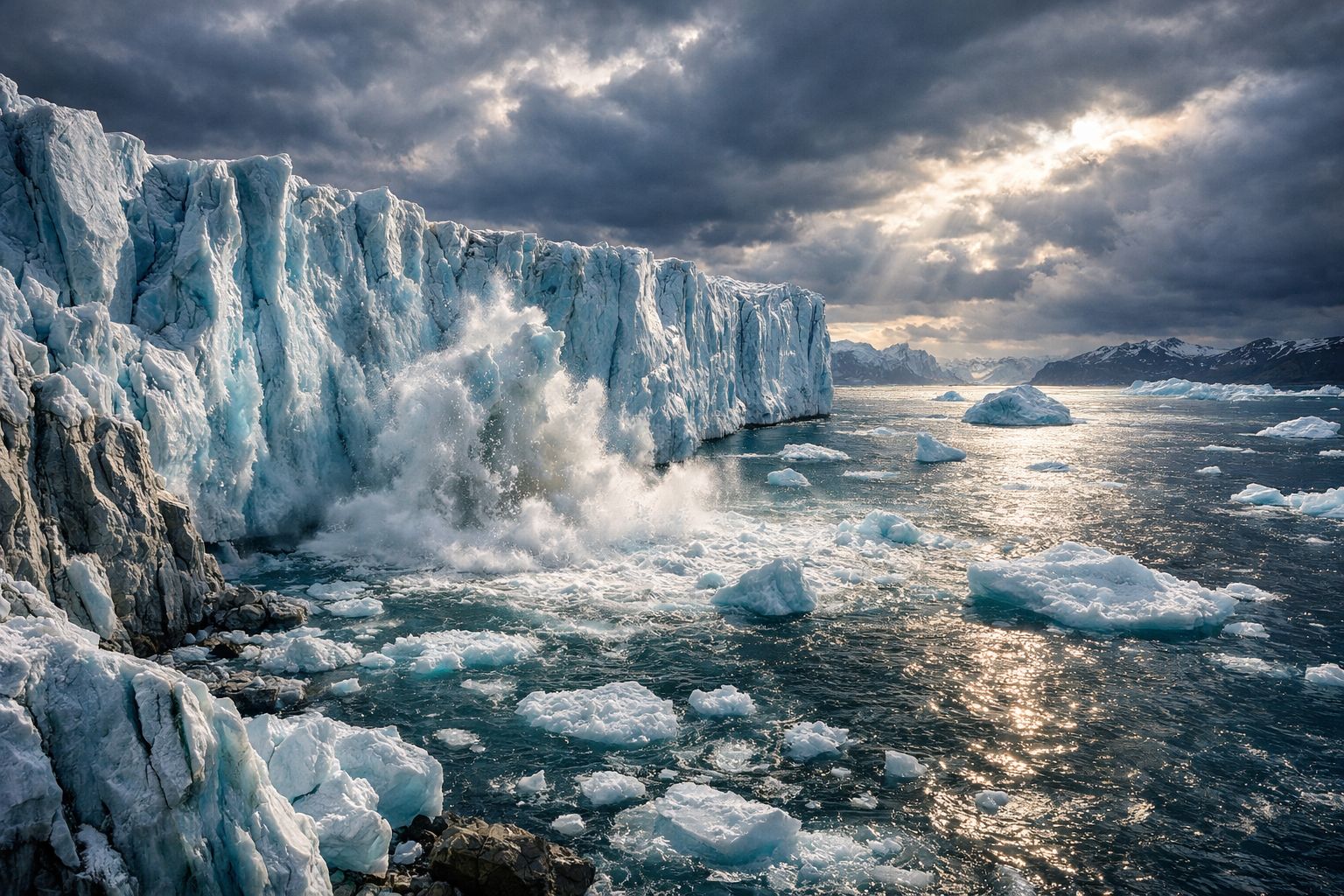
Greenland is warming at more than twice the global average. Rising temperatures have accelerated the melting of its massive ice sheet, which holds enough frozen water to raise global sea levels by several meters if fully melted.
This rapid warming is not only an environmental concern. It is fundamentally altering Greenland’s physical and strategic landscape. Ice loss is exposing new coastlines, reducing year-round ice cover, and changing weather patterns across the Arctic. These shifts are turning Greenland from a static icebound territory into a dynamic region with growing global relevance.
New Shipping Routes Are Reshaping Global Trade
One of the most consequential effects of Arctic warming is the gradual opening of new shipping routes. As sea ice retreats, vessels are increasingly able to navigate Arctic waters for longer periods of the year.
Routes passing near Greenland can significantly shorten travel times between North America, Europe, and Asia. Shorter routes mean lower fuel costs, faster delivery, and reduced dependence on traditional chokepoints such as the Suez Canal or Panama Canal.
For global trade powers, this transformation elevates Greenland’s surrounding waters from peripheral seas into future commercial corridors.
Greenland’s Strategic Location Matters More Than Ever
Geography has always mattered in geopolitics, and Greenland occupies a uniquely valuable position. It sits between North America and Europe, directly along critical Arctic and North Atlantic transit routes.
This location makes Greenland essential for early warning systems, missile defense, satellite tracking, and air and naval operations in the Arctic. The United States already maintains military infrastructure there, reflecting its long-standing defense interest in the island.
As competition intensifies among major powers, control and influence in Arctic regions like Greenland become increasingly important for national security planning.
Natural Resources Add to Greenland’s Growing Importance
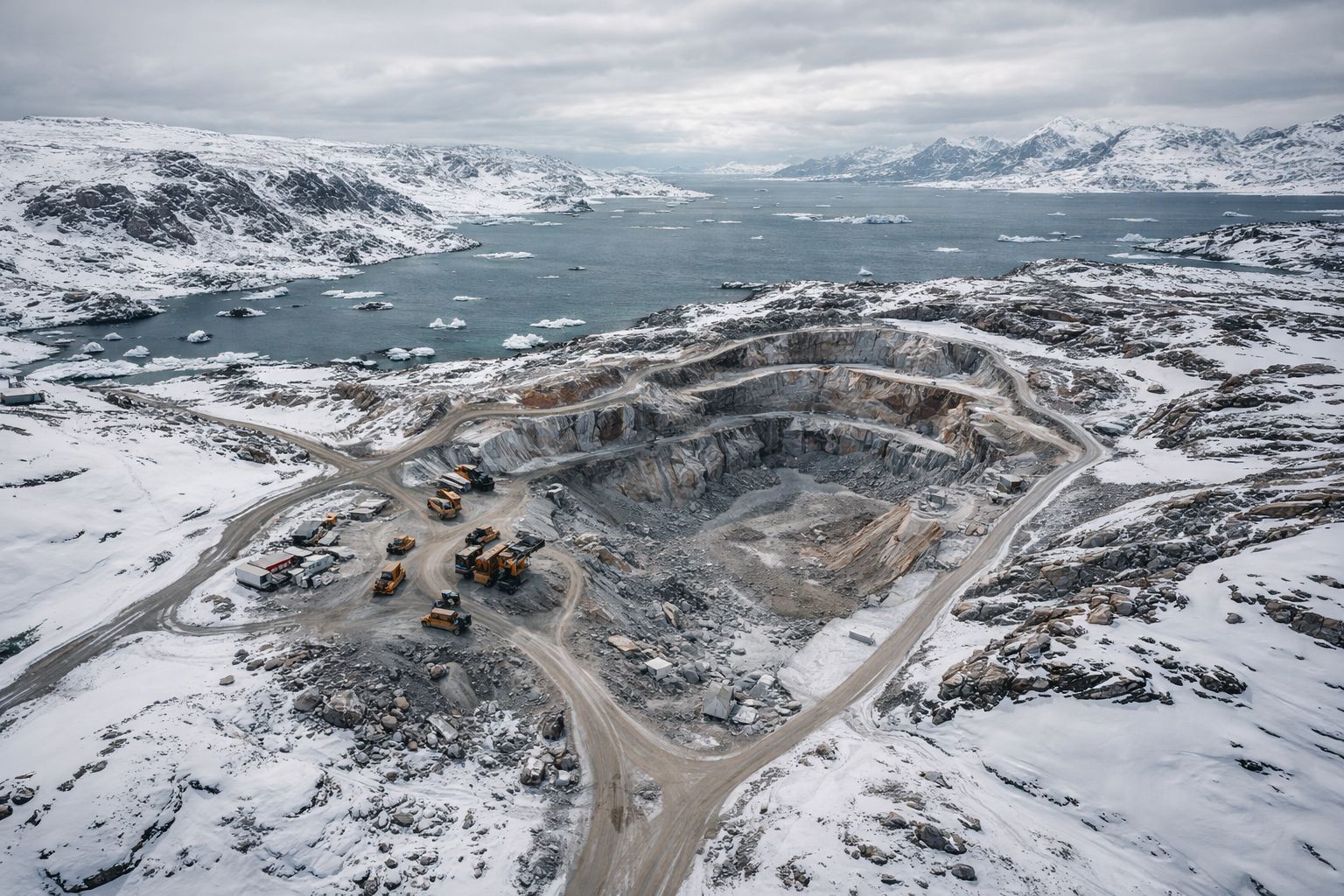
Beneath Greenland’s ice and newly exposed land lie significant deposits of rare earth minerals and other critical resources. These materials are essential for modern technologies, including renewable energy systems, electric vehicles, electronics, and advanced military equipment.
Access to these resources has become a strategic priority for countries seeking to reduce reliance on supply chains dominated by geopolitical rivals. Climate change is making extraction more feasible, bringing economic opportunity but also political tension.
Greenland now sits at the center of debates over resource security and technological independence.
Trump’s Interest Reflects a Broader Power Shift
The renewed focus on Greenland under President Donald Trump did not arise in isolation. His administration openly framed Greenland as a strategic asset, tying its importance to national security, global competition, and Arctic dominance.
At the same time, the United States moved to withdraw from key climate institutions, including the United Nations Framework Convention on Climate Change. This juxtaposition highlights a paradox at the heart of modern geopolitics. Climate change is increasing Greenland’s strategic value even as global cooperation on climate policy weakens.
The result is a world where environmental transformation drives geopolitical rivalry rather than collective action.
Tensions With Allies and Local Voices
Greenland is an autonomous territory within the Kingdom of Denmark, and both Danish and Greenlandic leaders have firmly rejected any notion of foreign ownership or coercive control. They have emphasized self-determination, international law, and cooperation through existing alliances.
At the same time, Greenland’s population faces complex choices. Climate change brings economic opportunities through shipping and mining, but it also threatens traditional livelihoods, ecosystems, and cultural identity.
This tension between opportunity and risk underscores why Greenland’s future cannot be separated from global climate and power politics.
Conclusion
Greenland has become a symbol of a broader global reality. Climate change is no longer only an environmental issue. It is a force that reshapes borders, trade routes, military strategy, and international relations.
As ice melts, power dynamics shift. As cooperation frays, competition intensifies. Greenland stands at the center of this transformation, illustrating how a warming planet is rewriting the rules of global politics.
The decisions made about Greenland in the coming years will reflect how the world chooses to navigate the intersection of climate change and geopolitical power in the twenty-first century.
FAQs
Why is Greenland becoming more important globally?
Greenland is becoming more important because climate change is melting Arctic ice, opening new shipping routes, exposing valuable natural resources, and increasing the island’s strategic military significance between North America and Europe.
How is climate change affecting Greenland?
Greenland is warming much faster than the global average. Rising temperatures are shrinking its ice sheet, altering ecosystems, and making previously inaccessible areas available for shipping, infrastructure, and resource extraction.
Why does Greenland matter for global trade?
Melting Arctic ice is allowing ships to travel through northern routes for longer periods each year. Routes near Greenland can shorten travel distances between major global markets, reducing costs and dependence on traditional trade chokepoints.
What role does Greenland play in global security?
Greenland’s location makes it vital for military surveillance, missile defense, and Arctic operations. As global powers compete for influence in the Arctic, Greenland’s strategic position has gained renewed importance.
Why did the Trump administration show interest in Greenland?
The Trump administration viewed Greenland as a strategic asset tied to national security, Arctic dominance, and global competition. Climate-driven changes made the island more valuable from a geopolitical and military perspective.
You May Also Like
External Links
Going beyond AQI: study shows why toxicity matters in measuring air pollution
Hoosiers call for tighter pollution control for BP's Lake Michigan refinery permit
Pollution From the Tijuana River Affects Air Quality in San Diego
Dieselgate pollution killed 16,000 people in UK, study estimates
Pollution from the Tijuana River is ending up in the air near the border, study finds
Follow Us:
X: https://www.x.com/greenglownews
Youtube: https://www.youtube.com/@greenglownews
Instagram: https://www.instagram.com/greenglownews
Sponsored Links