- Green Glow
- Posts
- 🌱 Why China Wants Renewable Energy to Power More Than Just the Grid 🔋🌞
🌱 Why China Wants Renewable Energy to Power More Than Just the Grid 🔋🌞
China is entering a new phase of its clean energy transition by pushing renewable power beyond the electricity grid. This strategy aims to use solar and wind for industrial heating, hydrogen, ammonia, methanol and sustainable aviation fuel, reducing fossil fuel dependence while improving energy security and industrial competitiveness.

Green Glow
November 30, 2025
China has already become the world leader in installing solar and wind power, transforming its electricity sector at a speed unmatched by any other country. But now the country is pursuing an even more ambitious goal. China wants renewable energy to expand far beyond power generation and become a foundation for its industrial sector, shipping and aviation fuel, heating, chemical production and more. This next phase signals a major evolution in the global clean energy transition.
Table of Contents

Moving Past Electricity as the Only Destination for Renewables
For many years, renewable energy development in China focused on replacing coal in the power sector. Gigantic solar farms covered deserts and wind turbines dominated the landscapes of coastal provinces. However, electricity is only one part of the energy system. Industrial facilities, transportation and building heating still rely heavily on fossil fuels and collectively account for a majority of China’s total emissions.
To reach long term climate goals, China now plans to integrate renewables into these sectors by using clean electricity to create fuels and industrial heat that replace coal, oil and natural gas.
Green Hydrogen and Derived Fuels Lead the Strategy
The National Energy Administration has encouraged provincial governments and power producers to develop supply chains for several renewable based industrial fuels. The list includes green hydrogen, green ammonia, green methanol and sustainable aviation fuel. These fuels can be used in steel manufacturing, chemical production, marine shipping and aviation, where direct electricity use is difficult or insufficient.
Offshore wind and large scale solar are seen as major sources of power for electrolysers that split water to produce hydrogen. Turning surplus renewable power into hydrogen and chemical fuels helps reduce wastage and provides clean energy that can be stored and transported.
Solving the Curtailment Challenge
China generates so much renewable energy that at times the grid cannot accept all of it. This forced shutdown of wind and solar output is known as curtailment. Provinces with high levels of renewable capacity have already experienced curtailment episodes and the number is expected to grow as installations increase.
Instead of wasting surplus energy, China plans to reroute this electricity to industrial facilities and hydrogen production hubs. This approach increases the value of renewable power while reducing dependence on fossil fuels in hard to decarbonize sectors.
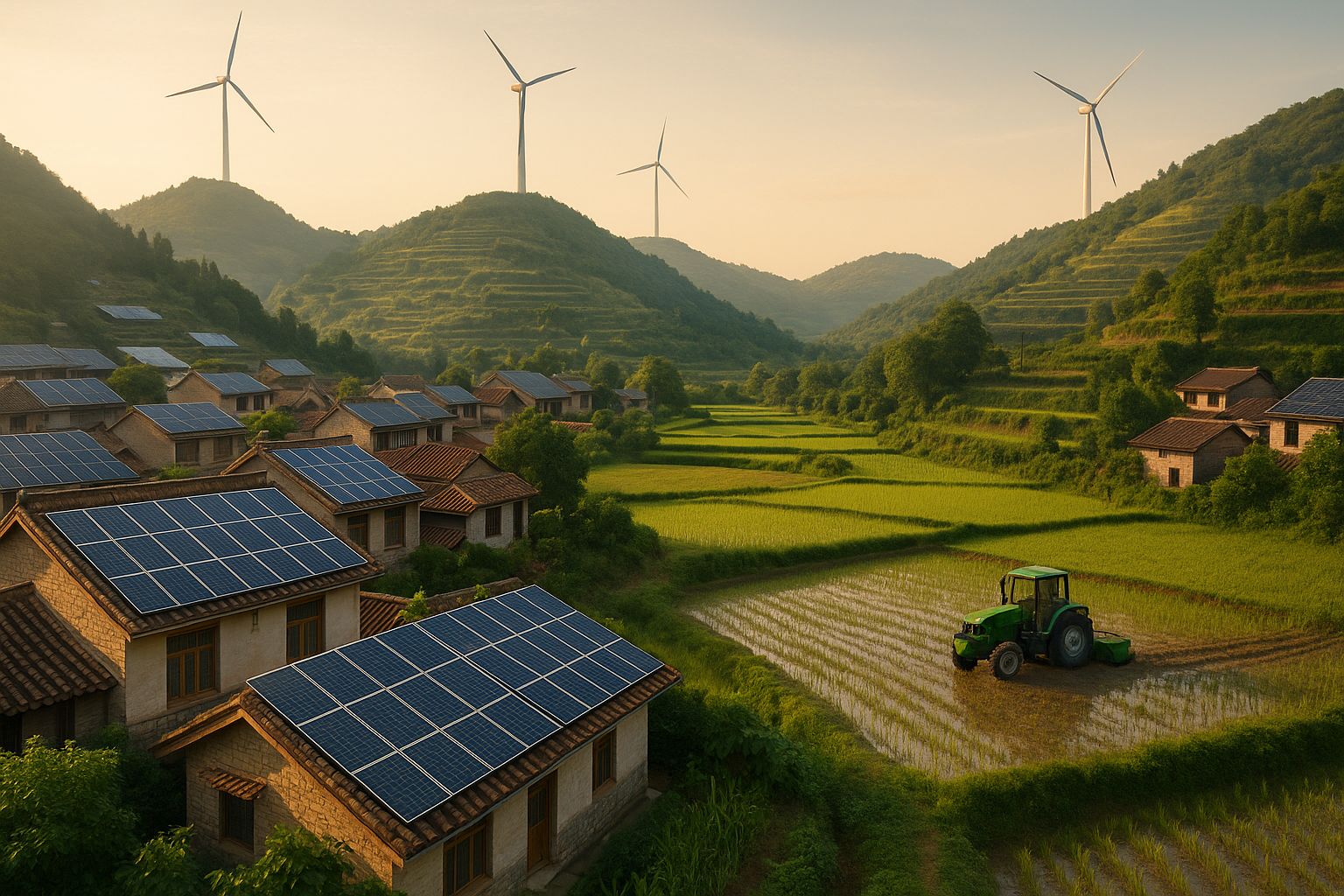
Expanding Clean Energy for Industrial Heating
Industrial heating is one of the biggest energy consumers in China and has traditionally relied on coal. The new strategy encourages renewable powered heating systems and electrified heat solutions in industrial parks. Replacing coal based boilers with renewable energy powered heating can significantly reduce emissions.
The shift in industrial heating is an important milestone because it contributes directly to both economic modernization and climate progress.
Economic and Strategic Motivations
China’s shift has climate benefits, but it is also driven by economic and strategic reasons. Building supply chains for green hydrogen, ammonia and aviation fuels supports domestic manufacturing, reduces dependence on imported fossil fuels and strengthens China’s global position in emerging clean energy markets. The transition can also create new jobs in electrolyser production, fuel storage, offshore wind integration and green industrial innovation.
Expanding renewables beyond electricity aligns with China’s vision of gaining competitive advantages in future energy industries.
Global Effects of China’s New Energy Direction
As the world’s largest energy consumer and emitter, China’s decisions significantly influence global markets. If China rapidly scales green hydrogen and renewable powered industrial systems, demand for coal, liquefied natural gas and crude oil could decrease over time. At the same time, investment in green ammonia, clean aviation fuel and hydrogen shipping may accelerate worldwide.
China’s transition will shape international competition, trade dynamics and technology diffusion in the clean energy sector.
Conclusion
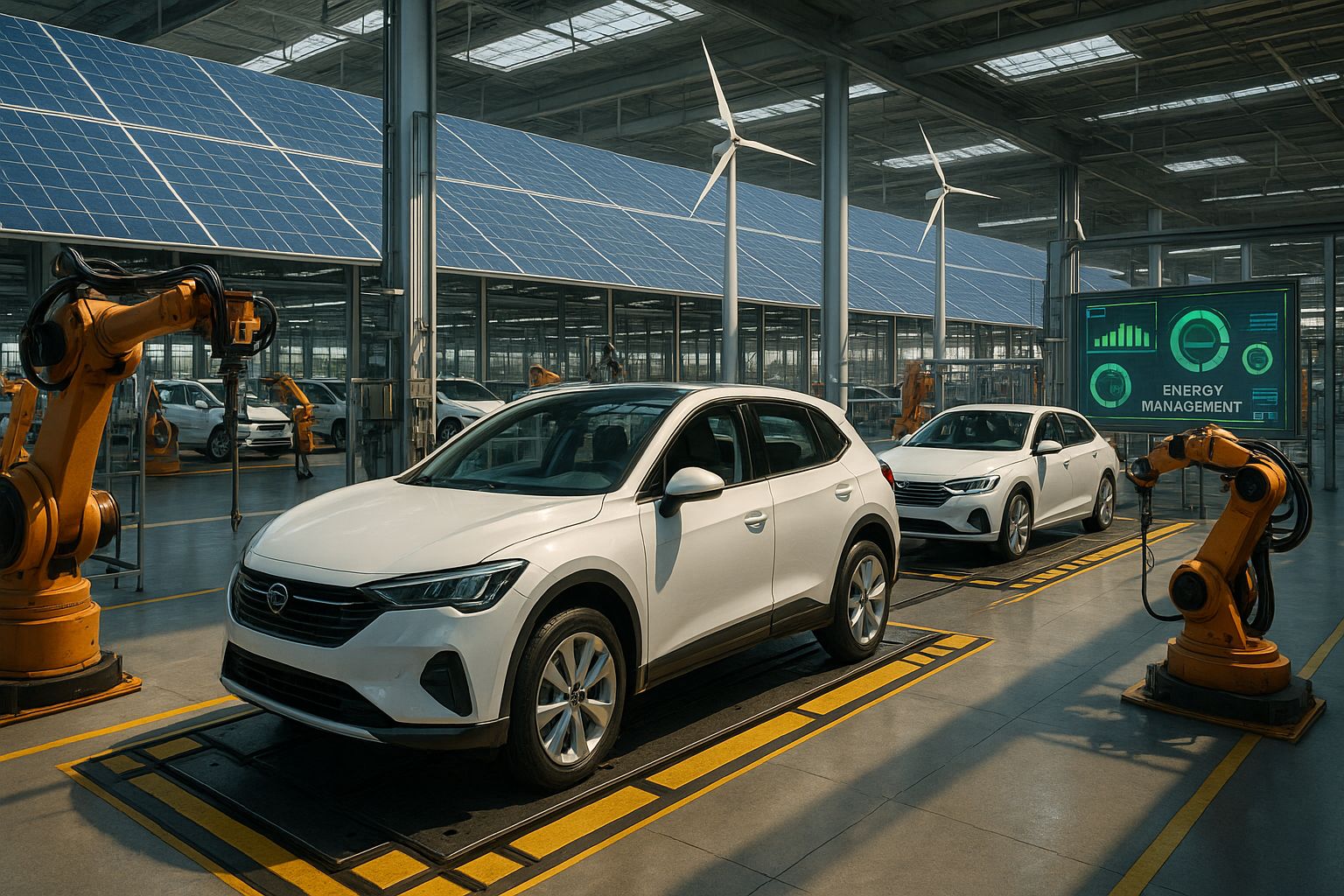
China is signaling a new phase of renewable energy deployment. Instead of limiting solar and wind to electricity generation, the country aims to use renewables across the entire energy system. This includes industrial heat, shipping and aviation fuels, chemical feedstocks and hydrogen production. The strategy addresses surplus renewable power while accelerating decarbonization and strengthening industrial competitiveness.
If China succeeds, the global energy landscape will be reshaped. Renewables will no longer be seen only as a power source but as a full spectrum solution for industrial growth and climate progress.
FAQs
Why is China expanding renewable energy beyond the electricity grid?
China wants renewable energy to power sectors that currently rely on fossil fuels, such as industrial heating, aviation, shipping and chemical production. This approach reduces emissions while improving energy security and industrial competitiveness.
What are green hydrogen, ammonia and methanol, and why are they important?
Green hydrogen, ammonia and methanol are fuels and chemical feedstocks produced using renewable electricity. They are important because they can replace fossil fuels in industries and transport sectors where direct electrification is difficult.
How will this strategy help with renewable curtailment?
China sometimes generates more solar and wind power than the grid can use. By directing surplus electricity to hydrogen production and industrial energy systems, curtailment is reduced and renewable power becomes more valuable.
Which provinces are most involved in this renewable expansion?
Coastal provinces with abundant offshore wind resources are expected to lead the development. Regions with large solar farms are also likely to become hydrogen production hubs.
Will this shift reduce China’s use of fossil fuels?
Over time, yes. As renewables replace coal for industrial heating and substitute oil and gas in aviation, shipping and chemicals, fossil fuel demand is expected to decline gradually. The pace will depend on infrastructure investment and global market conditions.
You May Also Like
🌱 16 Game-Changing Actions Cities Can Take to Combat Climate Change 🌆♻️
🌱 Trump Pressures Senate to Slash Wind and Solar Tax Credits ⚖️☀️
🌱 Pollution vs. Education: The Silent Crisis in America’s Gas-Producing Regions ⚠️📚
🌱 Solar Tsunami: China Installs 100 Panels Every Second in May 2025 ⚡🌞
🌱 How China Became the Undisputed Leader in Green Energy Investment 🔋🌿
External Links
Follow Us:
X: https://www.x.com/greenglownews
Youtube: https://www.youtube.com/@greenglownews
Instagram: https://www.instagram.com/greenglownews
Sponsored Links