- Green Glow
- Posts
- 🌱 Why China’s Renewable Energy Expansion Matters for Global Climate Goals 🌍⚡
🌱 Why China’s Renewable Energy Expansion Matters for Global Climate Goals 🌍⚡
Discover why China’s massive renewable energy expansion is crucial for global climate goals. Learn how China’s rapid growth in solar and wind capacity lowers global emissions, influences technology costs, and shapes the future of clean energy worldwide.

Green Glow
December 05, 2025
China is currently leading the world in renewable energy deployment, and the scale of its expansion is reshaping the global energy landscape. As the largest emitter of greenhouse gases and the largest investor in clean energy, China sits at the center of global climate strategy. The rapid growth in its wind and solar capacity has major implications for global emissions, technology development, international markets, and the pace of the clean energy transition worldwide.
This article explores why China’s renewable energy surge is so important for achieving global climate goals, what progress has been made, and what challenges still remain.
Table of Contents

China Is Building the World’s Largest Green Power System
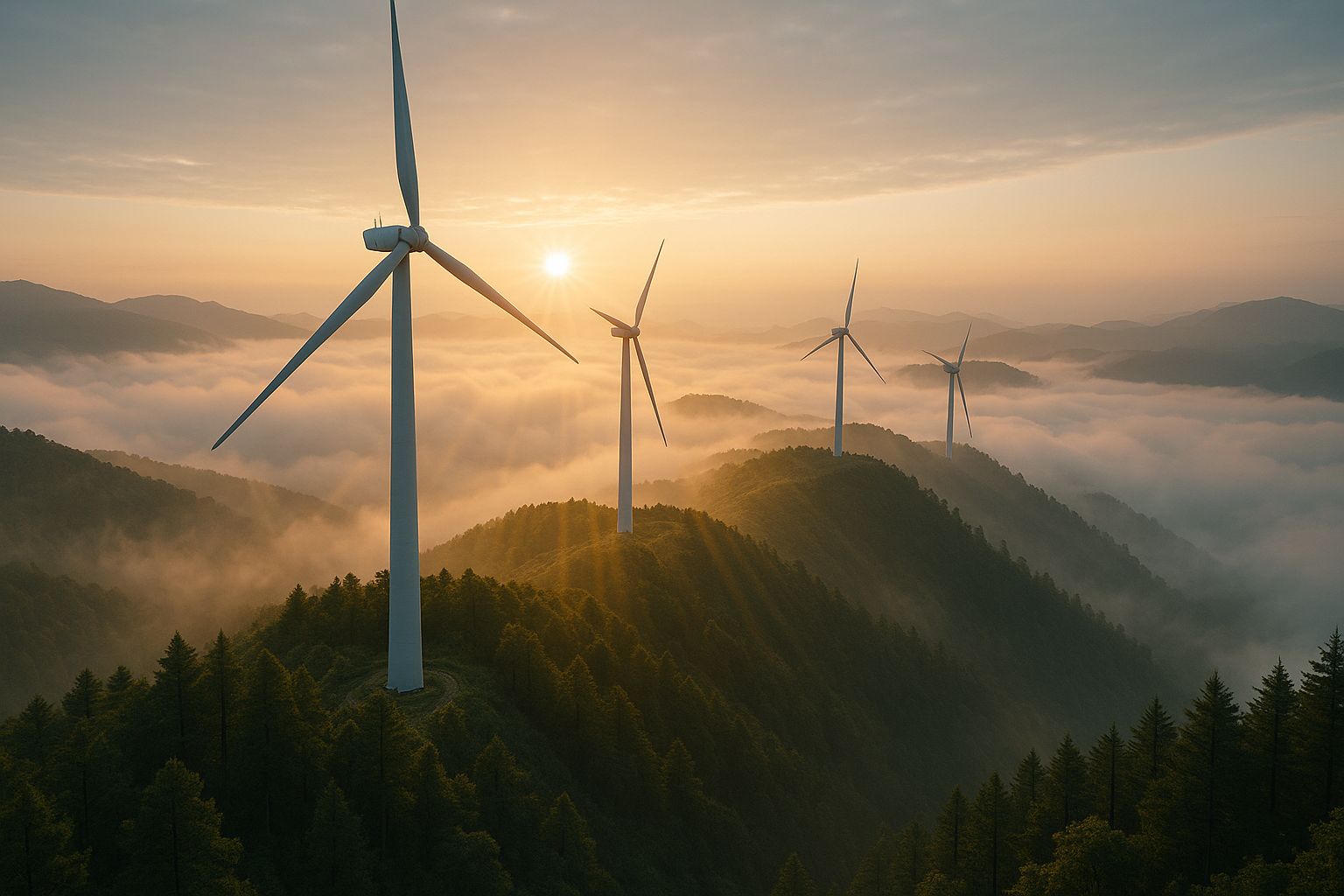
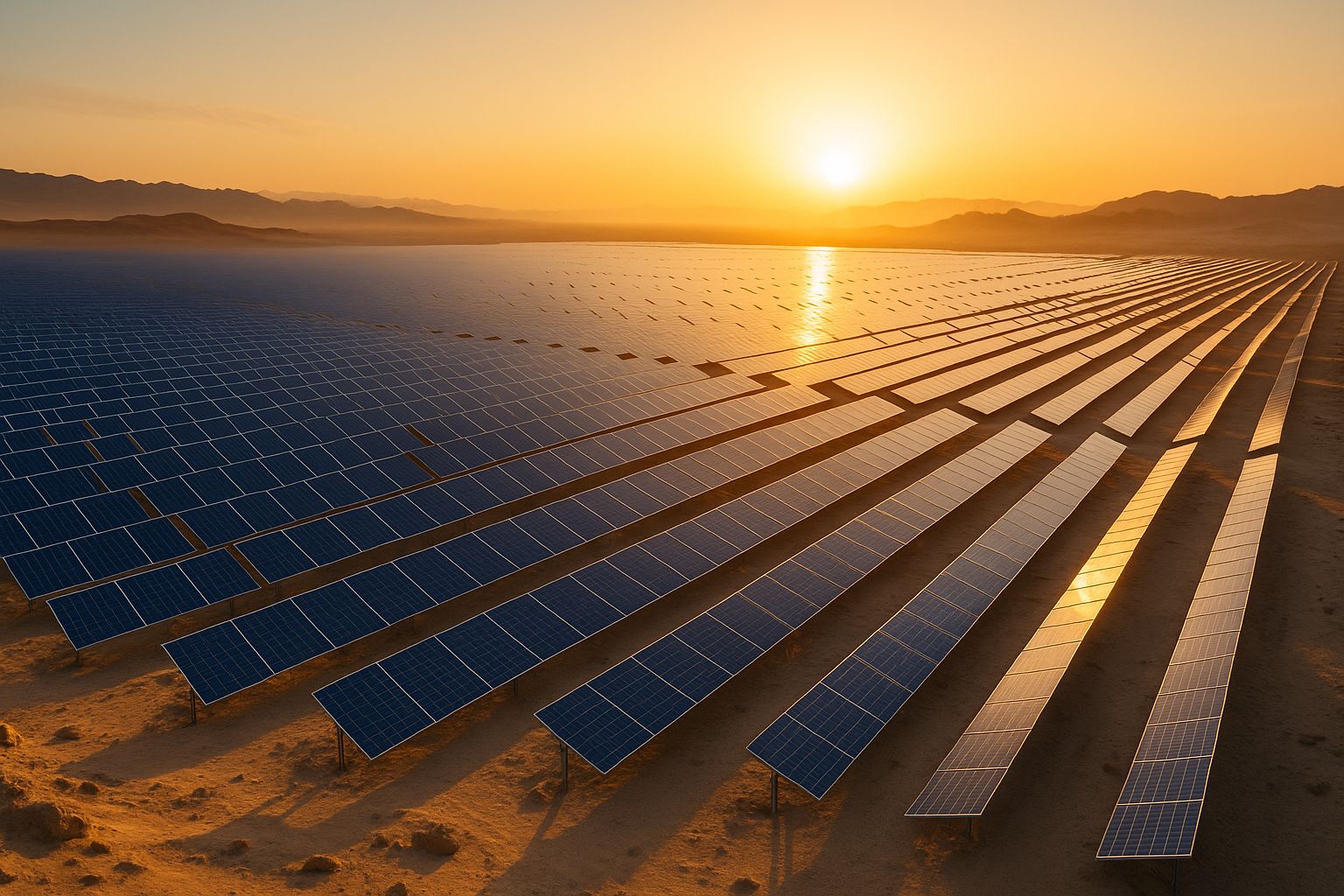
China added a historic amount of renewable energy capacity in the past year. Wind and solar installations reached record levels, lifting total renewable capacity to about 1.4 terawatts. This is roughly one third of all renewable power capacity worldwide. The country installed about 360 gigawatts of new solar and wind in a single year, which is more than the combined total of every other country.
This massive scale of deployment is helping China accelerate its shift away from fossil fuels and is creating global momentum for clean energy adoption. The world is watching because the speed at which China transitions can significantly influence the global trajectory of emissions.
A Faster Transition in China Helps Lower Global Emissions
China is responsible for almost one third of global carbon dioxide emissions. This means that a rapid shift toward renewable energy in China has a greater impact on global emissions than similar progress in any other country. Every gigawatt of renewable power China installs reduces the need for coal-fired electricity, which remains the largest single source of carbon emissions on the planet.
If China continues to scale solar and wind capacity at current levels, global emissions could peak earlier. This would create a better chance of limiting global warming to 1.5 degrees Celsius. China’s progress is therefore not only a national priority but also a global necessity.
China’s Renewables Boom Reduces Global Technology Costs
China is the world’s largest manufacturer of solar panels, batteries, and electric grid components. As China expands its renewable energy industry, global prices of clean technologies continue to fall. This makes it easier for developing and emerging economies to adopt solar, wind, and energy storage solutions.
Lower technology costs also help accelerate global financial investment in clean energy. Cheaper solar modules, more affordable batteries, and improved supply chains give countries worldwide access to high quality, low cost renewable solutions that were once too expensive.
China’s Grid Transformation Drives Innovation Worldwide
Building large amounts of renewable capacity is one task. Integrating it into a stable power grid is another. China’s energy transition is pushing forward new technologies and practices that are becoming global standards. These include:
Ultra high voltage transmission lines that move renewable energy across long distances
AI powered forecasting and grid management systems
Large scale battery storage installations
Flexible coal and gas plants that adjust output quickly
Virtual power plants and smart demand response systems
These technologies are essential for creating reliable, low carbon power systems. As China develops and deploys them, other countries can learn from its experience and adopt similar approaches.
China’s Clean Energy Push Shapes Global Energy Markets
China’s renewable energy growth is influencing global markets in several ways.
First, demand for fossil fuels is beginning to shift. As China uses more solar and wind, its long term reliance on imported oil, gas, and coal may decline. This could alter global energy trade patterns.
Second, China is becoming a major exporter of renewable technologies. This strengthens international cooperation on clean energy and improves global access to low carbon solutions.
Third, China’s choices influence international climate negotiations. When the world’s largest emitter demonstrates rapid renewable growth, it raises expectations for other major economies to accelerate their own transitions.
Challenges Remain for China and the Global Climate Effort
China’s renewable expansion is historic, but several challenges must be addressed to sustain momentum.
Grid stability issues still occur when renewable output fluctuates
Some renewable power is wasted due to transmission bottlenecks
Flexible capacity and storage must grow more quickly
Regional energy markets need stronger cooperation
Coal still accounts for a large share of China’s electricity supply
Overcoming these challenges will be crucial for China and for global climate efforts. If China solves them successfully, it can provide a model for countries facing similar challenges.
Why This Matters for the World
China’s success in transitioning to renewable energy has the potential to shift the global climate pathway. The world cannot reach its climate targets unless China reduces emissions quickly. The more China invests in renewables, the faster the global energy system can move away from fossil fuels.
China’s progress also influences global policy, market behavior, and technology development. The choices China makes in the next decade will shape the direction of the global clean energy transition, from technology availability to international cooperation.
Conclusion
China’s renewable energy expansion represents one of the most significant developments in the global climate effort. The scale of its deployment, the speed of its technological progress, and the transformative effect on global markets make China’s clean energy shift essential for meeting climate goals.
If China continues to invest heavily in renewables and modernize its grid, the world will be much closer to achieving a stable and sustainable climate future. The path to global net zero is deeply connected to the pace and success of China’s renewable energy transformation.
FAQs
Why is China’s renewable energy expansion important for global climate goals?
China is the largest emitter of carbon dioxide and the largest builder of renewable energy. Rapid growth in solar and wind energy in China reduces global emissions, lowers clean technology costs, and accelerates the worldwide transition to low carbon power systems. China’s progress has a larger impact on the global climate than any other country.
How much renewable energy has China installed so far?
China has installed about 1.4 terawatts of renewable power capacity. This includes record levels of solar and wind installations, with roughly 360 gigawatts added in a single year. China now accounts for about one third of the world’s total renewable energy capacity.
How does China’s renewable growth affect global clean technology prices?
China is the world’s biggest producer of solar panels, batteries, and renewable infrastructure. As production scales up, global prices fall. This makes renewables more affordable for developing countries and speeds up clean energy adoption worldwide.
What technologies is China using to support its renewable energy grid?
China is deploying advanced technologies such as ultra high voltage transmission lines, large scale battery storage, AI based grid forecasting, virtual power plants, and flexible power generation. These innovations help integrate massive amounts of renewable energy while keeping the grid stable.
What challenges does China still face in its renewable expansion?
Key challenges include improving grid flexibility, reducing renewable curtailment, expanding energy storage, modernizing transmission networks, and reducing dependence on coal. Overcoming these obstacles is essential for meeting both national and global climate targets.
You May Also Like
External Links
Follow Us:
X: https://www.x.com/greenglownews
Youtube: https://www.youtube.com/@greenglownews
Instagram: https://www.instagram.com/greenglownews
Sponsored Links