- Green Glow
- Posts
- 🌱 Trump Removes “Renewable” from U.S. Energy Lab Title: What It Means for America’s Clean Energy Future 🔋❌
🌱 Trump Removes “Renewable” from U.S. Energy Lab Title: What It Means for America’s Clean Energy Future 🔋❌
Trump has removed “renewable” from the National Renewable Energy Laboratory’s name, renaming it the National Laboratory of the Rockies. Discover what this controversial decision means for U.S. clean energy research, scientists’ concerns, and the future of American energy policy.

Green Glow
December 03, 2025
A major shift in United States energy policy has taken place with the removal of the word “renewable” from the name of the National Renewable Energy Laboratory. The lab, long known as NREL, now carries the new name National Laboratory of the Rockies. This decision, announced by the Department of Energy, signals a broader change in the federal government’s direction on energy research and priorities.
Table of Contents

Background of the National Renewable Energy Laboratory
The National Renewable Energy Laboratory has been a cornerstone of American renewable energy innovation for decades. Originally created during the oil crises of the 1970s, the lab has played a key role in advancing solar power, wind energy, efficient building technologies, energy storage systems, and other clean energy breakthroughs.
Over the years, NREL has become a global leader in low carbon research and a vital partner for industry, universities, and governments seeking to accelerate the transition to cleaner energy systems.
The Renaming Decision
The Department of Energy announced that the lab would be renamed to “National Laboratory of the Rockies.” According to the DOE, this new name better reflects a broader focus on applied energy research rather than a narrow emphasis on renewable technologies.
Federal officials stated that the change aligns with the administration’s vision for a more diversified energy portfolio that includes fossil fuels, nuclear technologies, and other forms of power generation.
A Symbolic Shift Away From Clean Energy
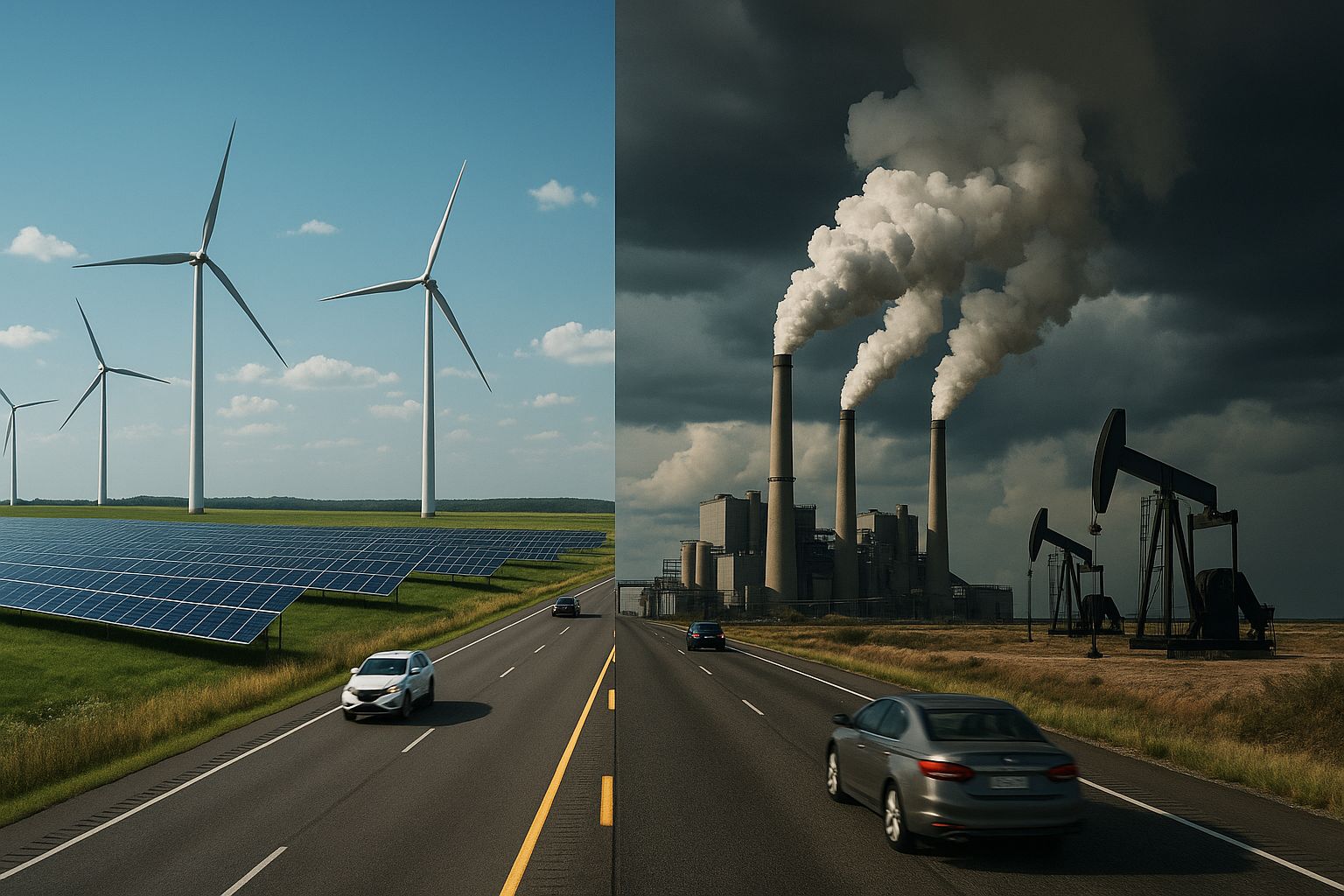
Despite the official explanation, the name change has raised widespread concerns among scientists, environmental groups, and renewable energy advocates. Removing “renewable” from the title sends a powerful symbolic signal that the federal government is stepping back from its long standing support for clean energy development.
For many experts, the decision marks a retreat from decades of investment and leadership in renewable technologies. Critics warn that it could slow the United States progress in the global shift toward green energy.
Impact on Federal Energy Research
The renaming alone does not immediately change research programs or staff, but it may influence future funding, research direction, and policy decisions. A broader research mandate could redirect resources toward fossil fuel technologies or away from climate focused innovation.
Energy companies, state governments, and international partners rely on NREL research for advanced solar and wind modeling, grid integration, efficiency standards, and storage innovations. Any weakening of the lab’s clean energy mission could disrupt long term plans across these sectors.
Reaction from Scientists and Policy Experts
Scientists closely connected to the lab have expressed disappointment and concern. Many believe the move undermines decades of progress and shifts the nation’s attention away from urgent climate challenges.
Environmental policy analysts argue that the renaming is part of a larger pattern of decisions that favor fossil fuel production and restrict renewable energy development on federal lands and offshore areas.
What This Means for the United States Energy Future
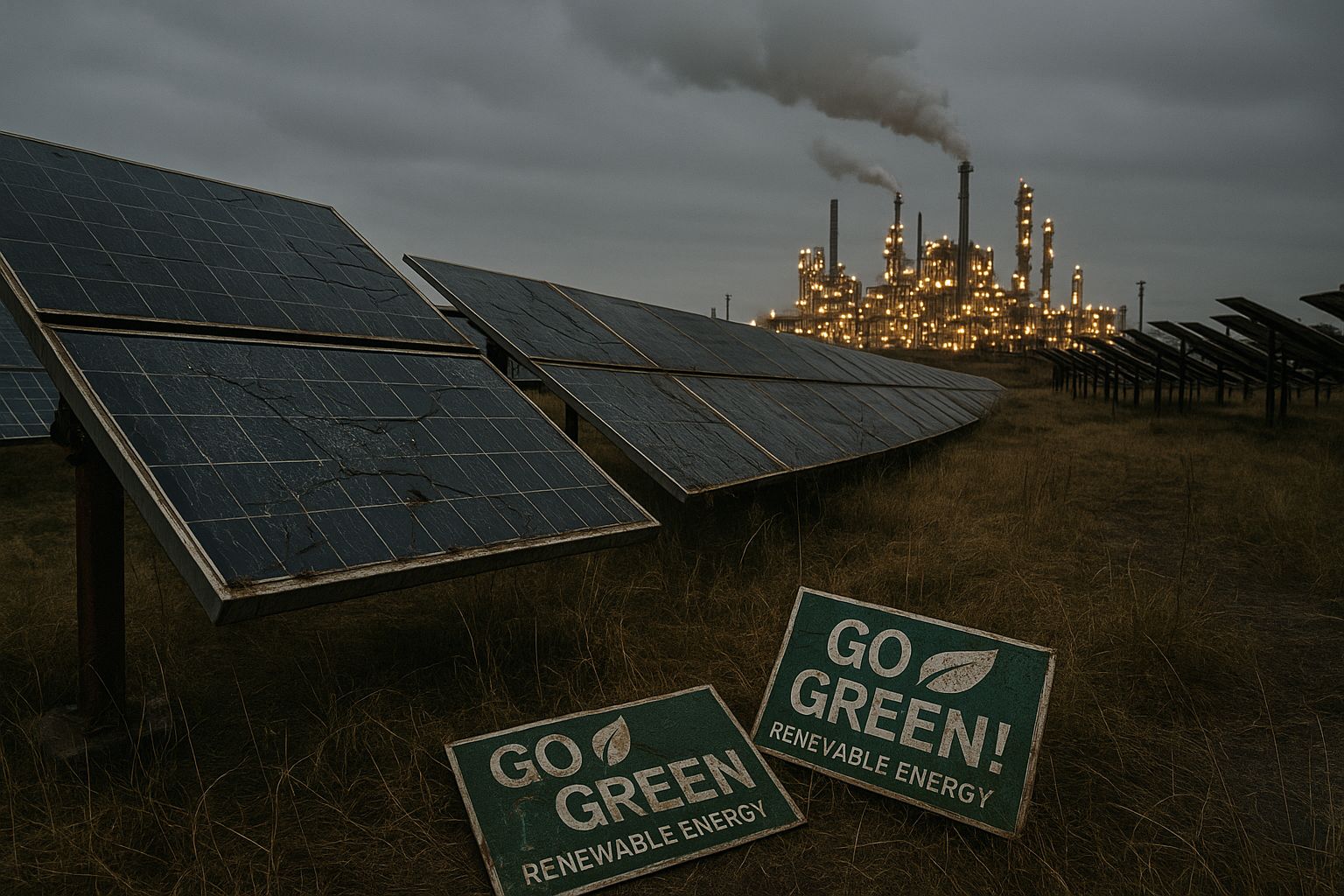
The renaming of NREL is more than a branding change. It represents a shift in national priorities. At a time when global energy markets are accelerating toward renewables, a step back could leave the United States less competitive.
Energy experts emphasize that innovation in solar, wind, hydrogen, battery technologies, and grid modernization remains essential for economic growth and environmental resilience. How the government shapes the future research agenda of the newly named National Laboratory of the Rockies will influence the country’s long term energy stability.
Conclusion
The removal of “renewable” from the title of the United States primary clean energy laboratory marks a turning point in national energy policy. While the Department of Energy claims the change reflects a broader research vision, many view it as a setback for renewable energy advancement. As global leaders continue to invest heavily in clean technologies, America’s path will depend on whether it maintains its commitment to innovation or shifts its focus elsewhere.
FAQs
What was the National Renewable Energy Laboratory renamed to?
The National Renewable Energy Laboratory was renamed to the National Laboratory of the Rockies by the U.S. Department of Energy. The new name removes the word “renewable,” which has sparked controversy among scientists and clean energy advocates.
Why did the U.S. government change the name of the lab?
According to the Department of Energy, the name was changed to reflect a broader focus on “applied energy research,” which may include nuclear technologies, fossil fuels, and other forms of energy beyond renewables.
Does the renaming affect ongoing renewable energy research?
Existing projects remain in place for now, but experts worry that future funding may shift away from renewable energy programs. The renaming suggests a potential pivot in federal research priorities.
How have scientists responded to the renaming?
Many scientists and environmental groups have criticized the decision. They argue that removing “renewable” signals a political shift that undermines decades of progress in clean energy innovation.
What impact could this decision have on the U.S. clean energy industry?
The change may create uncertainty about long term investments and research partnerships. Companies and states that rely on NREL research for advances in solar, wind, and storage technologies could be affected if federal support weakens.
Is this part of a larger shift in U.S. energy policy?
Yes. Critics note that the renaming aligns with other actions that favor fossil fuel development and reduce emphasis on climate focused energy programs.
You May Also Like
External Links
Follow Us:
X: https://www.x.com/greenglownews
Youtube: https://www.youtube.com/@greenglownews
Instagram: https://www.instagram.com/greenglownews
Sponsored Links