- Green Glow
- Posts
- 🌱 Trump Pulls the US Out of International Renewable Energy and Climate Organizations 🚨🌍
🌱 Trump Pulls the US Out of International Renewable Energy and Climate Organizations 🚨🌍
The US has withdrawn from major international renewable energy and climate organizations under President Trump. Learn what the decision means for global climate cooperation, clean energy markets, and US leadership.

Green Glow
January 09, 2026
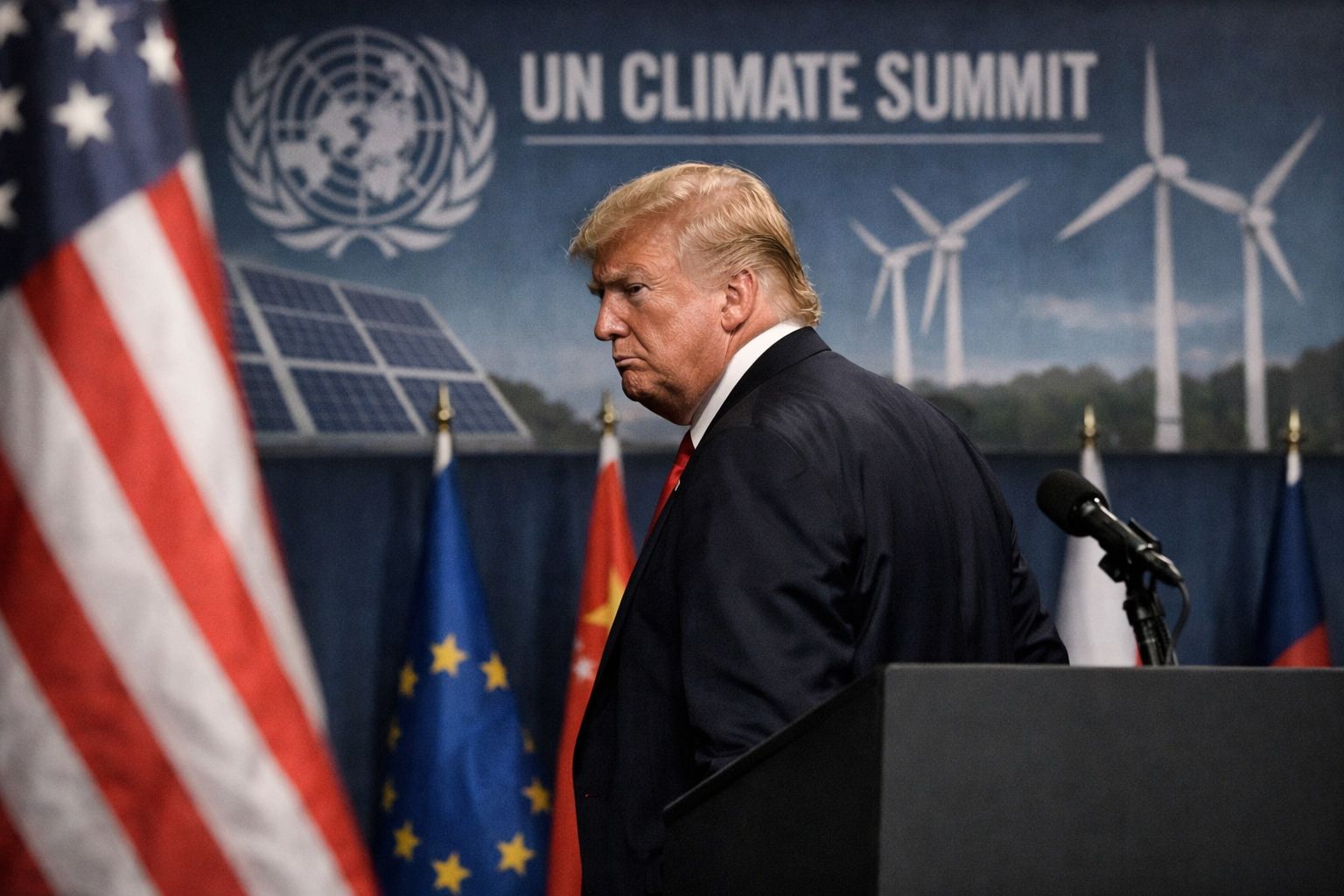
The United States has formally withdrawn from a wide range of international renewable energy and climate change organizations following a directive issued by Donald Trump. The decision marks a significant shift in US climate and energy diplomacy and signals a move away from multilateral cooperation on climate policy, clean energy deployment, and environmental research.
The withdrawals affect organizations that have long played central roles in global climate negotiations, renewable energy coordination, and climate finance. The move has drawn strong reactions from international partners, clean energy industries, and policy experts.
Table of Contents
What the Withdrawal Covers
Under the new directive, the US will end participation and financial contributions to dozens of international bodies linked to climate change and renewable energy. These include both United Nations agencies and independent multilateral organizations.
Among the most prominent exits are:
United Nations Framework Convention on Climate Change, the foundational treaty governing global climate negotiations
Intergovernmental Panel on Climate Change, which produces authoritative climate science assessments
International Renewable Energy Agency, which supports renewable energy deployment worldwide
International Solar Alliance, focused on expanding solar power adoption
Green Climate Fund, which helps finance climate projects in developing countries
The administration stated that the decision applies to more than 60 international organizations, many of them directly connected to climate policy, sustainable development, and clean energy cooperation.
The Administration’s Rationale
According to official statements, the withdrawals are intended to realign US foreign engagement with what the administration describes as national interests. The White House argues that participation in these organizations imposes financial obligations and policy constraints that do not sufficiently benefit American workers, industries, or taxpayers.
The administration has framed the move as part of a broader effort to prioritize domestic energy production, economic growth, and national sovereignty over international commitments. Officials have also criticized climate institutions for promoting policies they view as restrictive to fossil fuel development and domestic energy independence.
Immediate International Reaction
The decision has triggered swift reactions from governments, climate leaders, and international organizations. Many foreign officials have expressed concern that the absence of the United States will weaken global coordination at a time when international cooperation is seen as critical to addressing climate risks.
UN officials have warned that US withdrawal from climate bodies could slow progress on emissions reductions, climate adaptation, and clean energy investment. Several European and Asian governments have reaffirmed their commitment to existing climate frameworks while urging the US to reconsider its position.

Impact on Global Climate Cooperation
The US has historically played a major role in shaping international climate policy, both through diplomacy and funding. Its withdrawal raises questions about how global climate governance will function without American participation.
Potential impacts include reduced funding for climate research and clean energy projects, weaker enforcement of global climate agreements, and increased influence from other major economies such as China and the European Union. Some analysts warn that the vacuum left by the US could accelerate a shift in global leadership on clean energy technology and standards.
Implications for the US Renewable Energy Industry
Domestically, the move has created uncertainty within the renewable energy sector. While US solar, wind, and battery industries continue to grow, participation in international organizations has helped American companies access overseas markets, collaborate on technology development, and shape global standards.
Industry groups have expressed concern that stepping back from global climate institutions could limit export opportunities and reduce US influence over future clean energy rules. Others argue that domestic policy and market forces will remain the primary drivers of renewable energy growth regardless of international engagement.
Legal and Political Questions
Some of the organizations involved are tied to treaties that were ratified by the US Senate, raising questions about the legal authority of a presidential directive to fully withdraw without congressional approval. Legal scholars have suggested that challenges could arise, particularly regarding treaty based commitments.
Politically, the move has intensified partisan debate over US climate policy. Supporters see the withdrawals as a necessary assertion of national sovereignty, while critics argue they undermine long term economic competitiveness and global stability.

Conclusion
With the withdrawals now underway, attention is turning to how the US will engage internationally on climate and energy issues going forward. The administration has indicated a preference for bilateral agreements and domestic initiatives over multilateral frameworks.
Whether future administrations will seek to rejoin these organizations remains uncertain. What is clear is that the decision represents one of the most significant shifts in US climate and renewable energy policy in decades, with consequences that will extend well beyond American borders.
FAQs
Why did the US withdraw from international climate and renewable energy organizations?
The administration under Donald Trump stated that these organizations no longer serve US national interests. Officials argue that participation imposes financial costs and policy constraints while limiting domestic energy independence and economic flexibility.
Which climate and renewable energy organizations did the US leave?
The US withdrew from multiple major bodies, including the United Nations Framework Convention on Climate Change, the Intergovernmental Panel on Climate Change, the International Renewable Energy Agency, the International Solar Alliance, and the Green Climate Fund, among others.
Does this mean the US is leaving all global climate agreements?
The withdrawal primarily affects participation in international organizations and funding mechanisms. While it weakens US involvement in global climate governance, it does not automatically end all international environmental obligations, particularly those embedded in Senate ratified treaties.
How could this decision affect global climate efforts?
Experts warn that reduced US participation may slow global coordination on emissions reduction, climate adaptation, and clean energy financing. It may also increase the influence of other major economies in setting global climate and renewable energy standards.
What does this mean for the US renewable energy industry?
US renewable energy development continues domestically, but industry groups caution that stepping away from international climate bodies could reduce export opportunities, global collaboration, and US influence over emerging clean energy markets.
Could the US rejoin these organizations in the future?
Yes. Future administrations could seek to rejoin many of these organizations through executive action, funding restoration, or congressional approval, depending on the legal structure of each body.
You May Also Like
External Links
Going beyond AQI: study shows why toxicity matters in measuring air pollution
Hoosiers call for tighter pollution control for BP's Lake Michigan refinery permit
Pollution From the Tijuana River Affects Air Quality in San Diego
Dieselgate pollution killed 16,000 people in UK, study estimates
Pollution from the Tijuana River is ending up in the air near the border, study finds
Follow Us:
X: https://www.x.com/greenglownews
Youtube: https://www.youtube.com/@greenglownews
Instagram: https://www.instagram.com/greenglownews
Sponsored Links