- Green Glow
- Posts
- 🌱 Renewables and Hydrogen Are Reshaping Central Asia’s Energy Future 🔋🌍
🌱 Renewables and Hydrogen Are Reshaping Central Asia’s Energy Future 🔋🌍
Renewables and hydrogen are transforming Central Asia’s energy future as the region shifts from fossil fuels toward clean power, green hydrogen, and global energy partnerships.

Green Glow
January 18, 2026
Central Asia is undergoing a quiet but consequential transformation in how it produces, consumes, and exports energy. Long defined by fossil fuels and large-scale hydropower, the region is now increasingly focused on renewable energy and green hydrogen as pillars of its long-term economic and geopolitical strategy. This shift is drawing attention from global investors and policymakers, particularly in Europe, as energy security and decarbonisation become urgent priorities.
Table of Contents
Central Asia’s Traditional Energy Landscape
For decades, Central Asia’s energy systems have been shaped by geography and legacy infrastructure. Kazakhstan, Uzbekistan, and Turkmenistan rely heavily on coal, oil, and natural gas. Kyrgyzstan and Tajikistan depend primarily on hydropower, using large river systems to meet domestic demand and export surplus electricity during peak seasons.
While this mix has supported growth, it has also created vulnerabilities. Aging infrastructure, seasonal shortages, and exposure to global fossil fuel price volatility have pushed governments to explore more diversified and resilient energy models.
Why Renewables Are Gaining Momentum
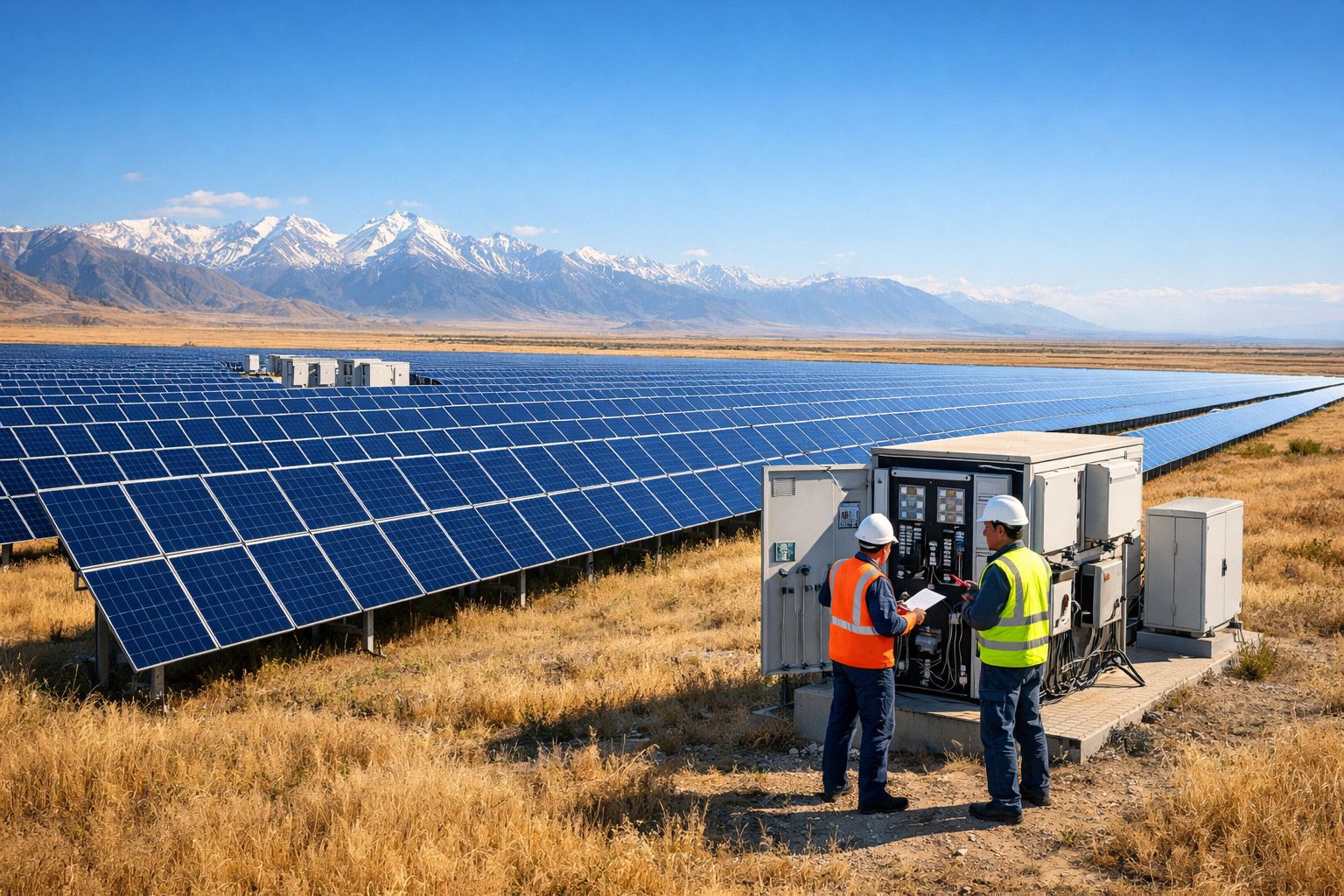
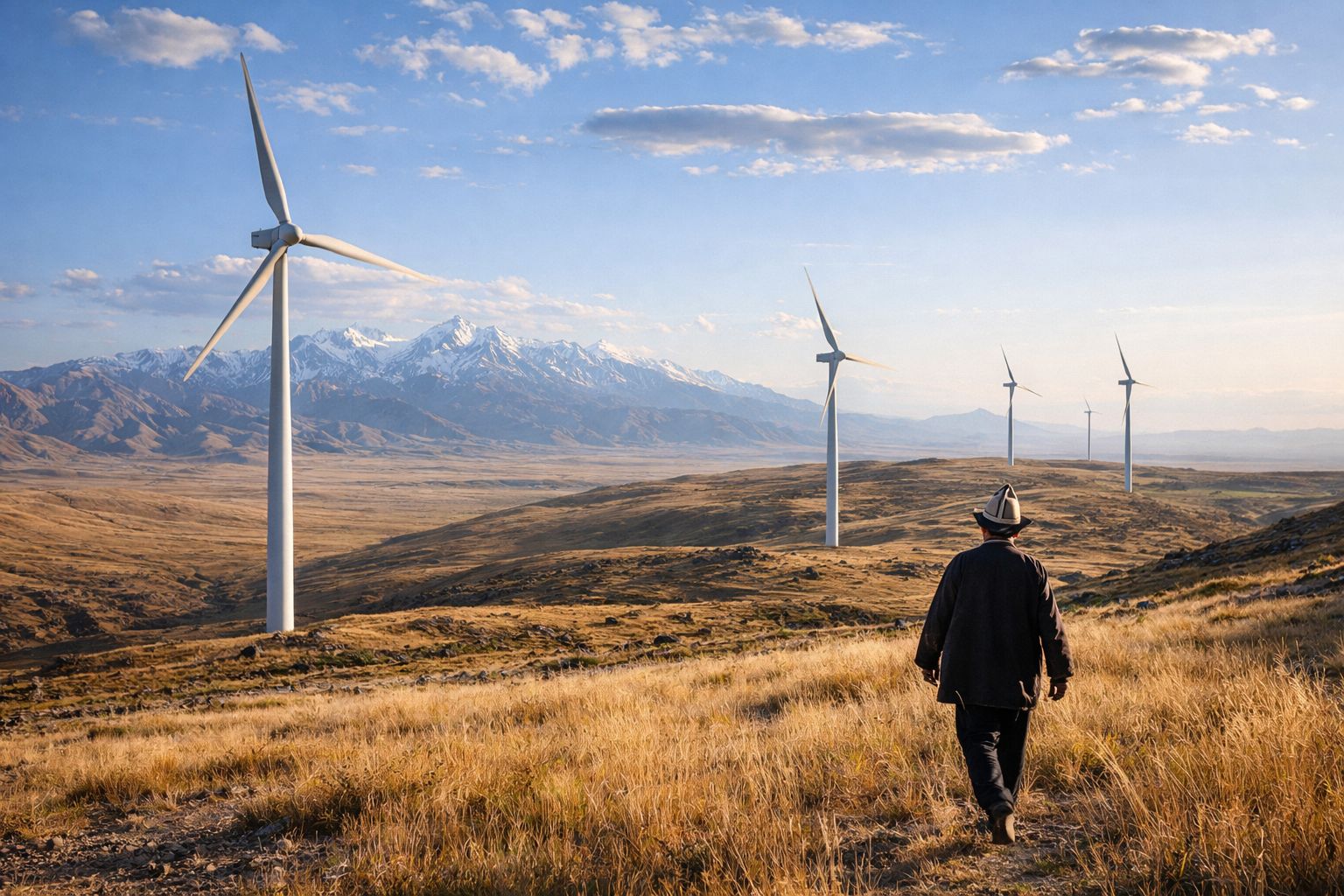
Central Asia possesses vast untapped renewable potential. High solar irradiation across Kazakhstan and Uzbekistan, strong wind corridors in steppe regions, and existing hydropower capacity provide a solid foundation for expansion.
Several factors are accelerating renewable deployment:
Falling costs of solar and wind technologies
Government targets to reduce emissions and modernise power systems
Growing electricity demand driven by population growth and industrialisation
Interest from foreign investors seeking large-scale clean energy projects
As a result, utility-scale solar and wind projects are moving from planning stages into active development across the region.
Hydrogen as a Strategic Energy Opportunity
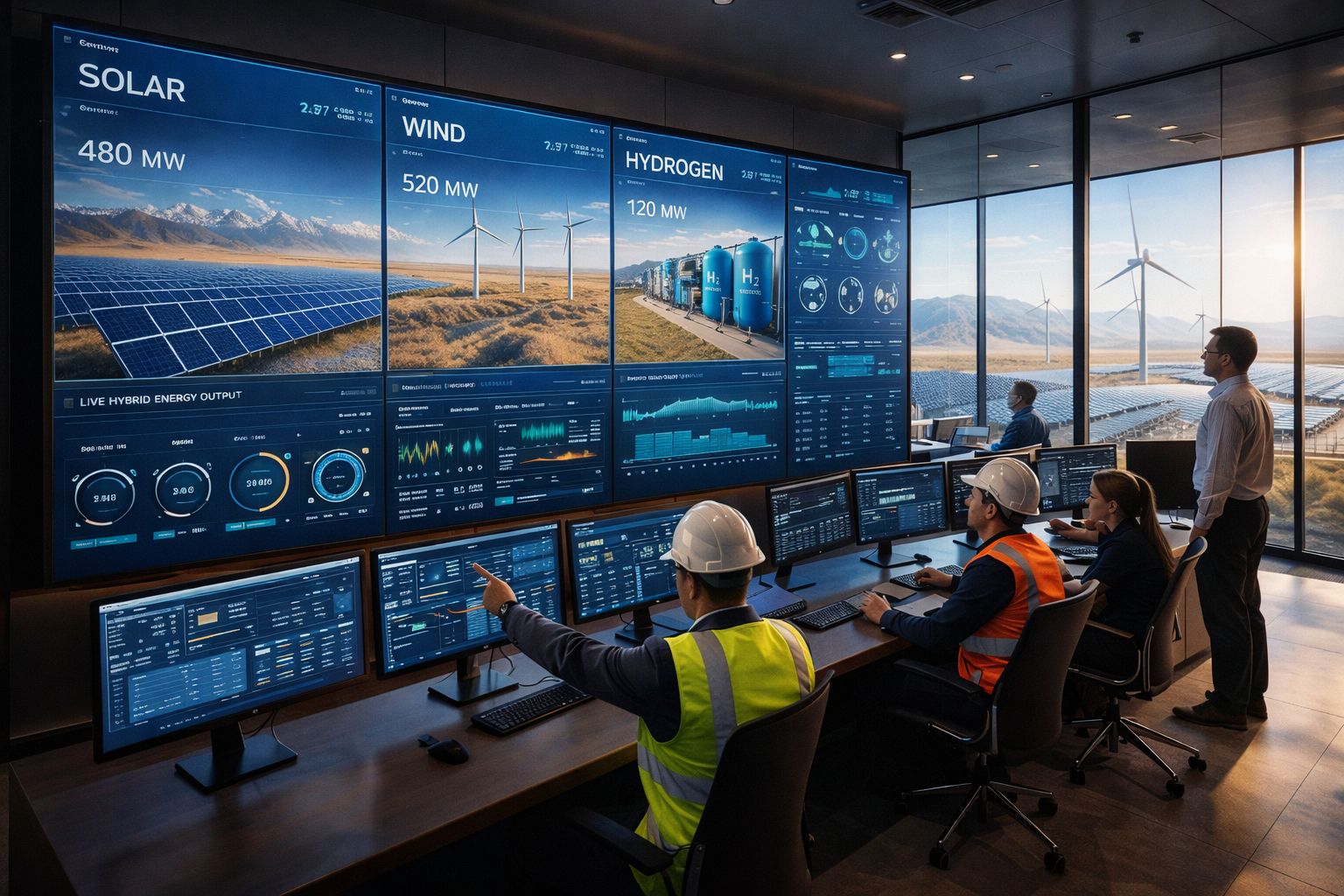
Green hydrogen is emerging as a key component of Central Asia’s future energy ambitions. Produced using renewable electricity and water, hydrogen offers a way to store energy, decarbonise heavy industry, and potentially export clean fuel to international markets.
Countries such as Kazakhstan and Uzbekistan are developing hydrogen roadmaps that link large renewable energy projects with electrolysis facilities. These initiatives aim to position the region as a future supplier of low-carbon hydrogen for Europe and Asia.
Hydrogen is attractive because it allows Central Asia to move up the value chain rather than exporting raw fossil fuels. It also aligns with global demand from industries that are difficult to electrify, including steel, chemicals, and long-distance transport.
Europe’s Growing Interest in Central Asia
The European Union is actively seeking diversified energy partnerships as it reduces reliance on Russian fossil fuels. Central Asia’s renewable resources, geographic location, and hydrogen potential make it an increasingly strategic partner.
Proposed green energy corridors across the Caspian region could connect Central Asian producers with European markets via Azerbaijan and the South Caucasus. These links would support electricity trade, hydrogen transport, and broader cooperation on clean energy technologies.
Infrastructure and Investment Challenges
Despite its promise, the energy transition in Central Asia faces real constraints:
Limited cross-border transmission and export infrastructure
High upfront investment costs for hydrogen and renewables
Regulatory gaps and evolving energy markets
Water availability concerns related to hydrogen production
Addressing these challenges will require coordinated regional planning, international financing, and policy frameworks that encourage private sector participation.
What This Energy Shift Means for the Region
The move toward renewables and hydrogen represents more than a technical transition. It signals a broader economic repositioning. By investing in clean energy, Central Asian states aim to strengthen energy security, attract long-term investment, and reduce exposure to fossil fuel market cycles.
If successful, the region could emerge as a major clean energy hub linking Europe and Asia while supporting domestic growth and environmental goals.
Conclusion
Renewables and hydrogen are reshaping Central Asia’s energy future by redefining how the region generates power and engages with global markets. While challenges remain, the strategic direction is clear. Clean energy is becoming central to Central Asia’s economic development, geopolitical relevance, and long-term sustainability.
FAQs
Why is Central Asia focusing on renewable energy now?
Rising energy demand, aging infrastructure, climate commitments, and falling renewable costs are driving the shift toward cleaner energy sources.
What makes hydrogen important for Central Asia?
Hydrogen allows the region to store renewable energy, decarbonise heavy industries, and potentially export clean fuel to Europe and Asia.
Which countries are leading the transition?
Kazakhstan and Uzbekistan are currently the most active in large-scale renewable and hydrogen planning, while Kyrgyzstan and Tajikistan continue to expand hydropower.
Can Central Asia realistically export green energy to Europe?
Yes, but it depends on new infrastructure such as transmission lines, pipelines, and Caspian Sea corridors, along with long-term policy coordination.
What are the main obstacles to progress?
Infrastructure gaps, financing needs, regulatory uncertainty, and water resource management remain the key challenges.
You May Also Like
External Links
Follow Us:
X: https://www.x.com/greenglownews
Youtube: https://www.youtube.com/@greenglownews
Instagram: https://www.instagram.com/greenglownews
Sponsored Links