- Green Glow
- Posts
- 🌱 Indiana’s Data Center Boom and the Challenge for Renewable Power 📊⚡
🌱 Indiana’s Data Center Boom and the Challenge for Renewable Power 📊⚡
Indiana’s rapid data center expansion is straining the power grid and challenging renewable energy goals. Explore the energy demands, risks, and solutions shaping the state’s clean energy future.

Green Glow
December 17, 2025
Indiana is quickly becoming a magnet for large-scale data centers. Driven by cloud computing, artificial intelligence, and digital infrastructure growth, these facilities promise jobs, tax revenue, and economic development. However, their rapid expansion is creating a serious challenge for the state’s renewable energy ambitions. At the center of the issue is a fundamental mismatch between how data centers consume electricity and how renewable energy is produced.
Table of Contents

Why Data Centers Are Expanding Across Indiana
Data centers require vast amounts of electricity to power servers, cooling systems, and network infrastructure. Indiana offers several advantages that attract these investments, including relatively low land costs, central geographic location, and an established energy grid. State and local governments have also been eager to approve projects in hopes of boosting local economies.
As demand for AI computing and cloud storage accelerates, data centers are no longer niche infrastructure. They are becoming some of the largest electricity consumers in the country, often rivaling small cities in power demand.
The Unique Energy Needs of Data Centers
Unlike many industrial users, data centers operate continuously. They require uninterrupted power twenty-four hours a day, seven days a week. Even short outages can cause costly disruptions or data loss. This constant load is where renewable energy faces its greatest limitation.
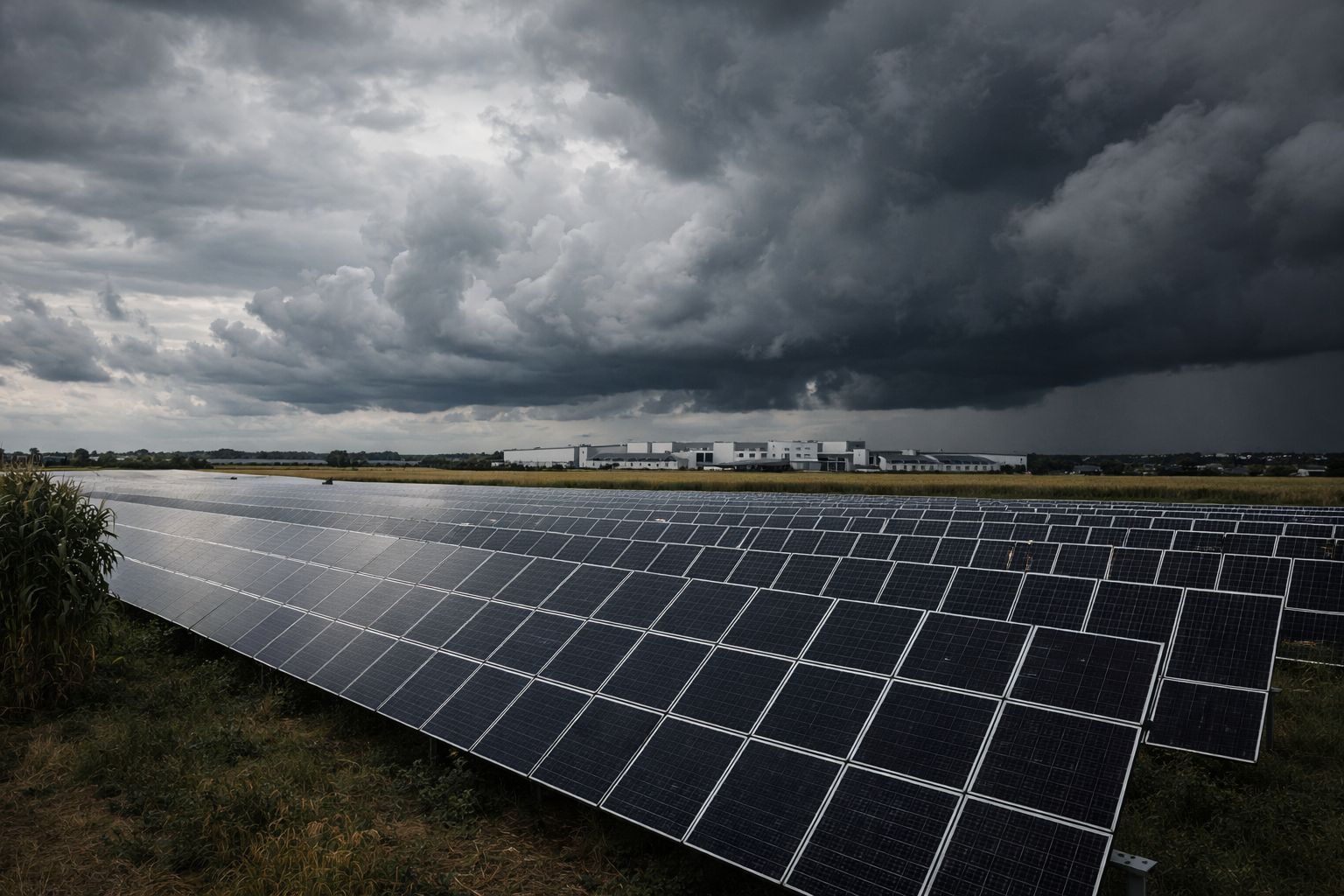
Solar and wind energy are intermittent by nature. Solar production falls at night and during cloudy weather. Wind output fluctuates with weather conditions. While these sources are clean and increasingly affordable, they cannot always provide steady power without large-scale energy storage or backup generation.
Indiana’s Current Energy Mix
Indiana has made progress in expanding renewable energy, particularly wind and utility-scale solar projects. However, fossil fuels still play a dominant role in the state’s electricity generation. Coal and natural gas remain critical for meeting consistent demand and stabilizing the grid.
When new data centers connect to the grid, their electricity often comes from the existing generation mix. Unless additional renewable capacity and storage are built at the same pace, increased demand risks extending the use of fossil fuel power rather than replacing it.
The Risk to Renewable Energy Goals
The rapid approval of data center projects raises concerns that renewable energy goals could be weakened rather than strengthened. While many technology companies publicly commit to clean energy, those commitments often rely on long-term power purchase agreements or renewable energy credits. These mechanisms do not always guarantee that clean energy is physically supplying power at the moment it is consumed.
Without stricter requirements, Indiana could see a situation where renewable energy capacity grows on paper, but fossil fuel plants continue running to meet real-time demand. This outcome would slow emissions reductions and undermine public confidence in clean energy transitions.

Infrastructure and Policy Constraints
Building renewable energy infrastructure takes time. Permitting processes, land-use disputes, and transmission limitations can delay projects for years. Energy storage systems that could help balance intermittent supply remain expensive and limited in scale.
At the same time, data center projects often move quickly through approval processes due to their economic appeal. This imbalance places pressure on the grid before clean energy solutions are fully in place.
Policy decisions play a central role. Without enforceable standards tying data center growth to new renewable generation and storage, utilities default to existing power sources to ensure reliability.
Economic Growth Versus Long-Term Sustainability
Indiana faces a difficult balancing act. Data centers can bring economic benefits, but electricity costs and infrastructure investments are ultimately shared by ratepayers. If grid upgrades and fossil fuel reliance increase, households and small businesses may bear higher energy costs over time.
Sustainable growth requires aligning economic development with energy planning. Approving energy-intensive projects without ensuring clean and reliable power risks creating long-term liabilities rather than lasting benefits.
A Path Forward for Indiana
Addressing this challenge does not require rejecting data centers outright. Instead, Indiana can take a more deliberate approach by linking new projects to measurable clean energy commitments. This includes requiring investments in renewable generation, grid-scale storage, and transmission upgrades that directly support added demand.
Transparent planning, stronger regulatory oversight, and coordination between utilities, policymakers, and developers are essential. Data centers can become part of Indiana’s clean energy future, but only if growth is matched with realistic energy solutions.
Conclusion
Indiana’s data center boom reflects broader trends shaping the digital economy. However, the pace of expansion is testing the limits of the state’s renewable energy infrastructure. Without careful planning and enforceable standards, data centers could slow the transition to cleaner power rather than accelerate it.
The choices Indiana makes today will determine whether economic growth and renewable energy progress move forward together or pull in opposite directions.
FAQs
Why do data centers consume so much electricity
Data centers run thousands of servers and cooling systems continuously. They operate twenty four hours a day and require constant, reliable power to prevent outages and data loss.
Can renewable energy fully power data centers in Indiana
Renewable energy can supply part of the demand, but solar and wind are intermittent. Without large scale energy storage or firm backup generation, they cannot yet provide uninterrupted power on their own.
How do data centers affect Indiana’s energy mix
New data centers increase overall electricity demand. If renewable capacity does not grow at the same pace, utilities rely more on coal and natural gas to meet constant demand.
Do tech companies use clean energy for their data centers
Many companies purchase renewable energy credits or sign long term power agreements. These methods support clean energy development but do not always guarantee real time renewable power for their facilities.
What can Indiana do to support clean energy while approving data centers
The state can require new data centers to invest in renewable generation, energy storage, and grid upgrades while strengthening regulations that tie growth to actual clean power supply.
You May Also Like
🌱 Half of Americans Still Breathe Unhealthy Air—Here's Why It Matters 🌬️😷
🌱 Can Electric Trucks Handle the Dirty Work? A Trial in Wiltshire 🚛⚡
🌱 Trump vs. Chinese Media: The Battle Over Blame for Ocean Pollution ⚔️📰
🌱 How Drug Pollution Is Secretly Changing the Way Salmon Survive 💊🐟
🌱 How the UK's Weather Is Powering the Renewable Energy Revolution 🌦️⚡
External Links
Nikola’s Bold Move: Could These Electric Trucks Be a Game Changer?
Amazon makes ‘largest ever’ UK order of electric trucks to cut carbon emissions
Spain’s grid denies renewable energy to blame for massive blackout
Weird weather isn't always because of climate change — but sometimes it is
Clever new technique turns falling rain into renewable energy
Follow Us:
X: https://www.x.com/greenglownews
Youtube: https://www.youtube.com/@greenglownews
Instagram: https://www.instagram.com/greenglownews
Sponsored Links