- Green Glow
- Posts
- 🌱 If We Wait, It Will Be Too Late: Scientists Sound the Alarm on Climate Collapse 🚨🔥
🌱 If We Wait, It Will Be Too Late: Scientists Sound the Alarm on Climate Collapse 🚨🔥
Scientists warn that climate collapse has already begun and that delaying climate action could push the planet past irreversible tipping points. Learn why over 500 experts signed an urgent global declaration and what the world must do now to prevent catastrophic consequences.

Green Glow
December 02, 2025
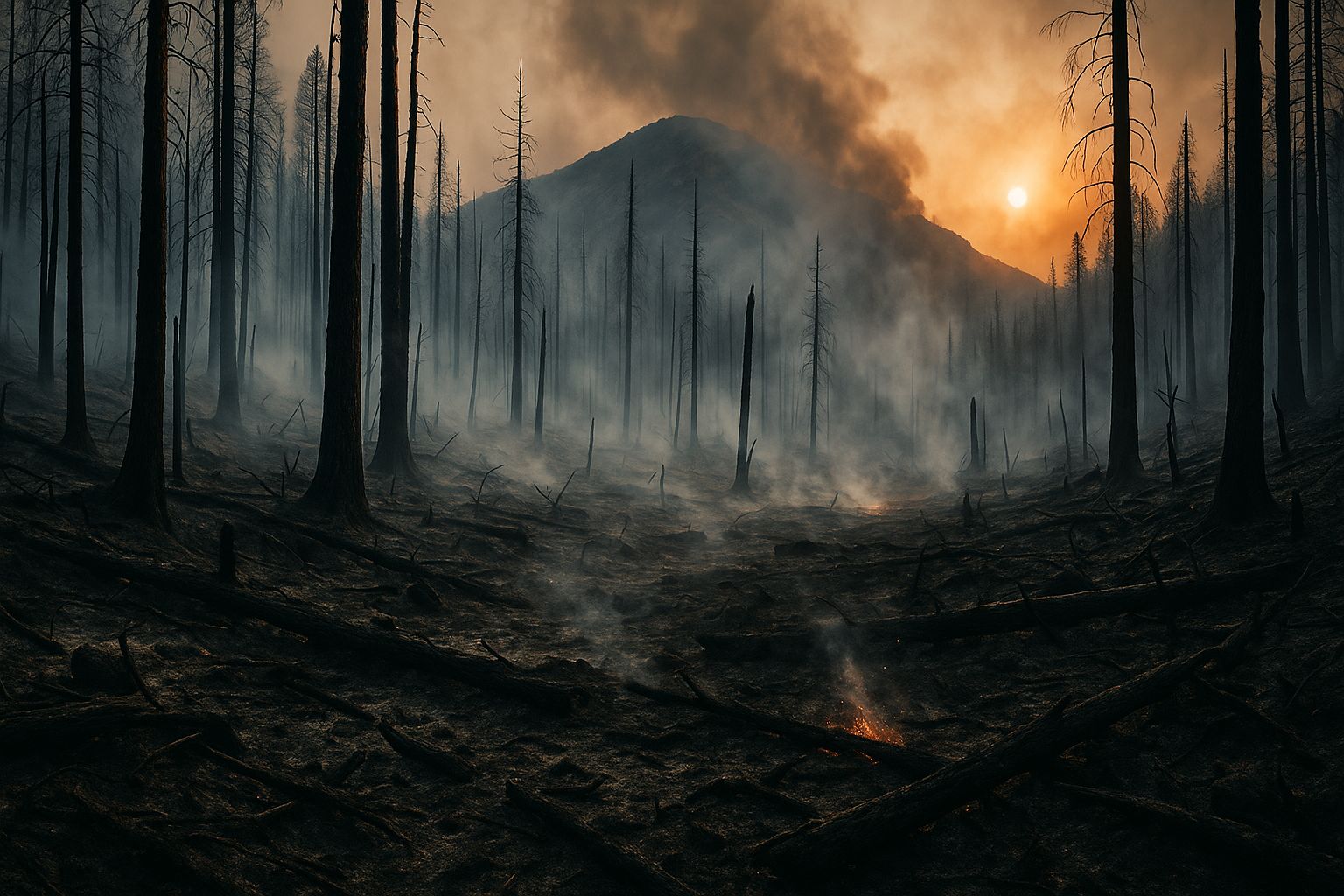
The world is running out of time to pull itself back from the edge of environmental catastrophe. Hundreds of scientists across the globe have issued a united warning that humanity has entered a danger zone where continued delay on climate action could trigger irreversible transformations of the planet. Their message is clear. Climate collapse is not a distant future possibility. It has already begun.
Table of Contents
Why Scientists Are Taking an Unprecedented Stand
More than 500 scientists have endorsed what is known as the Dartington Declaration, an urgent appeal for immediate and transformative climate action. This movement is driven by a simple yet alarming realization. The pace of global warming and ecological degradation has outstripped political and societal responses. The scientific community argues that warnings have been repeated for decades, but the gap between knowledge and action has remained dangerously wide.
The authors of the declaration stress that the coming years will determine the future of life on Earth. The decisions made between now and 2030 will shape the next centuries. The longer humanity waits, the harder it will be to reverse the trajectory.
The Tipping Point Problem That Cannot Be Ignored
A central theme of the declaration is the threat of climate tipping points. These are ecological thresholds beyond which environmental systems rapidly and uncontrollably spiral into new states. Once crossed, they cannot be undone.
Some of the tipping points identified include:
Large scale coral reef die off
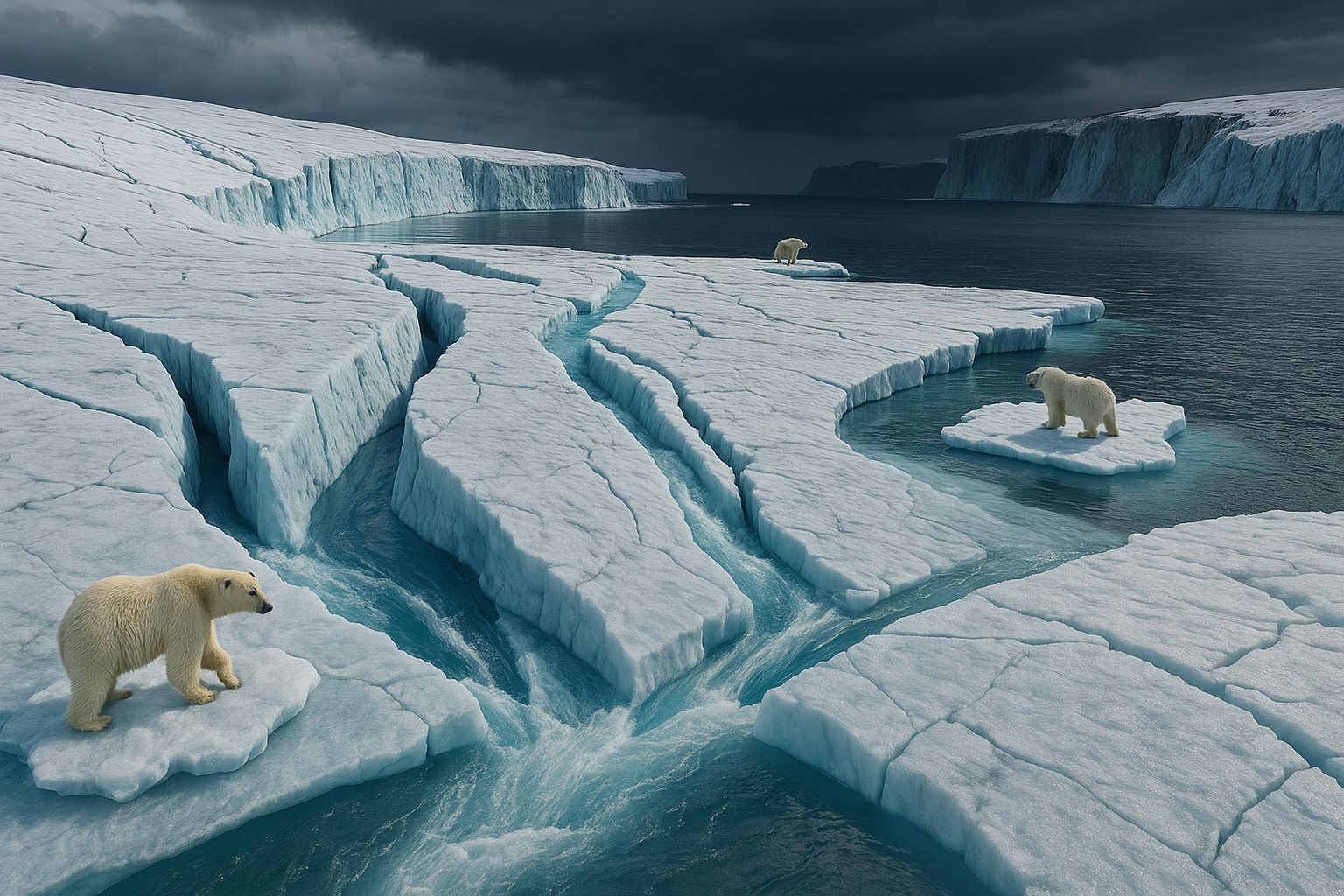
Accelerated melting of polar ice sheets
Collapse of major forests including the Amazon
Breakdown of ocean circulation systems that regulate weather
Scientists warn that at least one tipping point has already been crossed, pointing to the dramatic and unprecedented decline of coral ecosystems across multiple oceans. More tipping points may soon follow if warming continues at its current rate.
Rapid Emission Cuts Are No Longer Optional
To prevent further tipping point cascades, the declaration calls for cutting global greenhouse gas emissions by at least half by 2030 compared to 2010 levels. Net zero emissions by 2050 will be required to stabilize the climate and avoid the worst outcomes.
Meeting these targets requires sweeping structural changes. These include:
Replacing fossil fuels with renewable energy at a faster scale
Redesigning food and agricultural systems to reduce land degradation
Protecting and restoring natural carbon sinks such as forests, soils and oceans
Phasing out investments and subsidies that accelerate climate damage
Scientists emphasize that every country, regardless of income level, plays a role because climate impacts do not respect borders.
Protecting Nature Is as Important as Reducing Emissions
While reducing emissions is urgent, scientists highlight that it is not enough on its own. Climate stability depends on nature's ability to absorb carbon. Forests, wetlands, soils and oceans capture enormous amounts of CO₂. When these ecosystems are damaged, warming accelerates.
Restoration of natural systems provides a double benefit. It stores carbon while strengthening the resilience of communities dealing with heat waves, drought, flooding and food insecurity.
The Human Consequences of Inaction
Climate collapse is not only an environmental emergency. It is a humanitarian emergency.
If global heating continues unchecked, billions of lives will be affected. Expected consequences include:
Deadly heat waves that make regions unlivable
Increased food shortages due to disrupted agriculture
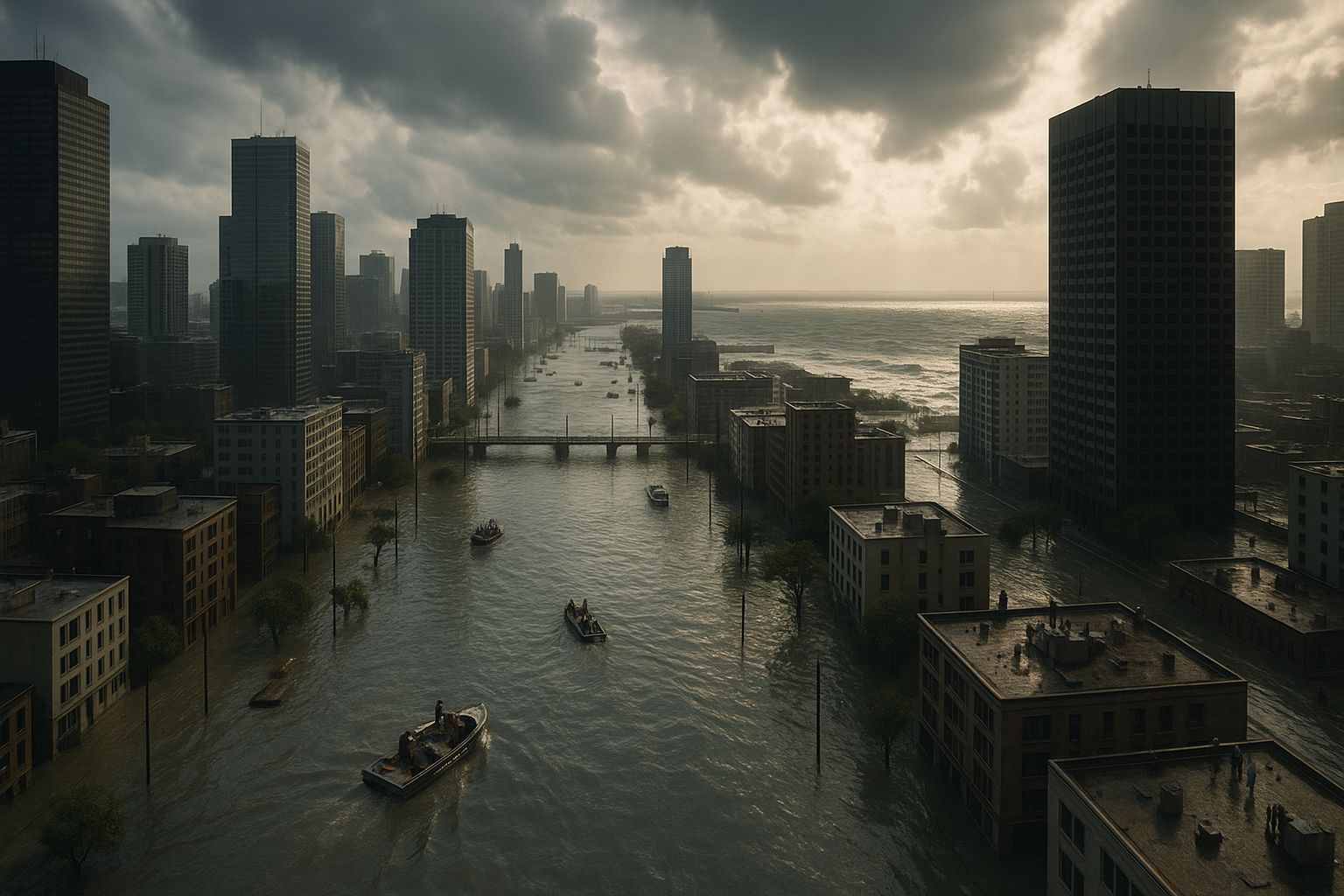
Mass displacement caused by flooding and drought
Economic losses from extreme weather and infrastructure failure
Spread of diseases linked to changing temperatures and insect patterns
Scientists warn that the most vulnerable countries, including developing and low lying nations, will suffer the earliest and most severe consequences despite contributing the least to global emissions.
There Is Still Time to Change the Future
Although the declaration carries a grave warning, it is not without hope. The world still has the ability to steer away from disaster if decisions are bold, swift and grounded in scientific evidence.
Many solutions already exist. Renewable energy is expanding rapidly. Carbon negative agriculture is gaining traction. Cities are designing climate smart infrastructure. Public awareness is rising.
The obstacle is not technology. The obstacle is delay.
Conclusion
If we wait, it will be too late.
The Declaration urges governments, corporations and individuals to treat climate action with the urgency normally reserved for wars or pandemics. Every year of hesitation reduces the chance of avoiding irreversible breakdown.
The scientific community is delivering its most unified warning yet. Responding decisively today can protect the natural world and human societies for generations. Waiting any longer is a gamble the planet cannot afford.
FAQs
What do scientists mean by climate collapse?
Climate collapse refers to rapid large scale environmental breakdown triggered by global warming. It includes ecosystem failure, extreme weather, food system disruptions and irreversible damage to natural systems such as coral reefs, forests and polar ice.
Why are scientists saying the world is running out of time?
Research shows that the next five to ten years are critical. If emissions are not reduced fast enough, the planet could cross multiple climate tipping points that cannot be reversed even with future technological solutions.
What are climate tipping points?
Tipping points are thresholds where environmental systems permanently shift into a new state. Examples include the irreversible melting of ice sheets, collapse of coral reefs and disruption of ocean circulation. Once crossed, they do not return to their previous balance.
What actions do scientists recommend for governments?
Scientists call for cutting greenhouse gas emissions in half by 2030 compared to 2010 levels, achieving net zero by 2050, phasing out fossil fuels, accelerating renewable energy deployment and protecting natural carbon sinks such as forests and oceans.
Can climate collapse still be prevented?
Yes. According to the declaration, the world still has a chance to avoid the most catastrophic outcomes. Rapid structural changes across energy, agriculture, industry and land use can stabilize the planet if implemented quickly.
You May Also Like
External Links
Follow Us:
X: https://www.x.com/greenglownews
Youtube: https://www.youtube.com/@greenglownews
Instagram: https://www.instagram.com/greenglownews
Sponsored Links