- Green Glow
- Posts
- 🌱 How Slovakia Is Powering Its Future With Renewable Energy ⚡🌿
🌱 How Slovakia Is Powering Its Future With Renewable Energy ⚡🌿
Learn how Slovakia is transforming its energy system through solar, wind, hydropower, and biomass. Discover the country’s clean energy goals, government support programs, economic benefits, and challenges as it builds a sustainable future.

Green Glow
December 08, 2025
Slovakia is undergoing a quiet but significant transformation in its energy sector. Long dependent on nuclear and fossil fuels, the country is now shifting toward cleaner and more sustainable power sources. With rising energy costs, climate pressures, and the need for greater energy security, renewable energy has become a central part of Slovakia’s long term development strategy.
This article explores how Slovakia is expanding its renewable energy capacity, the opportunities it offers for economic growth, and the challenges the country must overcome to reach its goals.
Table of Contents
A National Push Toward Clean Energy
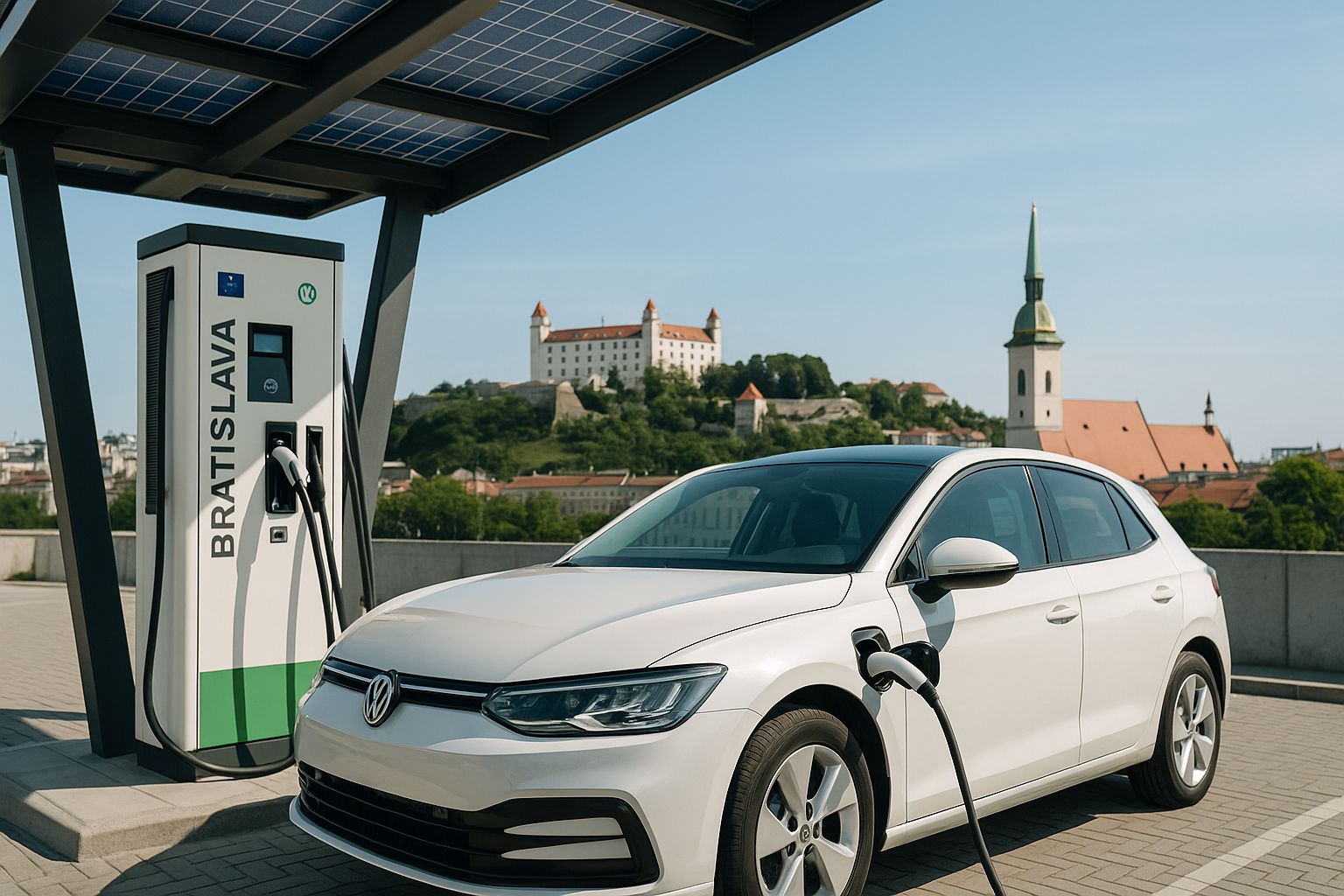
Slovakia has committed to making renewable energy a major part of its future. Under its national climate and energy targets, the country aims for renewables to account for at least 23 percent of total energy consumption by 2030.
This shift is driven by several important goals:
Reducing dependence on imported fossil fuels
Increasing energy security for households and industry
Meeting European Union climate commitments
Creating new jobs and supporting economic development
To reach these goals, Slovakia is investing in solar, wind, biomass, and hydropower, along with modernizing existing energy infrastructure.
Harnessing the Power of the Sun and Wind
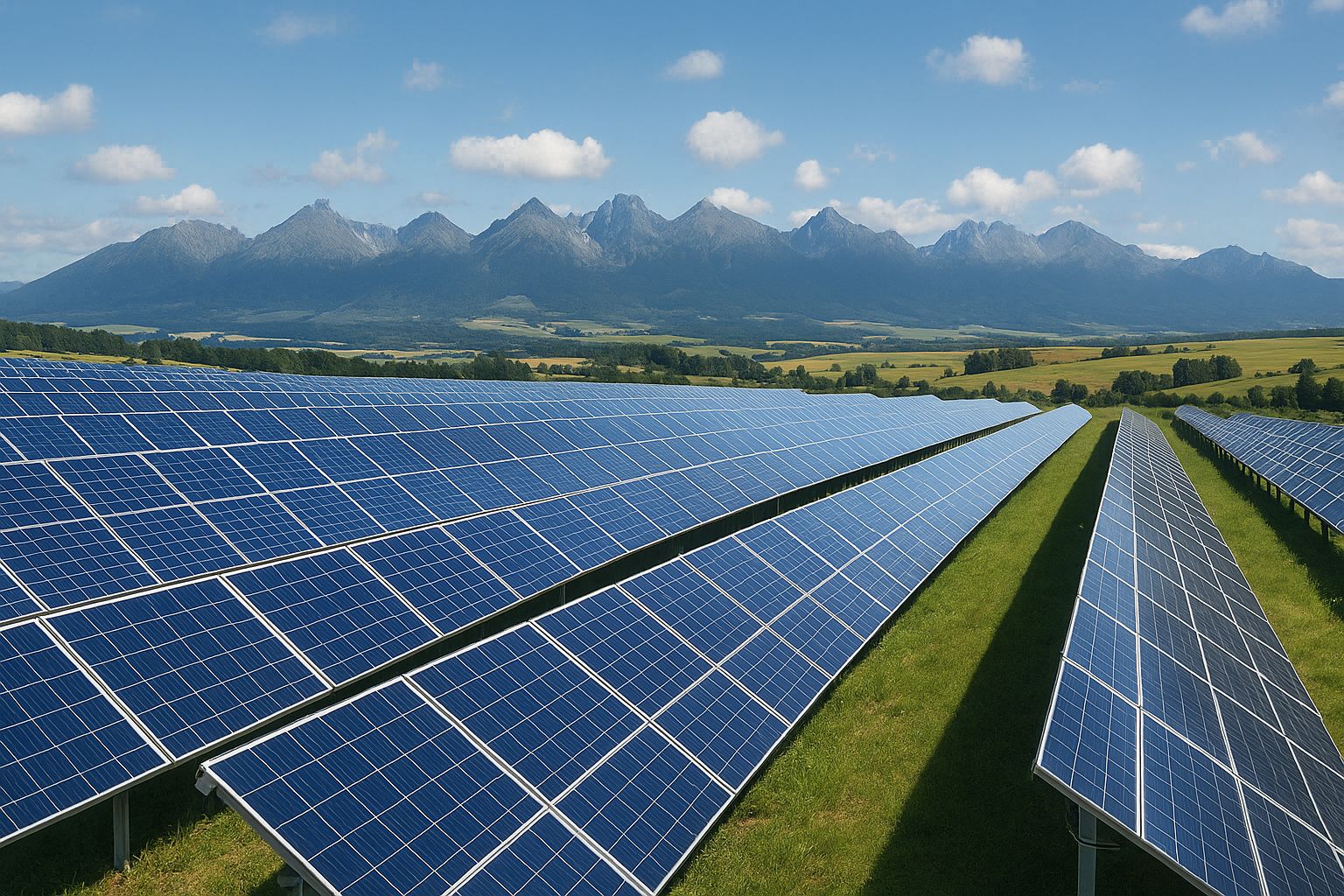
Solar energy has become one of Slovakia’s fastest growing renewable sources. The country receives enough sunlight throughout the year to support both large solar farms and small rooftop installations for homes and businesses. Falling solar panel costs and government incentives are making solar power increasingly accessible.
Wind energy is also gaining momentum. New wind projects have been proposed across various regions, supported by grants and streamlined building regulations. Although the country’s geography limits large scale wind development, several areas have strong potential and are already attracting investors.
Both technologies allow Slovakia to diversify its energy mix and reduce pressure on traditional systems.
Hydropower and Biomass Remain Reliable Anchors
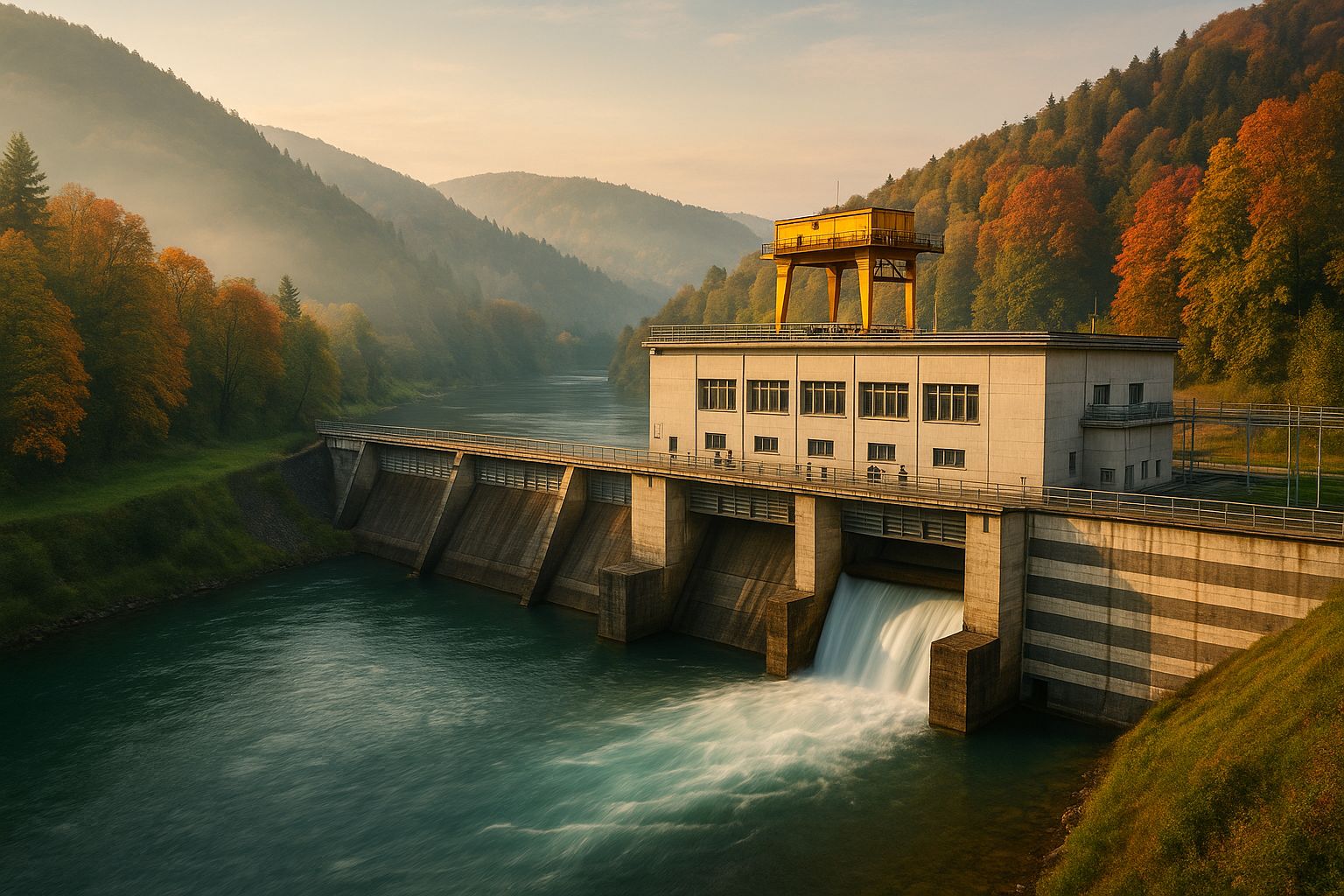
Hydropower has long played an important role in Slovakia’s energy supply. The country continues to modernize old hydropower stations and expand their efficiency. These upgrades help provide stable and clean electricity that supports the national grid.
Biomass and biogas are also popular renewable sources in rural areas. Many households and farmers use biomass for heating, while biogas plants convert agricultural waste into useful energy. These systems help reduce waste, lower emissions, and support local communities.
Together, hydropower and biomass form a strong foundation for Slovakia’s renewable portfolio.
Government Support Is Driving the Transition
Slovakia has introduced a variety of grants, subsidies, and investment incentives to encourage renewable development. These include programs for:
Solar and wind plant installation
Modernization of hydropower and biogas facilities
Household energy efficiency upgrades
New renewable energy businesses
These policies aim to reduce financial barriers and accelerate clean energy adoption. Much of the funding comes from European Union recovery and modernization programs, giving Slovakia access to resources that support long term energy resilience.
Economic Growth Through Green Energy
Expanding renewable energy is not only a sustainability decision. It is also a pathway to economic growth. New projects require engineers, construction workers, maintenance specialists, and energy technicians. As Slovakia upgrades its energy systems, new jobs and business opportunities are emerging in both urban and rural areas.
Clean energy also reduces long term energy costs, improves competitiveness for local industries, and increases independence from volatile global fuel markets. This creates a more stable economic environment for future growth.
Challenges on the Road to a Green Future
Slovakia’s progress is promising, but several challenges remain.
Many renewable projects face long permitting and approval processes
Grid infrastructure is not yet prepared for large amounts of solar and wind energy
The heating sector is still heavily dependent on natural gas
Investment needs remain high
To reach the 2030 renewable target, Slovakia must simplify regulations, modernize the grid, and continue attracting private investment. Without these steps, progress may slow.
Conclusion
Despite the challenges, Slovakia is moving steadily toward a cleaner and more sustainable future. With strong renewable potential, supportive government policies, and growing public interest, the country is well positioned to increase its share of clean energy over the next decade.
If Slovakia continues to expand solar and wind power, modernize hydropower, and support innovation in biomass and energy efficiency, it will not only meet its climate goals but also strengthen its economy and energy security.
Slovakia’s renewable energy shift is more than a technical transition. It is a commitment to a brighter, healthier, and more resilient future for its people.
FAQs
What percentage of Slovakia’s energy comes from renewables today?
Renewables account for roughly 17 percent of Slovakia’s energy consumption. The country aims to raise this to at least 23 percent by 2030.
Which renewable sources are most important in Slovakia?
Hydropower, solar, biomass, and wind are the main renewable sources. Hydropower is the most established, while solar is the fastest growing.
Is the government supporting renewable energy growth?
Yes. Slovakia offers grants, subsidies, and incentives to support new renewable installations and the modernization of older energy facilities.
Why is renewable energy important for Slovakia’s future?
Renewables strengthen energy security, reduce reliance on imported fossil fuels, create jobs, lower emissions, and support long term economic stability.
You May Also Like
External Links
Follow Us:
X: https://www.x.com/greenglownews
Youtube: https://www.youtube.com/@greenglownews
Instagram: https://www.instagram.com/greenglownews
Sponsored Links