- Green Glow
- Posts
- 🌱 How China Is Scaling Renewable Energy Faster Than Any Other Nation 🌏⚡
🌱 How China Is Scaling Renewable Energy Faster Than Any Other Nation 🌏⚡
China is expanding renewable energy capacity at an unprecedented pace, installing more wind and solar power than any other country. This article explains how China’s renewable build-out compares globally, what drives its acceleration, and what challenges and opportunities lie ahead.

Green Glow
January 25, 2026
China’s renewable energy expansion is unmatched in global pace and scale. Over the past decade the country has surged ahead in both installed capacity and annual additions of wind and solar power. Its deployment not only reshapes China’s domestic energy mix but also significantly influences global renewable energy growth.
Table of Contents

Record Levels of Renewable Installed Capacity
China now leads the world in total renewable energy capacity. It has been adding more new wind and solar power than any other nation, contributing a substantial share of global new installations.
In 2024 alone China installed hundreds of gigawatts of new renewable capacity, an amount larger than the combined additions of nearly all other countries. This expansion has helped China exceed its previously set 2030 wind and solar targets years ahead of schedule.
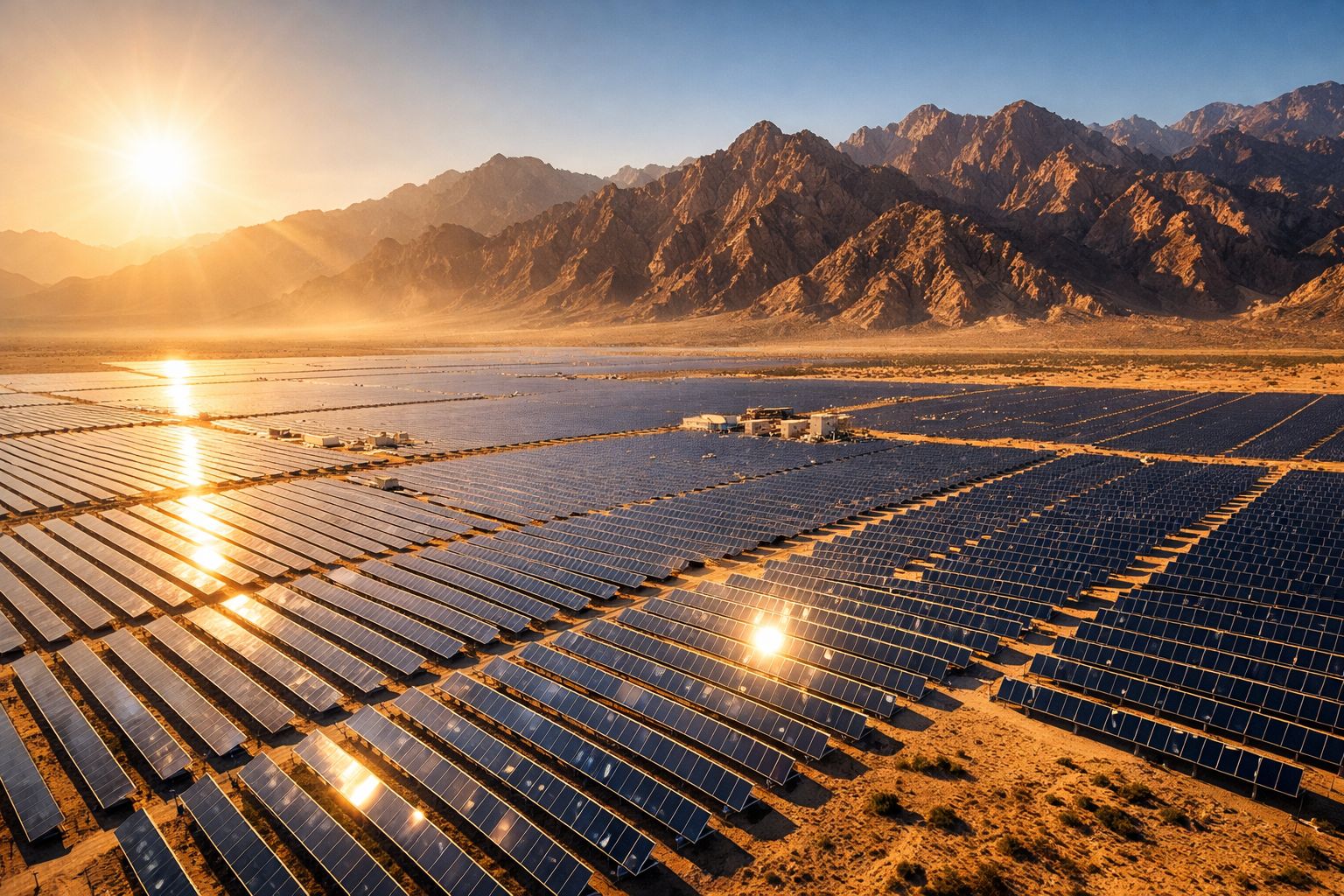
Solar power has been particularly prominent. China’s photovoltaic capacity has grown rapidly, crossing the 1,000 gigawatt threshold — a milestone no other country has reached. Wind power has also scaled significantly and together with solar accounts for a dominant share of new power additions.
International energy data show China accounts for a very large share of total global renewable capacity additions. In 2024 China contributed more than half of all new wind and solar capacity added worldwide. Independent agencies estimate that China was responsible for over 60 percent of the world’s renewable expansion in that year.
This scale reflects China’s industrial capacity and policy focus. The country manufactures a disproportionate share of the world’s solar panels, wind turbines, batteries, and other clean energy components. This strength not only supports domestic deployment but also makes clean technologies more affordable internationally.
Policy and Industrial Drivers Behind the Acceleration
Several factors underpin China’s rapid renewable energy growth:
Domestic Policy Goals. China has set ambitious energy transition targets, including increasing non-fossil energy use and reducing carbon intensity. Meeting these goals requires rapid build-out of renewables.
Manufacturing Scale and Export Strength. China dominates global production of renewable energy equipment. Its manufacturing scale lowers costs and supports rapid deployment both at home and abroad.
Investment in Grid Infrastructure. China has invested heavily in transmission networks and energy system infrastructure to integrate renewable capacity efficiently.
Early Achievement of Long-Term Targets. China reached its 2030 wind and solar capacity targets years earlier than planned, indicating structural momentum that carries into future plans.
Integration and Operational Challenges
While China’s build-out of renewable capacity is extraordinary, integrating this capacity into the grid poses ongoing challenges.
Curtailment Issues. At times, renewable generation exceeds grid absorption capacity, leading to a phenomenon known as curtailment, where available wind or solar power is not used because of transmission limits or balancing constraints.
Balancing Supply and Demand. Variable output from wind and solar requires improvements in storage, demand response, and system flexibility to ensure reliability as clean energy scales.
Policymakers and grid operators continue to evolve approaches to better integrate renewables and maximize their use across regional networks.

Conclusion
China’s renewable expansion has implications beyond its own borders:
Driving Down Global Costs. Large-scale manufacturing and deployment have helped reduce costs for solar panels, wind turbines, and energy storage technologies worldwide, making clean energy more competitive.
Supporting Global Renewables Growth. China’s domestic demand and export of technologies help accelerate renewable adoption in other countries, particularly in developing economies.
Geopolitical and Economic Influence. China’s leadership in renewable technologies strengthens its role in shaping global energy markets and climate strategies.
At the same time, China remains one of the largest users of coal, even as renewables grow, meaning its energy transition is not without contradictions.
FAQs
What is China’s total renewable energy capacity?
China’s total installed renewable energy capacity has reached multiple terawatts, including significant amounts of solar and wind power that place it at the top globally.
Is China adding more renewables than other countries?
Yes. China’s additions of new wind and solar capacity represent a majority share of global renewable growth in recent years.
How does China’s renewable growth compare to its fossil fuel use?
While renewables have expanded rapidly, coal remains a major part of China’s energy mix. Increased renewable capacity reduces growth in fossil fuel generation, but coal use has not been eliminated.
What challenges remain in China’s renewable transition?
Grid integration and curtailment continue to present challenges. Efforts to expand energy storage, transmission, and flexibility are key next steps.
How does China’s renewable expansion affect global clean energy costs?
China’s large-scale manufacturing and deployment help reduce technology costs worldwide, making renewable energy more affordable in many markets.
You May Also Like
External Links
Follow Us:
X: https://www.x.com/greenglownews
Youtube: https://www.youtube.com/@greenglownews
Instagram: https://www.instagram.com/greenglownews
Sponsored Links