- Green Glow
- Posts
- 🌱 Greens Challenge the White House Over Air Pollution Exemptions 🏭🚫
🌱 Greens Challenge the White House Over Air Pollution Exemptions 🏭🚫
Environmental groups sue the White House over air pollution exemptions, arguing delayed enforcement of Clean Air Act rules weakens public health protections and oversight.

Green Glow
January 06, 2026
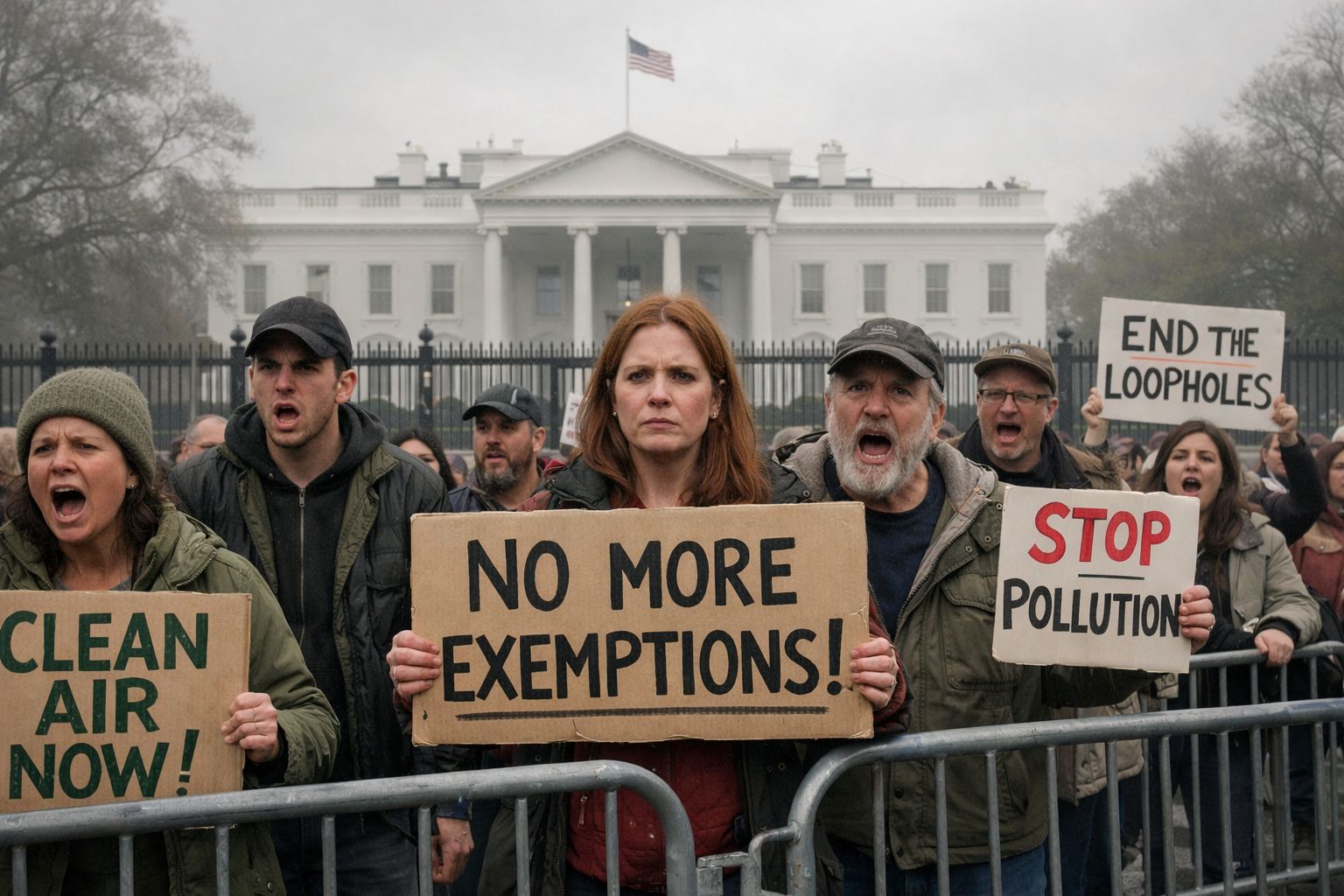
Environmental organizations have launched a legal challenge against the White House, accusing the administration of improperly granting air pollution exemptions to industrial facilities. The lawsuit centers on a controversial decision to delay enforcement of stricter toxic air pollution monitoring requirements, a move critics say weakens public health protections and undermines the intent of federal environmental law.
The case highlights a growing conflict between environmental advocates and federal policymakers over how aggressively the government should enforce air quality standards, particularly for industries linked to hazardous emissions.
Table of Contents
What Triggered the Legal Challenge
The dispute stems from a White House proclamation that allowed several industrial facilities to postpone compliance with new air pollution monitoring rules. These rules were designed to strengthen oversight of hazardous air pollutants, including benzene, a chemical linked to cancer and other serious health risks.
Under existing regulations, affected facilities were expected to begin enhanced monitoring within a defined timeframe. The White House action effectively granted these plants additional years to meet those requirements. Environmental groups argue that this delay exposes nearby communities to unnecessary health risks.
Why Environmental Groups Oppose the Exemptions
Environmental organizations contend that the exemptions prioritize industrial convenience over public health. According to the lawsuit, delaying pollution monitoring limits regulators ability to identify harmful emissions and take corrective action when pollution exceeds safe levels.
Advocates also argue that communities living near heavy industrial sites already face disproportionate exposure to toxic air pollutants. Any delay in enforcement, they say, compounds existing environmental justice concerns and weakens safeguards meant to protect vulnerable populations.
The Clean Air Act at the Center of the Case
At the heart of the lawsuit is the interpretation of the Clean Air Act. Environmental groups claim the administration misused a rarely invoked provision of the law to justify the exemptions.
They argue that the Clean Air Act allows limited flexibility only under narrow circumstances and does not permit broad delays that weaken emission controls. By extending compliance deadlines, the lawsuit claims, the White House exceeded its legal authority and bypassed the role of the Environmental Protection Agency in enforcing air quality standards.
Industry and Government Justifications
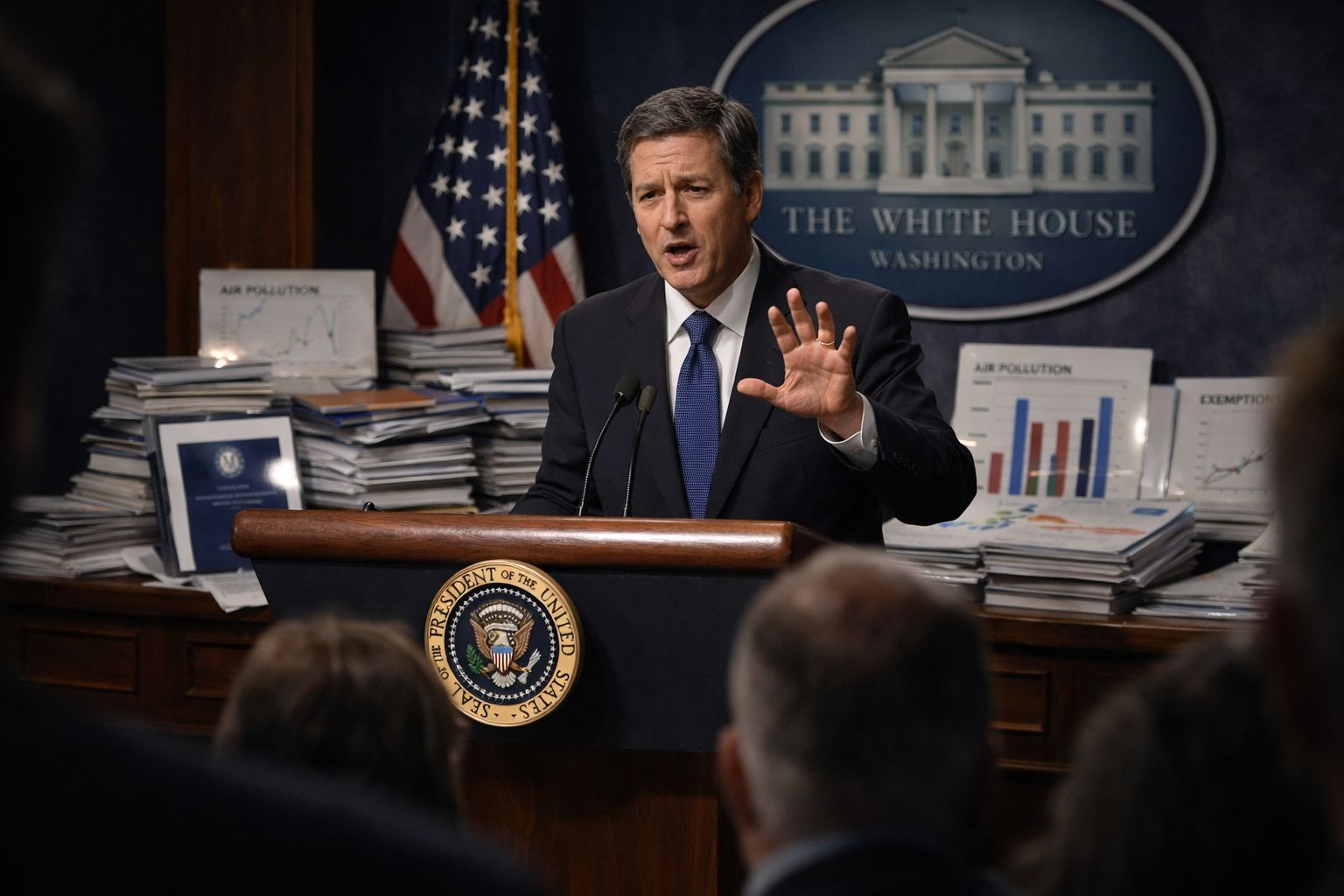
Supporters of the exemptions argue that the delays are necessary to give facilities time to install complex monitoring equipment and adjust to updated regulations. Industry representatives maintain that immediate enforcement could disrupt operations without delivering significant short term public health benefits.
The administration has framed the move as a lawful and pragmatic use of executive authority. Officials say the exemptions are temporary and do not eliminate pollution limits, only the timeline for compliance.
Broader Implications for Environmental Policy
This lawsuit is part of a broader pattern of legal challenges brought by environmental groups against federal decisions that delay or relax pollution controls. Similar cases have questioned exemptions granted to refineries, chemical plants, and power facilities.
If the court sides with the environmental groups, the ruling could limit future use of executive authority to delay environmental regulations. It could also reinforce the role of federal agencies in setting and enforcing air quality standards without political interference.
What Happens Next
The case will move through federal court, where judges will assess whether the White House acted within the boundaries of the Clean Air Act. A decision could take months and may ultimately be appealed.
For now, the outcome will be closely watched by environmental advocates, industry leaders, and policymakers alike. The ruling could shape how future administrations balance economic considerations with the enforcement of air pollution laws and public health protections.
Conclusion
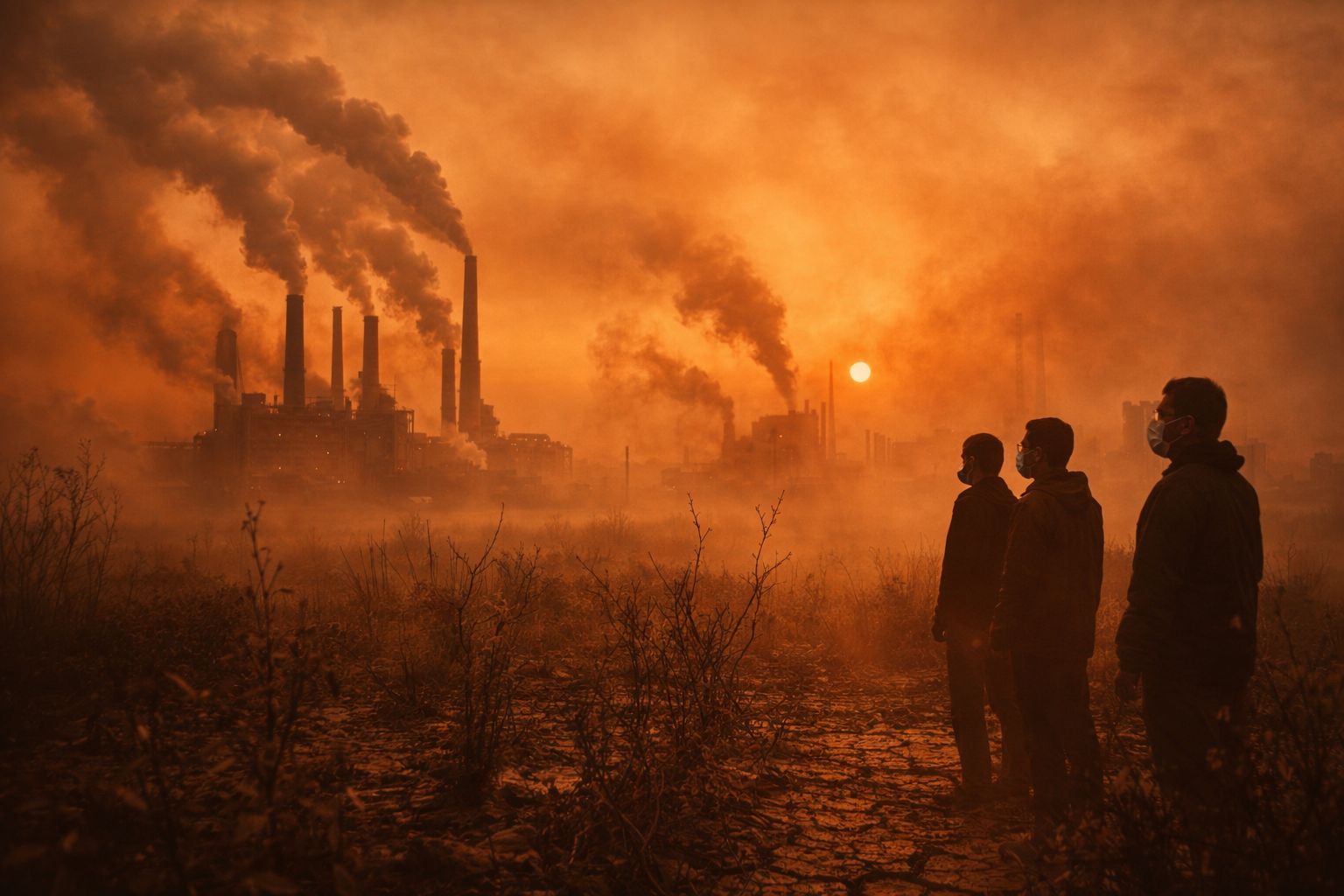
Air pollution remains a major public health issue in the United States, contributing to respiratory illness, cardiovascular disease, and premature deaths. How the federal government enforces air quality laws directly affects millions of people living near industrial sites.
The challenge against the White House underscores a fundamental question in environmental policy. Should regulatory flexibility take precedence during industrial transitions, or should public health protections remain non negotiable. The court’s answer may set a defining precedent for years to come.
FAQs
What is the lawsuit against the White House about
Environmental groups are challenging the White House for granting temporary air pollution exemptions to certain industrial facilities. They argue the decision unlawfully delays enforcement of stricter pollution monitoring rules and puts public health at risk.
Which pollution rules are involved in the dispute
The case focuses on delayed monitoring requirements for hazardous air pollutants, particularly benzene. Benzene is a toxic chemical linked to cancer and other serious health conditions.
Why do environmental groups oppose these exemptions
Environmental advocates say postponing enforcement weakens oversight, allows harmful emissions to go undetected, and disproportionately affects communities living near industrial sites. They argue public health protections should not be delayed for industrial convenience.
What law is at the center of the legal challenge
The lawsuit centers on the Clean Air Act. Plaintiffs claim the administration misused a narrow provision of the law to justify broad delays in pollution control enforcement.
What role does the EPA play in this issue
Environmental groups argue the decision undermines the authority of the Environmental Protection Agency, which is responsible for enforcing air quality standards and monitoring hazardous emissions.
How does the government justify the exemptions
The administration and industry supporters say the delays give facilities time to install complex monitoring equipment and adapt to new regulations without disrupting operations.
You May Also Like
🌱 New Study Reveals Over 3,500 Animal Species Threatened by Climate Change ⚠️🦋
🌱 How China’s Tourism Industry Is Embracing Renewable Energy to Go Green ✈️🌍
🌱 Extreme Heat is Coming for Our Kids—Will We Act in Time? 🔥⚠️
🌱 Are Rising Tariffs Slowing Down the Clean Energy Revolution? ⚡💸
🌱 England's Water Pollution Hits Decade High: What's Going Wrong? 🐟🚨
External Links
Follow Us:
X: https://www.x.com/greenglownews
Youtube: https://www.youtube.com/@greenglownews
Instagram: https://www.instagram.com/greenglownews
Sponsored Links