- Green Glow
- Posts
- 🌱 Germany and Africa Unite to Build the Future of Green Hydrogen 🤝 🌍
🌱 Germany and Africa Unite to Build the Future of Green Hydrogen 🤝 🌍
Germany and African nations are joining forces to build the future of green hydrogen. Discover how their partnership combines renewable energy resources and technological innovation to accelerate global decarbonization, support economic growth, and reshape the international clean energy market.

Green Glow
December 01, 2025
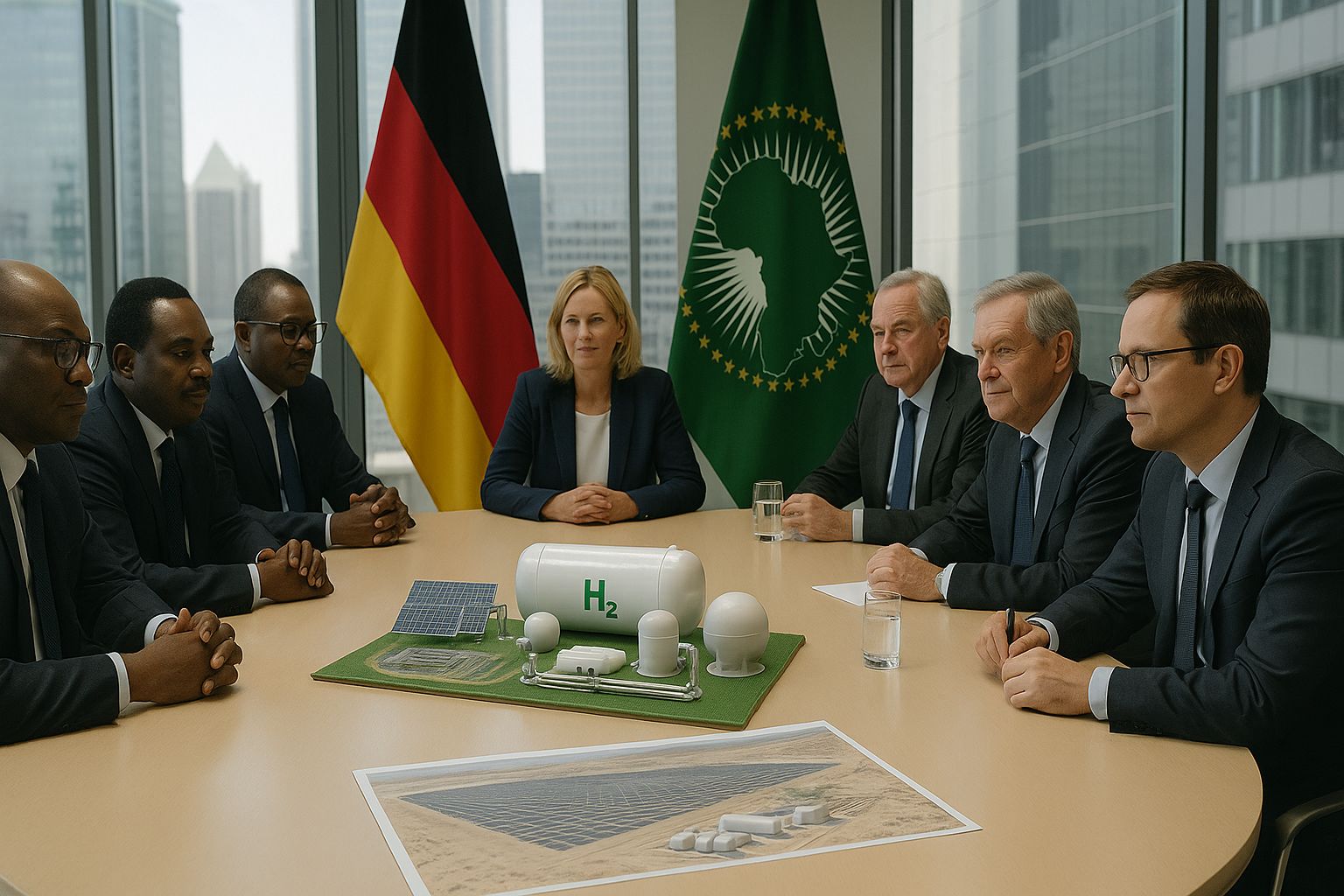
A new era of clean energy collaboration is emerging as Germany and African nations join forces to accelerate the global transition to sustainability. At the center of this momentum is the development of large scale green hydrogen projects designed to reduce emissions, power industries, and reshape global energy supply chains. The partnership combines Germany’s technological expertise with Africa’s abundant renewable resources, creating a roadmap for energy independence and environmental progress.
Table of Contents
The Strategic Importance of Green Hydrogen
Green hydrogen is produced from water using electricity generated from renewable sources such as solar or wind. Unlike fossil fuels, it generates no carbon emissions during use. Because of this, governments and industries around the world view it as a key solution for decarbonizing sectors that are difficult to electrify. These sectors include heavy manufacturing, shipping, steel production, and aviation. Green hydrogen can also be converted into green ammonia, which can be transported more easily for international trade.
Why Germany Is Looking to Africa
Germany has been investing heavily in clean energy innovation. However, its limited landmass and high population density make large scale renewable hydrogen production difficult. To secure long term climate friendly energy supplies, Germany is forming strategic alliances with countries that possess vast solar and wind potential. African nations are among the most promising partners due to year round sunshine, strong coastal winds, and availability of large undeveloped land suitable for renewable energy projects.
The NAYRAH Project in Mauritania
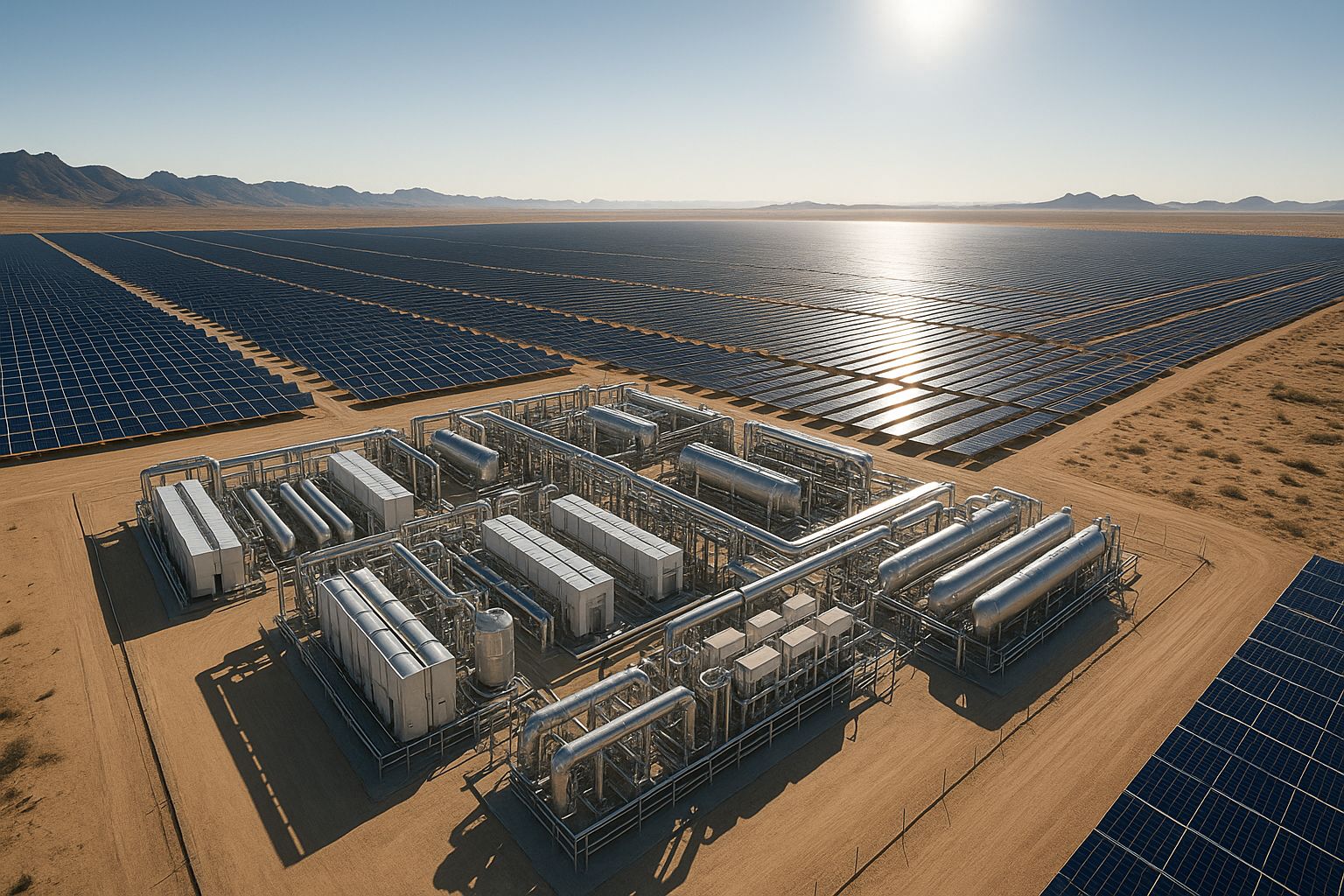
A major milestone in this partnership is the NAYRAH project. The German energy company Möhring Energie Holding GmbH has signed a framework agreement with the government of Mauritania to build an industrial scale hydrogen and ammonia plant. The facility is expected to generate up to 140,000 tons of green hydrogen and 400,000 tons of green ammonia every year once operations begin. The project takes advantage of Mauritania’s ideal geographic and climatic conditions, which allow renewable electricity to be produced at highly competitive costs.
Benefits for Africa
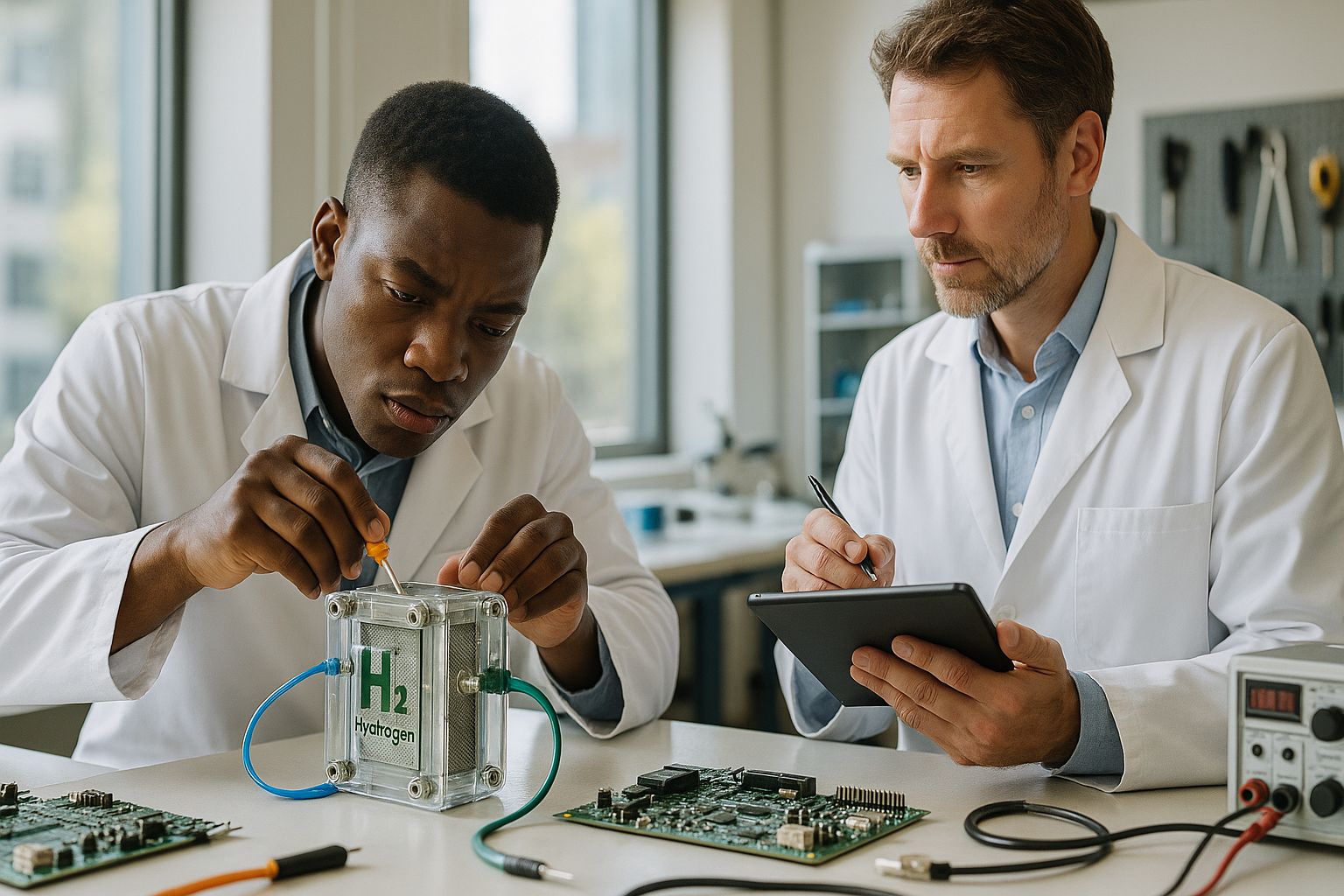
The green hydrogen transition represents more than energy exports for African countries. It opens doors to long term socioeconomic growth. Hydrogen plants and supporting infrastructure create thousands of direct and indirect jobs in construction, engineering, logistics, and research. This sector has the potential to attract foreign investment, expand industrial capabilities, and strengthen Africa’s role in global climate solutions. The partnership also supports technology transfer, capacity building, and skills development for local workers.
Economic and Environmental Advantages for Germany
For Germany, the collaboration provides access to large quantities of carbon neutral energy that can replace fossil fuel imports. Green hydrogen strengthens national energy security and supports the decarbonization goals outlined in Germany’s climate protection strategy. Importing hydrogen and ammonia from Africa also reduces dependence on volatile global natural gas markets. The move helps German industries maintain competitiveness as international climate regulations become stricter.
A Model for Global Energy Cooperation
The alliance between Germany and Africa demonstrates that the path to a sustainable planet relies on international partnerships. No single country can build the energy system of the future alone. Clean energy projects that cross borders create shared economic benefits and accelerate innovation. If successfully implemented, NAYRAH could become a blueprint for similar agreements between Europe, Africa, and other regions.
Challenges That Must Be Addressed
While the potential is significant, success will depend on overcoming several challenges. These include building transportation and storage networks for hydrogen and ammonia, securing consistent financing, ensuring political stability, and maintaining transparency in economic benefits. Environmental considerations must also be managed carefully to guarantee that renewable energy projects support sustainable development for local populations.
Conclusion
Germany and African nations are working together to unlock the full potential of green hydrogen. Their shared commitment marks an important step forward in the global clean energy transformation. By combining technology, natural resources, and long term vision, both regions are helping to build an energy system that supports climate stability, economic growth, and a cleaner future for generations to come. The collaboration stands as an inspiring example of how international partnerships can turn sustainability goals into reality.
FAQs
What is green hydrogen?
Green hydrogen is hydrogen produced by splitting water using electricity generated from renewable energy sources such as solar and wind. The process emits no carbon dioxide, making it a clean alternative to fossil fuels.
Why are Germany and African countries collaborating on hydrogen?
Germany needs large scale clean energy to meet its climate targets but has limited land for massive renewable projects. African nations have ideal conditions for solar and wind energy production. The partnership benefits both regions by combining resources, technology, and capital.
What is the NAYRAH project?
The NAYRAH project is a large green hydrogen and green ammonia initiative in Mauritania led by Möhring Energie Holding GmbH from Germany. It is expected to produce 140,000 tons of hydrogen and 400,000 tons of ammonia annually once operational.
How will green hydrogen benefit African countries?
African nations stand to gain from job creation, increased foreign investment, industrial development, technological advancement, and stronger positions in the global clean energy market.
Will green hydrogen help Germany reduce carbon emissions?
Yes. Importing hydrogen produced from renewable sources will allow Germany to replace fossil fuel energy in industrial sectors, helping meet national climate goals and decrease reliance on natural gas.
You May Also Like
🌱 Climate Change Is Coming for Farmers—Rich and Poor Alike 🌦️👨🌾
🌱 Are Rising Tariffs Slowing Down the Clean Energy Revolution? ⚡💸
🌱 Airport Pollution Blamed for Lamb Loss: A Farmer's Devastating Story 😢🐑
🌱 How China’s Tourism Industry Is Embracing Renewable Energy to Go Green ✈️🌍
🌱 Extreme Heat is Coming for Our Kids—Will We Act in Time? 🔥⚠️
External Links
Follow Us:
X: https://www.x.com/greenglownews
Youtube: https://www.youtube.com/@greenglownews
Instagram: https://www.instagram.com/greenglownews
Sponsored Links