- Green Glow
- Posts
- 🌱 Five Common Renewable Energy Myths Explained 🌎🔍
🌱 Five Common Renewable Energy Myths Explained 🌎🔍
Five Common Renewable Energy Myths Explained explores the truth about reliability, cost, wildlife impacts, electric vehicles, and climate solutions using evidence based insights.

Green Glow
January 12, 2026
Renewable energy has moved from the margins to the center of global energy debates. Wind, solar, and electric technologies are expanding rapidly, yet public discussion is still shaped by persistent myths that distort how these systems actually work. Misunderstandings about reliability, cost, environmental impact, and effectiveness continue to slow adoption and confuse policy choices.
This article explains five of the most common renewable energy myths and clarifies what the evidence shows.
Table of Contents

Myth 1: Renewable Energy Is Unreliable
A common claim is that renewable energy cannot power modern societies because the sun does not always shine and the wind does not always blow.
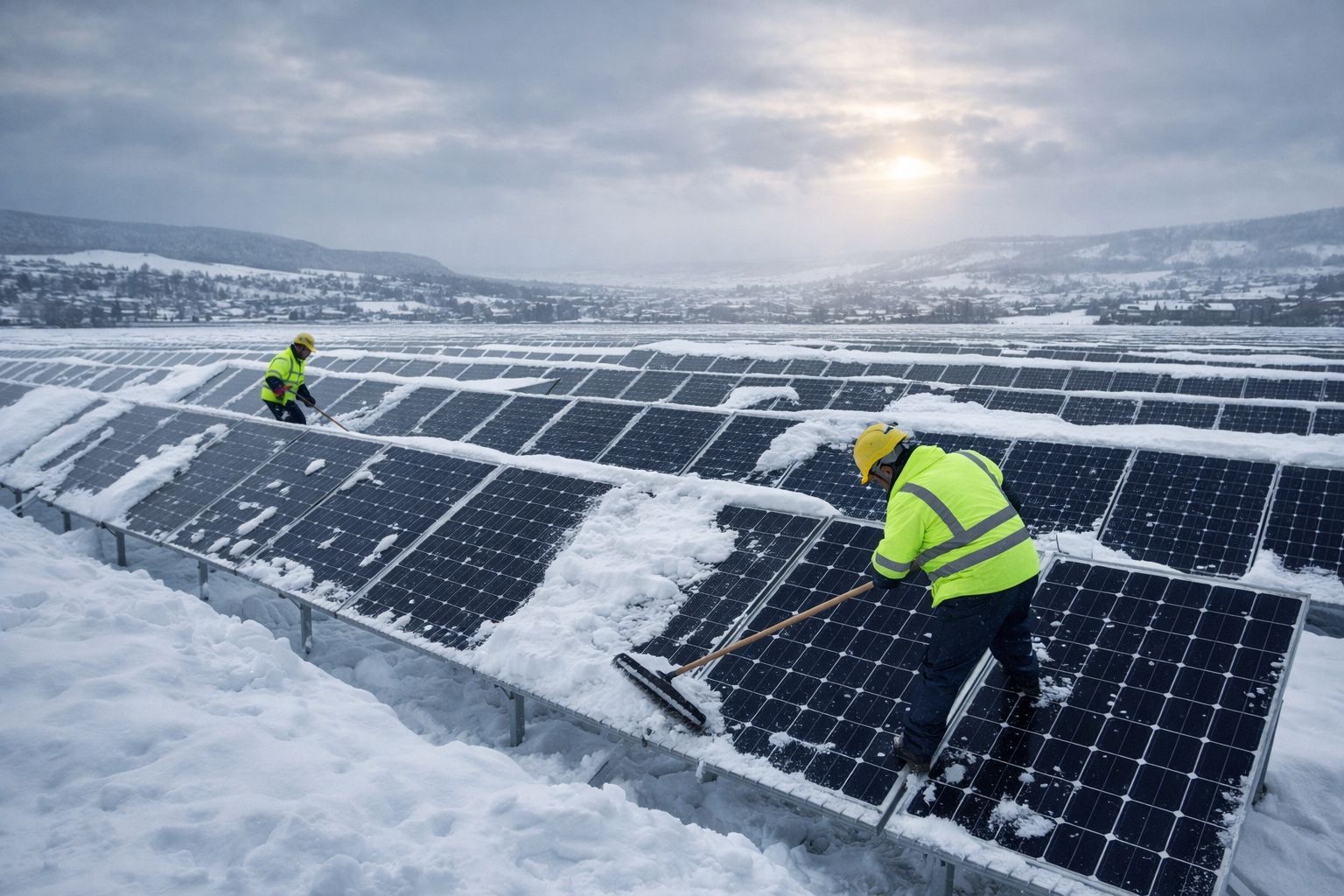
In reality, electricity grids already manage variability from many sources, including fossil fuel plants that fail during heatwaves, cold snaps, or fuel shortages. Renewable systems rely on geographic diversity, meaning when wind or solar output drops in one area, it often rises in another. Grid operators balance this variation using forecasting, flexible demand, transmission networks, and increasingly, energy storage.
Countries and regions with high renewable shares continue to maintain reliable electricity systems. Reliability is a grid management challenge, not a renewable energy flaw.
Myth 2: Solar Power Is Too Expensive for Most People
Solar energy is often described as a luxury technology that only works with heavy subsidies.
The reality is that solar costs have fallen dramatically over the past few decades. Advances in manufacturing, global supply chains, and efficiency have made solar one of the cheapest sources of electricity in many regions. Over the lifetime of a solar installation, electricity costs are often lower than power generated from coal or gas.
In addition, options like community solar programs allow renters and households without suitable rooftops to benefit from solar energy without owning panels.
Myth 3: Wind Energy Is a Major Threat to Wildlife
Wind turbines are frequently blamed for large scale harm to birds and marine life.
While turbines do cause some wildlife fatalities, studies consistently show that these impacts are small compared with other human activities such as building collisions, vehicle traffic, habitat destruction, and fossil fuel pollution. Offshore wind projects have also been accused of harming whales, yet there is no credible evidence linking wind farms to whale deaths. Most marine mammal fatalities are caused by ship strikes or fishing gear entanglement.
Modern wind projects increasingly use mitigation strategies such as improved turbine placement, blade visibility techniques, and temporary shutdowns during migration periods.
Myth 4: Electric Vehicles Are Not Practical
Electric vehicles are often criticized as unreliable, short range, or unsuitable for everyday use.
This perception is largely outdated. Modern electric vehicles commonly exceed 300 miles on a single charge, which is more than enough for typical daily driving. Charging infrastructure continues to expand, and most charging occurs at home or work rather than public stations.
Electric vehicles are also highly energy efficient. When powered by renewable electricity, they significantly reduce emissions and operating costs compared with gasoline vehicles.
Myth 5: Renewable Energy Alone Can Instantly Solve Climate Change
Some supporters and critics alike assume that simply switching to renewables will immediately fix the climate crisis.
Renewable energy is essential, but it is not a single step solution. Deep emissions reductions also require improvements in energy efficiency, electrification of transport and heating, grid upgrades, storage expansion, and supportive policy frameworks. Current renewable deployment is helping slow future warming, but expansion must accelerate to meet climate targets.
Recognizing both the power and the limits of renewables leads to more realistic and effective climate strategies.
Why These Myths Persist
Renewable energy myths persist because energy systems are complex and change takes time. Fossil fuel infrastructure dominated for over a century, shaping expectations about how electricity should behave and what it should cost. Misinformation, political narratives, and selective data further reinforce outdated views.
Clear communication and evidence based discussion are critical to informed public decision making.
Conclusion
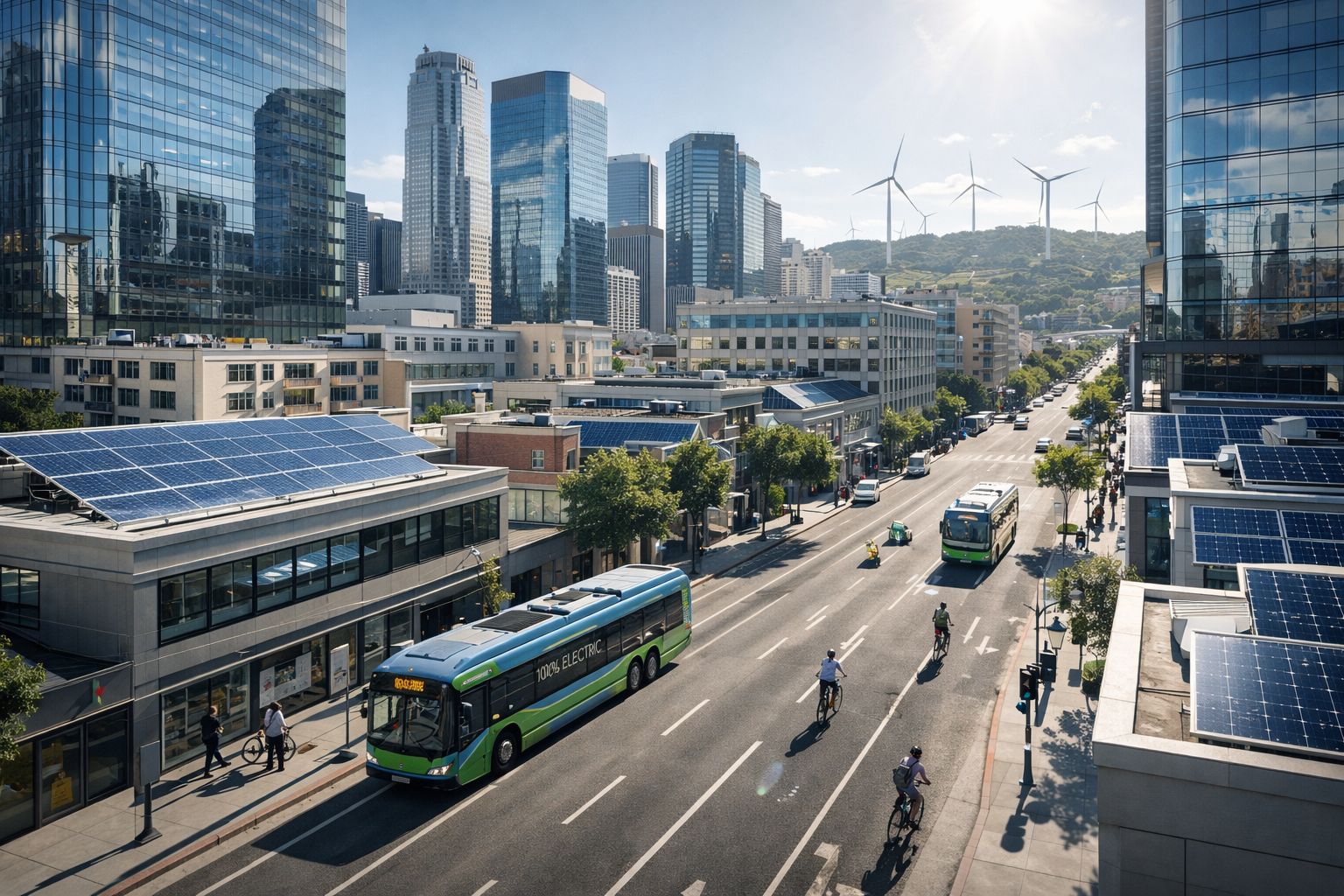
Renewable energy is not perfect, but many of the strongest criticisms are rooted in misconceptions rather than facts. Modern grids can handle variability, costs have fallen sharply, environmental impacts are manageable, electric vehicles are increasingly practical, and renewables play a central role in climate solutions.
Understanding the reality behind these myths allows societies to make better energy choices and plan a more resilient future.
FAQs
Is renewable energy reliable enough for national power grids?
Yes. Grid reliability depends on system design, forecasting, and flexibility. Renewable energy performs reliably when integrated with modern grid management and storage.
Are renewables cheaper than fossil fuels?
In many regions, yes. Wind and solar are often the lowest cost sources of new electricity when considering lifetime costs.
Do wind turbines kill large numbers of birds?
They cause some fatalities, but far fewer than buildings, vehicles, and habitat loss. Improved technology continues to reduce impacts.
Are electric vehicles suitable for cold or hot climates?
Yes. EVs operate in a wide range of climates. Battery performance can vary, but modern systems are designed to handle temperature extremes.
Can renewable energy stop climate change by itself?
No. Renewables are essential but must be combined with efficiency, electrification, and policy action to achieve climate goals.
You May Also Like
External Links
Follow Us:
X: https://www.x.com/greenglownews
Youtube: https://www.youtube.com/@greenglownews
Instagram: https://www.instagram.com/greenglownews
Sponsored Links