- Green Glow
- Posts
- 🌱 Climate Change Is the Real Biodiversity Killer, Not Renewable Energy Projects 🐾⚠️
🌱 Climate Change Is the Real Biodiversity Killer, Not Renewable Energy Projects 🐾⚠️
Climate change poses a far greater threat to biodiversity than renewable energy projects. Learn why experts say clean energy is essential to protecting ecosystems and wildlife worldwide.

Green Glow
December 28, 2025
As the global transition to clean energy accelerates, wind and solar projects are increasingly scrutinized for their local environmental impacts. While concerns about habitat disturbance and wildlife protection are legitimate and deserve careful planning, a growing body of scientific evidence makes one conclusion clear. Climate change poses a far greater and more systemic threat to biodiversity than renewable energy projects ever could.
Across ecosystems, continents, and species, climate change is already reshaping the natural world at a speed that far exceeds nature’s ability to adapt.
Table of Contents
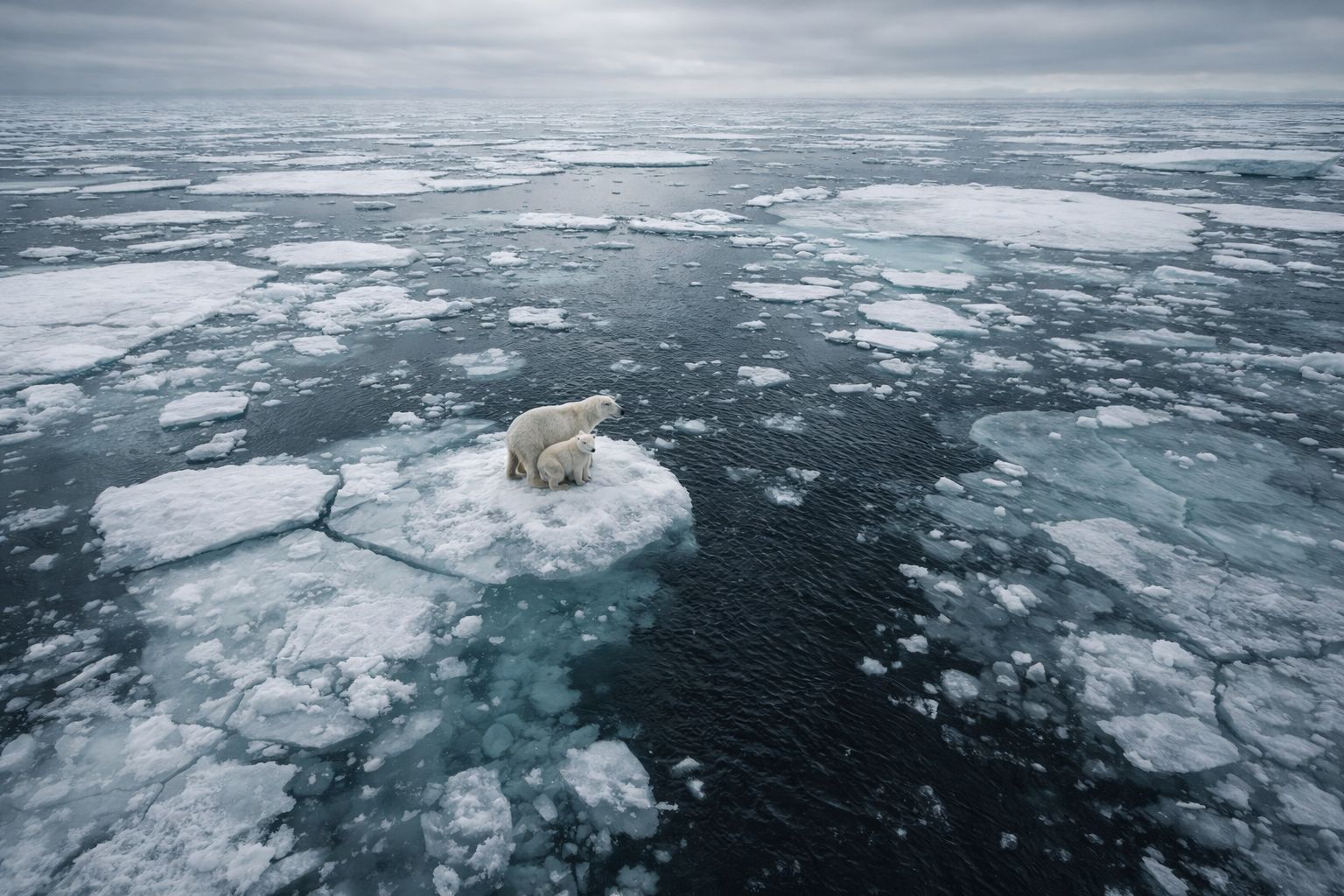
Biodiversity Is Already Under Severe Stress
Biodiversity refers to the variety of life on Earth, from genes and species to entire ecosystems. Healthy biodiversity underpins food systems, water security, climate regulation, and human health. Yet global biodiversity is declining at an alarming rate.
Scientists warn that the planet is experiencing a mass extinction event driven primarily by rising temperatures, altered rainfall patterns, ocean warming, and extreme weather. These forces disrupt breeding cycles, shrink habitats, and push species beyond their physiological limits.
According to the Intergovernmental Panel on Climate Change, climate change is now a major driver of species loss, rivaling land use change and pollution in its long term impact.
How Climate Change Destroys Ecosystems
Climate change affects biodiversity in ways that are widespread, cumulative, and often irreversible.
Rising global temperatures force species to migrate to cooler areas. Many cannot move fast enough or find suitable habitat. Coral reefs bleach and die as oceans warm. Wetlands dry out or flood permanently. Forests become more vulnerable to pests, drought, and wildfire.
Extreme weather events compound the damage. Heatwaves kill birds and mammals outright. Floods wash away nesting grounds. Droughts collapse food chains. These impacts occur across entire regions, not just specific project sites.
Once ecosystems cross critical thresholds, recovery becomes increasingly unlikely even if emissions are later reduced.
Renewable Energy Has Local Impacts but Global Benefits
Renewable energy projects, including wind farms and solar installations, do have localized environmental impacts. These can include land disturbance, visual changes, and risks to birds and bats if projects are poorly sited.
However, these impacts are site specific, measurable, and manageable. Through environmental assessments, improved turbine design, operational curtailment, and strategic placement, many risks can be significantly reduced.
By contrast, fossil fuel based energy systems cause widespread harm through air pollution, water contamination, and greenhouse gas emissions that destabilize the climate itself. Every new renewable energy project that displaces fossil fuel generation reduces long term pressure on ecosystems worldwide.

Climate Inaction Magnifies Every Other Threat
One of the most important points made by climate scientists is that climate change does not act alone. It amplifies all existing pressures on biodiversity.
Habitat fragmentation becomes more dangerous when species must migrate due to warming. Pollution becomes more toxic as water temperatures rise. Invasive species spread more easily in altered climates.
Delaying renewable energy deployment in the name of protecting nature can backfire. Without clean energy, emissions remain high, and climate driven ecosystem collapse accelerates. In this context, opposing renewable projects without viable alternatives risks worsening the very biodiversity losses critics seek to prevent.
Planning Better, Not Blocking Progress
The solution is not to choose between biodiversity and renewable energy. It is to plan renewable energy development intelligently.
Experts increasingly call for clear conservation zoning that identifies high value ecosystems where development should be avoided. At the same time, they advocate fast tracking projects in lower impact areas such as degraded land, existing plantations, and industrial zones.
Better data, long term monitoring, and community engagement all play a role. When done correctly, renewable energy expansion and biodiversity protection can move forward together.
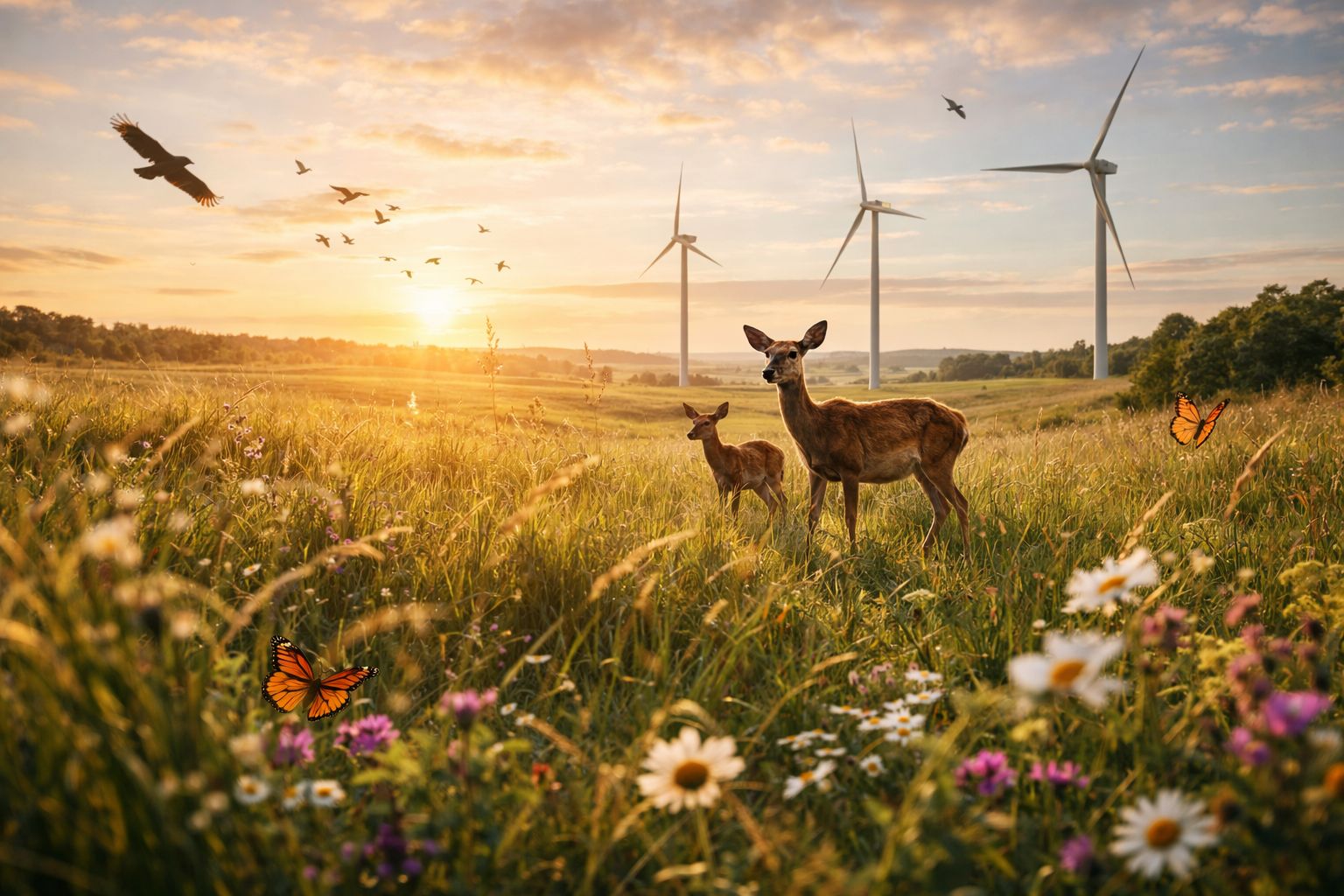
Conclusion
Scientific consensus is clear. Climate change is the dominant long term threat to biodiversity, and addressing it is essential for the survival of countless species.
Renewable energy is not the enemy of nature. It is one of the most powerful tools available to protect ecosystems from climate driven collapse. The challenge lies in building it responsibly, not stopping it altogether.
Protecting biodiversity in the twenty first century requires confronting the climate crisis head on. Clean energy is not a distraction from that goal. It is a cornerstone of it.
FAQs
Why is climate change considered a bigger threat to biodiversity than renewable energy projects?
Climate change affects ecosystems on a global scale through rising temperatures, extreme weather, sea level rise, and shifting rainfall patterns. These impacts disrupt habitats, food chains, and species survival across entire regions, whereas renewable energy projects tend to have localized and manageable effects.
Do renewable energy projects harm wildlife and ecosystems?
Renewable energy projects can have local environmental impacts, such as habitat disturbance or collision risks for birds and bats. However, these impacts can be reduced through careful site selection, environmental assessments, improved technology, and mitigation measures.
How does climate change impact biodiversity directly?
Climate change alters natural conditions that species depend on, including temperature, water availability, and seasonal cycles. This can lead to habitat loss, reduced breeding success, forced migration, and higher extinction risks for vulnerable species.
Can renewable energy development and biodiversity protection coexist?
Yes. With strategic planning, clear conservation zones, and responsible project design, renewable energy development can coexist with biodiversity protection while also helping to reduce the climate impacts that threaten ecosystems globally.
You May Also Like
🌱 Climate Change Is Coming for Farmers—Rich and Poor Alike 🌦️👨🌾
🌱 Are Rising Tariffs Slowing Down the Clean Energy Revolution? ⚡💸
🌱 Airport Pollution Blamed for Lamb Loss: A Farmer's Devastating Story 😢🐑
🌱 How China’s Tourism Industry Is Embracing Renewable Energy to Go Green ✈️🌍
🌱 Extreme Heat is Coming for Our Kids—Will We Act in Time? 🔥⚠️
External Links
Follow Us:
X: https://www.x.com/greenglownews
Youtube: https://www.youtube.com/@greenglownews
Instagram: https://www.instagram.com/greenglownews
Sponsored Links