- Green Glow
- Posts
- 🌱 China Leads the World in Renewable Energy Jobs Growth ⚡👷
🌱 China Leads the World in Renewable Energy Jobs Growth ⚡👷
China leads the world in renewable energy jobs growth, driven by solar power dominance, industrial strategy, and workforce investment. Learn why global job distribution remains uneven.

Green Glow
January 13, 2026
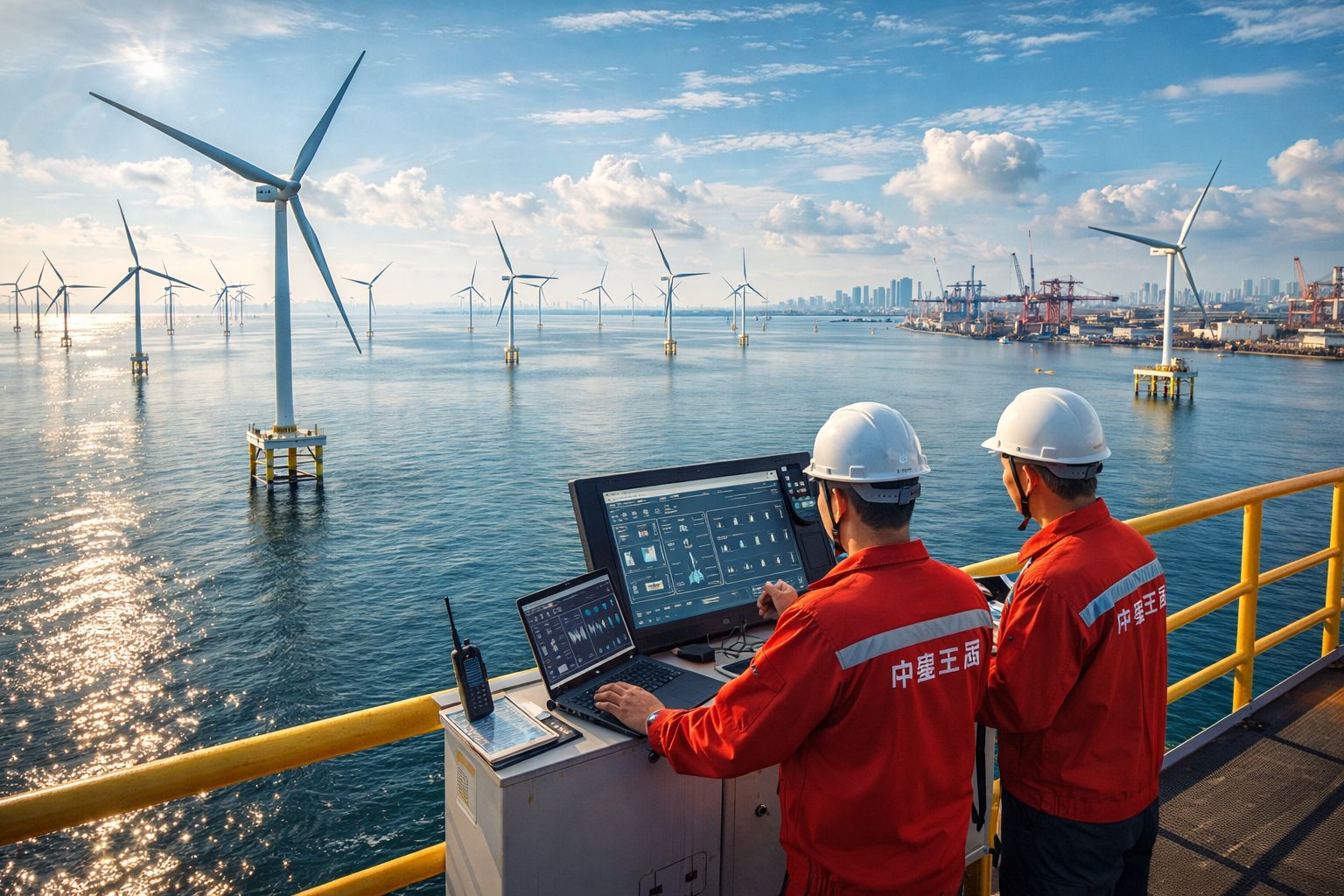
China has emerged as the undisputed global leader in renewable energy employment, accounting for nearly half of all green energy jobs worldwide. As the clean energy transition accelerates, China’s dominance highlights both the scale of its industrial capacity and the growing imbalance in how renewable jobs are distributed across regions.
Table of Contents
Global Renewable Energy Employment at a Glance
The global renewable energy sector employed approximately 16.6 million people in 2024. While overall employment continued to grow, the pace slowed compared with previous years. Despite this moderation, renewable energy remains one of the fastest growing sources of new jobs globally, particularly in manufacturing, construction, and operations linked to clean power technologies.
China alone accounted for about 7.3 million renewable energy jobs, representing roughly 44 percent of the global total. No other country comes close to matching this scale, underscoring China’s central role in shaping the global energy workforce.
Why China Dominates Renewable Energy Jobs
China’s leadership is driven by a combination of long term industrial policy, massive domestic deployment, and global supply chain control. Over the past decade, the country has invested heavily in renewable manufacturing, especially solar photovoltaic production.
Large scale factories, vertically integrated supply chains, and consistent government support have allowed Chinese companies to reduce costs and expand rapidly. This has translated into millions of jobs across manufacturing, installation, logistics, and maintenance.
In addition, China’s vast domestic market continues to absorb new renewable capacity at scale, sustaining employment even as global demand fluctuates.
Solar Power as the Main Employment Engine
Solar photovoltaic energy is the single largest contributor to renewable energy employment worldwide. Of the estimated 7.3 million solar related jobs globally, around 4.2 million are located in China.
These jobs span the entire value chain, including raw material processing, panel manufacturing, system integration, project development, and grid connection. China’s dominance in solar manufacturing has made it the backbone of global solar supply, reinforcing its position as the largest employer in the sector.
Slowing Growth and Regional Imbalance
Although renewable energy jobs grew by about 2.3 percent in 2024, the overall growth rate has slowed. Rising automation, efficiency gains, and price competition have tempered job expansion in some regions.
At the same time, the geographic imbalance has widened. Asia, led overwhelmingly by China, continues to capture the majority of renewable energy employment. Europe maintains a stable but slower growing workforce, while many developing regions struggle to build domestic capacity.
This imbalance raises concerns about whether the global energy transition will deliver inclusive economic benefits.

Africa’s Untapped Renewable Jobs Potential
Africa holds vast renewable energy resources, including solar, wind, and hydropower. Yet the continent accounts for only a small share of global renewable energy jobs.
Rapid population growth and rising energy demand make Africa a critical region for future clean energy expansion. However, limited manufacturing capacity, financing constraints, and skills shortages continue to slow job creation.
International cooperation is increasingly seen as a pathway to address these challenges. Partnerships focused on technology transfer, training, and local supply chain development could help African countries capture more value from renewable energy investments.
The Role of Skills and Workforce Development
Recent global energy employment assessments by organizations such as International Renewable Energy Agency and the International Labour Organization emphasize that renewable energy policy must focus on people as much as infrastructure.
Building a sustainable renewable workforce requires targeted investment in education, vocational training, and reskilling programs. Without a skilled labor base, countries risk remaining dependent on imported technology and expertise, limiting long term economic benefits.
China’s experience demonstrates how aligning industrial strategy with workforce development can create durable employment growth.
What China’s Lead Means for the Global Energy Transition
China’s dominance in renewable energy jobs reflects its broader leadership in clean energy manufacturing and deployment. While this has helped lower global costs and accelerate adoption, it also highlights the uneven distribution of economic gains from the energy transition.
For other regions, the challenge is not simply to install renewable capacity but to build domestic industries and skilled workforces that can support long term growth. Achieving a truly global and inclusive energy transition will depend on whether more countries can replicate parts of China’s success while adapting strategies to local conditions.

Conclusion
China leads the world in renewable energy jobs growth through scale, strategy, and sustained investment. Its success underscores the economic potential of the clean energy transition but also exposes widening regional gaps in employment and capacity.
As renewable energy continues to reshape the global economy, the next phase will be defined not only by how much clean power is installed, but by who builds it, who maintains it, and who benefits from the jobs it creates.
FAQs
Why does China lead the world in renewable energy jobs?
China leads due to long term industrial planning, large scale manufacturing capacity, strong government support, and massive domestic deployment of renewable energy, especially solar power.
How many renewable energy jobs does China have?
China accounts for approximately 7.3 million renewable energy jobs, representing about 44 percent of the global total.
Which renewable energy sector creates the most jobs?
Solar photovoltaic energy is the largest employer globally, with millions of jobs across manufacturing, installation, and maintenance. China alone hosts more than half of the world’s solar related jobs.
Is renewable energy job growth slowing globally?
Yes. While renewable energy employment is still growing, the pace has slowed due to automation, efficiency gains, and cost pressures in mature markets.
You May Also Like
🌱 Can Clean Energy Be Reliable? Tackling the Renewable Power Paradox ⚡🔋
🌱 Why the UK’s Early Heatwave Is a Clear Sign of Climate Change 🔥🌡️
🌱 How Low-Level Air Pollution Quietly Damages Your Heart Over Time 💔💨
🌱 China Is Winning the Green Tech War. The U.S. Isn't Even Fighting 🌞🔋
🌱 16 Game-Changing Actions Cities Can Take to Combat Climate Change 🌆♻️
External Links
Countries must protect human right to a stable climate, court rules
Mauna Loa Observatory captured the reality of climate change. The US plans to shut it down
Climate change cuts milk production, even when farmers cool their cows
Explainer: Do international carbon credits fight climate change?
Coral transplants could help save Miami’s iconic reefs from climate change
Follow Us:
X: https://www.x.com/greenglownews
Youtube: https://www.youtube.com/@greenglownews
Instagram: https://www.instagram.com/greenglownews
Sponsored Links