- Green Glow
- Posts
- 🌱 Can the World Tackle Climate Change Without the United States? 🌍⚖️
🌱 Can the World Tackle Climate Change Without the United States? 🌍⚖️
Can the world fight climate change without the United States? Explore how global climate efforts are evolving after America’s withdrawal from COP30, the challenges of leadership gaps, and the rise of new players driving climate action.

Green Glow
November 27, 2025
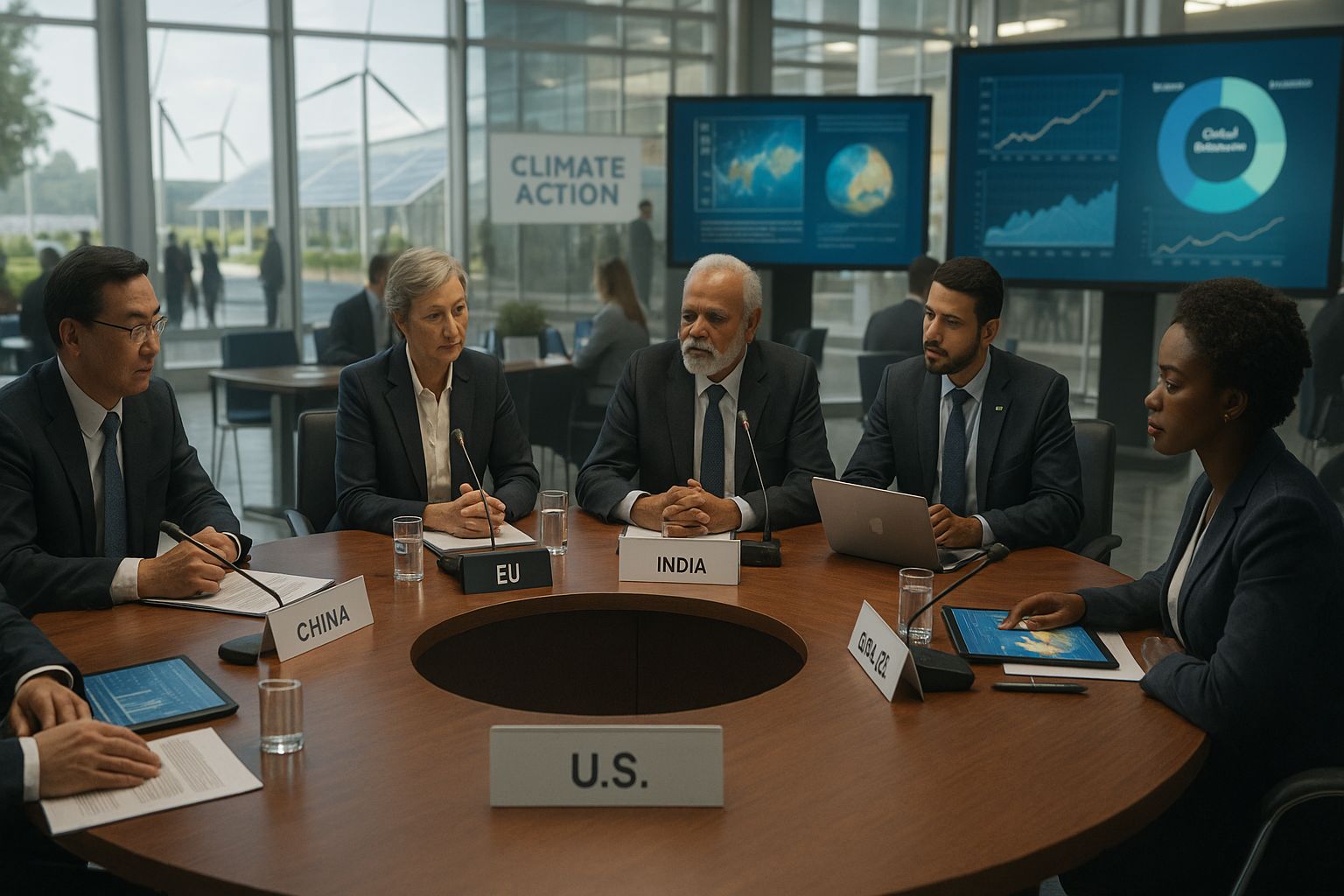
The 2025 COP30 climate summit in Belém, Brazil, marked a historic moment in global climate politics. For the first time, the United States—the world’s second-largest carbon emitter—did not send an official delegation. This absence raised a critical question: can the world realistically combat climate change without American leadership? As global temperatures continue to rise and extreme weather events intensify, the answer carries implications for every nation, economy, and future generation.
Table of Contents
The Scale of the Challenge
Climate change is a global problem that requires collective action. Yet the world’s emissions are far from evenly distributed. The United States accounts for roughly 14% of global CO₂ emissions and has historically contributed more greenhouse gases than any other country. It also holds enormous influence through its technology, finance, and international partnerships. Without the U.S. leading or at least participating, global climate cooperation becomes fragmented and less effective.
Why the U.S. Matters in the Global Climate Fight
The U.S. is not only a major emitter but also a critical source of innovation and funding for clean energy. American companies and research institutions drive technological advancements in solar, wind, battery storage, and carbon capture. Moreover, the U.S. has been a cornerstone of climate financing, contributing billions of dollars to help developing countries adapt and transition to low-carbon systems.
When the U.S. steps away, it leaves both a leadership vacuum and a funding gap. Many developing nations depend on American-backed financial mechanisms like the Green Climate Fund. Without those resources, efforts to reduce emissions or protect vulnerable communities become more difficult to sustain.
The Ripple Effect of U.S. Withdrawal
The absence of U.S. engagement sends a strong political signal. Countries that are hesitant about climate commitments may interpret America’s withdrawal as a reason to delay their own transitions. This domino effect could slow down global progress toward the Paris Agreement goals.
At COP30, this dynamic was evident. Oil-producing nations resisted a binding plan to phase out fossil fuels, and without U.S. pressure, the negotiations ended with a weaker voluntary framework. The result was a missed opportunity to align the world on a unified strategy to reduce carbon emissions before crossing the 1.5°C threshold.
Can Others Fill the Void?
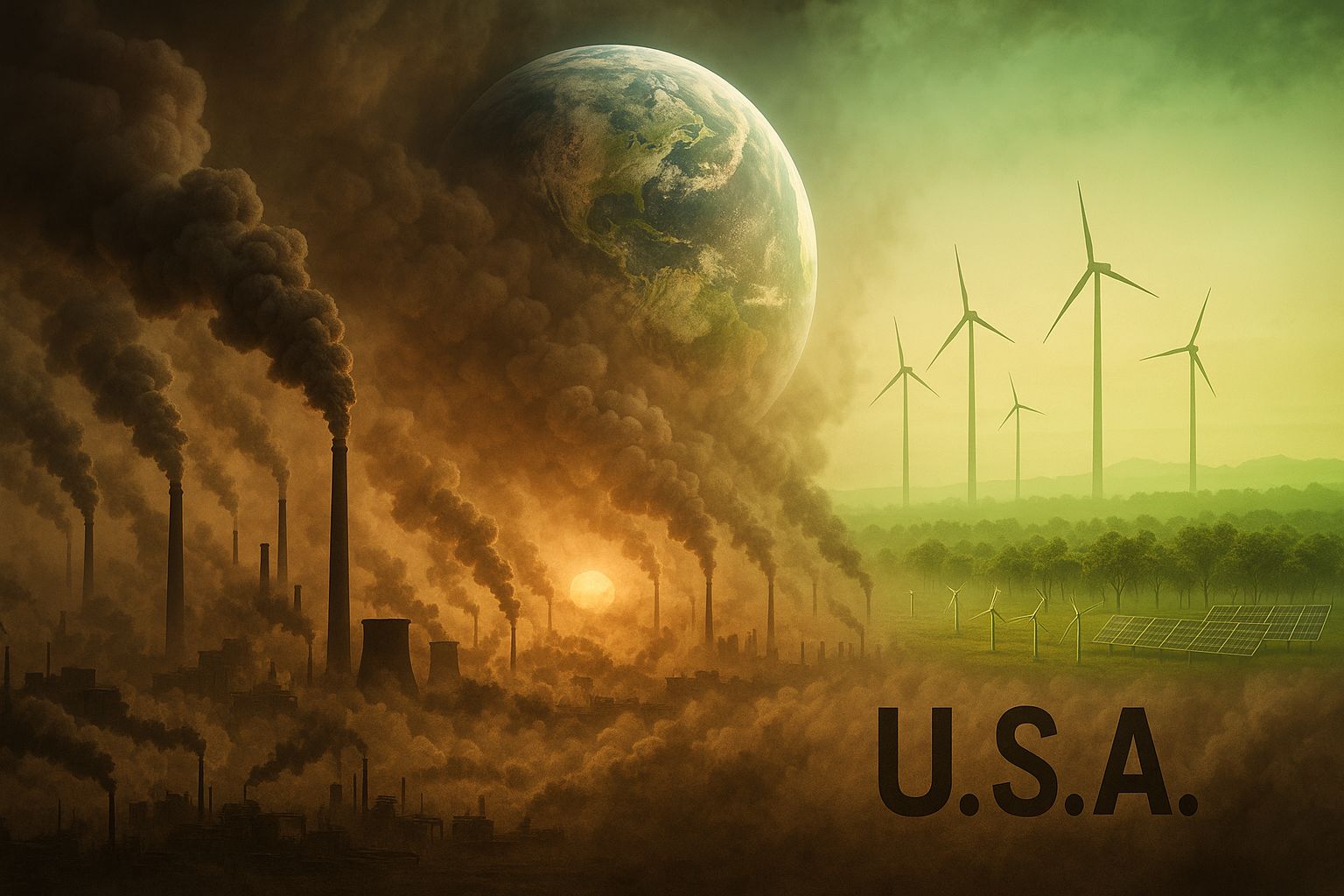
Despite the challenges, other global players are stepping forward. The European Union continues to push ambitious emission targets and invest heavily in renewable energy. China remains the world leader in solar and wind deployment, though it still relies on coal domestically. Meanwhile, India and Brazil are exploring large-scale renewable projects, and smaller nations are forming regional climate alliances to share technology and expertise.
However, without coordinated global leadership, these efforts remain fragmented. The absence of the U.S. weakens the sense of collective responsibility that has long driven progress in international climate talks.
The Rise of Non-State Actors
Interestingly, while the U.S. federal government may have stepped back, American businesses, states, and cities are still moving forward. States like California and New York maintain aggressive climate policies, and many corporations have committed to net-zero targets independently. Tech companies, energy innovators, and financial institutions continue to invest in decarbonization technologies.
This decentralized climate action demonstrates that even without Washington’s leadership, American influence on global climate solutions persists through innovation and market pressure.
A New Path Forward
The world may not be able to “replace” the United States in global climate leadership, but it can adapt. Coalitions of nations, private sectors, and civil society groups are increasingly taking the lead in areas where governments fall short. This distributed approach to climate action could define the next decade, shifting power away from politics and toward collaboration and technology.
The challenge is ensuring accountability and scale. Without strong international coordination and binding agreements, progress will be uneven and slower than what the climate crisis demands.

Conclusion
Can the world tackle climate change without the United States? The answer is both yes and no. Yes, progress can and must continue through other nations, private companies, and grassroots movements. But no, the world cannot achieve the speed, scale, and unity required to prevent catastrophic warming without the active participation of one of its largest economies and most influential players.
Global climate action has entered a new era—one defined less by political unity and more by collective urgency. The planet cannot wait for any single country to lead. Whether the United States joins or not, the rest of the world must keep moving forward.
FAQs
Why is the United States so important in climate action?
The U.S. is the second-largest carbon emitter and a key source of technology, finance, and global political influence. Its leadership shapes international climate agreements and helps fund clean energy transitions in developing nations.
Can global emissions be reduced without U.S. involvement?
Technically yes, but it would take much longer. Other nations and corporations can make progress, but global targets like net-zero by 2050 are harder to achieve without the U.S. participating fully.
What did COP30 reveal about U.S. absence?
COP30 showed that without American participation, negotiations lose momentum and unity. The summit ended without a binding fossil fuel phaseout plan, reflecting the weaker political will among major emitters.
Which countries are leading climate efforts now?
The European Union, China, India, and Brazil are key players driving renewable energy and emissions reduction. Smaller nations, especially those most vulnerable to climate change, are also forming new regional alliances.
What role can businesses and states play?
U.S. states and private companies can lead through clean energy investments, emission reduction targets, and global partnerships. Their actions can partially fill the gap left by federal inaction.
You May Also Like
🌱 Can Wind and Solar Be Predictable? Europe Says Yes with AI + Space Tech 🌞🤖🛰️
🌱 Powering Peace: How Renewable Energy Can Stabilize the Central African Republic 🕊️🌍
🌱 U.S. Hits Milestone: Wind & Solar Overtake Coal for the First Time ☀️🏭
🌱 How Super Scooper Aircraft Are Battling Wildfires Worldwide 🔥✈️
External Links
Follow Us:
X: https://www.x.com/greenglownews
Youtube: https://www.youtube.com/@greenglownews
Instagram: https://www.instagram.com/greenglownews
Sponsored Links