- Green Glow
- Posts
- 🌱 Can China Replace the U.S. as the World’s Climate Leader? 🌍📉
🌱 Can China Replace the U.S. as the World’s Climate Leader? 🌍📉
Can China replace the United States as the world’s climate leader? Explore how U.S. retreat, China’s clean energy strategy, and global power shifts are reshaping climate leadership.

Green Glow
January 05, 2026
For decades, global climate action has depended heavily on leadership from the United States. From shaping early international agreements to driving climate diplomacy, Washington played a central role in setting the pace of global environmental cooperation. That role is now in question. With the U.S. stepping back from multilateral climate commitments once again, attention has shifted toward China. The key question facing policymakers and markets alike is whether China can realistically replace the United States as the world’s leading climate power.
Table of Contents
The U.S. Retreat From Climate Leadership
The recent withdrawal of the United States from international climate commitments has created a noticeable leadership gap. Federal climate policy has become increasingly fragmented, shaped by domestic political cycles rather than long-term global objectives. This retreat has weakened international coordination, reduced diplomatic pressure on other major emitters, and slowed momentum toward more ambitious global targets.
While many U.S. states, cities, and corporations continue to pursue emissions reductions, the absence of a consistent federal strategy has limited Washington’s ability to lead on the global stage. Climate leadership requires not only domestic action but also sustained diplomatic engagement, financial commitments, and credibility in international forums.
Why China Has Stayed Engaged
Unlike the United States, China has remained committed to global climate frameworks. Beijing accepts the scientific consensus on climate change and openly acknowledges the domestic risks it faces, including extreme heat, flooding, water scarcity, and coastal exposure. These risks are not abstract. They threaten food security, infrastructure stability, and economic growth.
China’s leadership views climate policy not primarily as an environmental concession but as a strategic necessity. This perspective has helped insulate climate commitments from the political volatility seen in other countries.
Clean Energy as an Economic Strategy
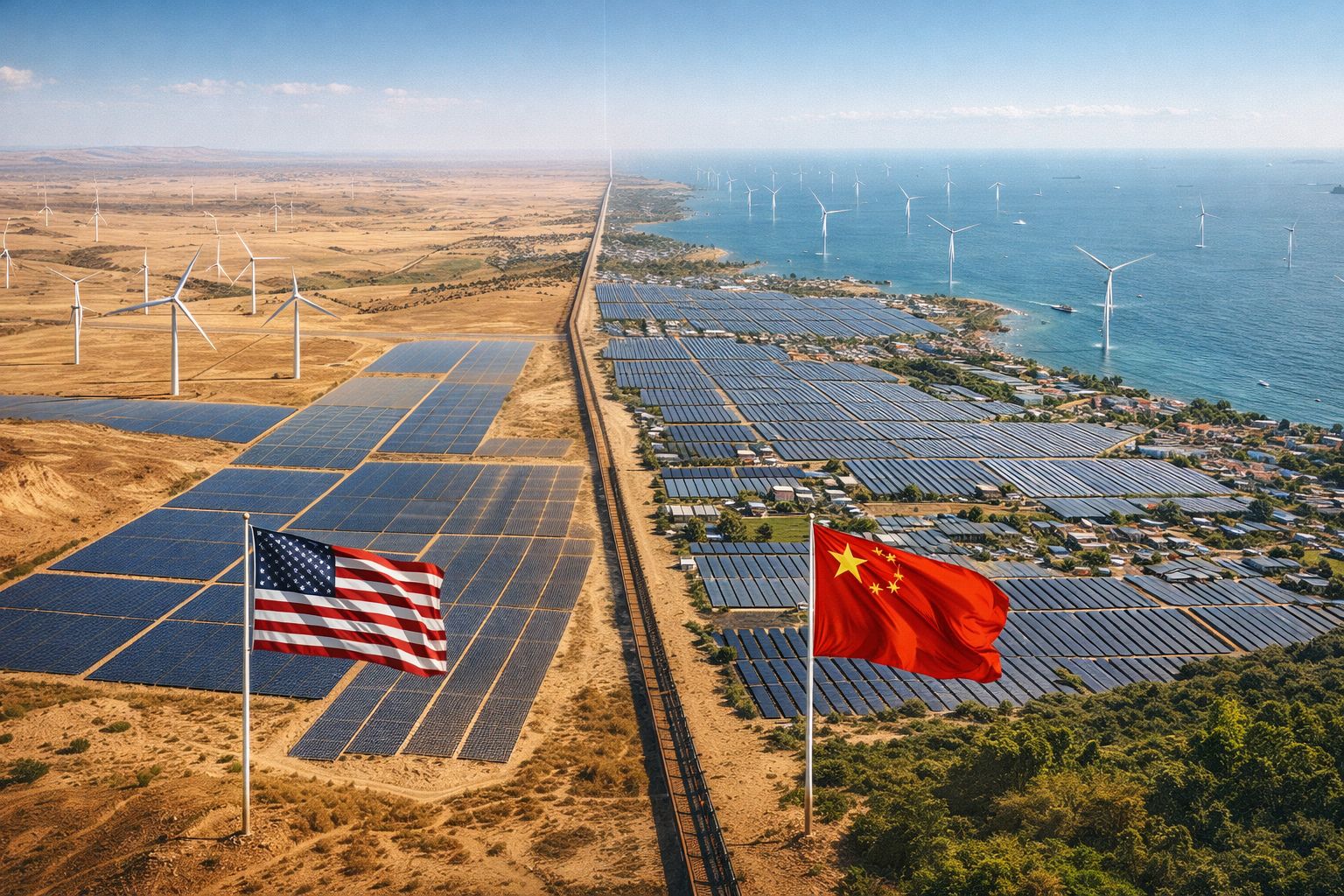
One of China’s strongest advantages is its integration of climate goals into industrial policy. Beijing has invested heavily in solar manufacturing, battery production, electric vehicles, and grid infrastructure. As a result, China dominates global supply chains for many clean energy technologies.
Rather than framing climate action as a cost, China treats it as a growth opportunity. This approach contrasts sharply with the U.S. narrative that often pits emissions reductions against economic competitiveness. As global demand for clean energy accelerates, China’s early investments are translating into export power, job creation, and geopolitical leverage.
The Emissions Reality
Despite its progress, China remains the world’s largest current emitter of greenhouse gases. This reality complicates any claim to climate leadership. Coal still plays a significant role in China’s energy mix, and emissions reductions have not yet occurred at the pace required to align with long-term global temperature goals.
True leadership requires not only participation but also ambition. Other nations are watching closely to see whether China can balance economic growth with faster and deeper emissions cuts at home.
Diplomacy and Global Trust
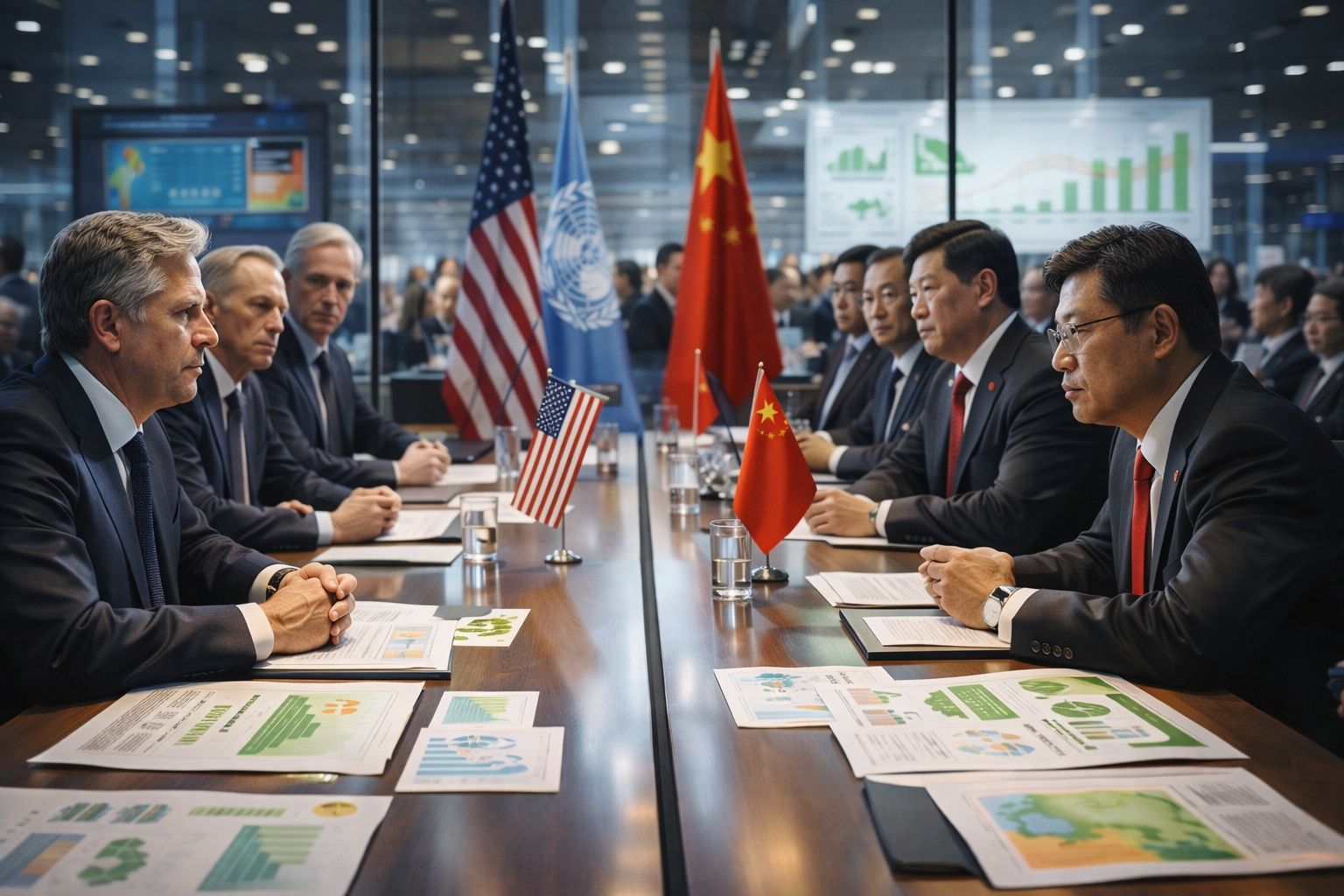
Climate leadership is not only about technology and emissions. It also depends on trust, transparency, and diplomacy. Historically, the United States used its diplomatic network, financial institutions, and alliances to build climate coalitions and support developing countries.
China has expanded its climate diplomacy, particularly in the Global South, through infrastructure investment and clean energy financing. However, questions remain about debt sustainability, project transparency, and whether China is willing to shoulder the same level of responsibility traditionally expected from global leaders.
A Multipolar Climate Order
Rather than a simple transfer of leadership from Washington to Beijing, the global climate system may be entering a multipolar phase. The European Union, regional powers, and private capital markets are playing increasingly influential roles. In this landscape, China may become the most powerful single actor, but not the sole leader.
Without active U.S. participation, global climate governance becomes less coordinated and more fragmented. China can fill parts of the vacuum, particularly in clean energy deployment and manufacturing, but it cannot fully replicate the diplomatic reach and coalition-building capacity the United States once provided.

Conclusion
China is better positioned today than any other country to influence the direction of global climate action. Its commitment to international frameworks, dominance in clean energy manufacturing, and strategic view of climate policy give it substantial leverage. However, replacing the United States as the world’s climate leader is not straightforward.
Leadership requires more than staying at the table. It demands faster emissions reductions, greater transparency, and a willingness to support global cooperation beyond national interest. Until those conditions are met, the world is likely to face a fragmented climate future where leadership is shared, uneven, and increasingly shaped by economic power rather than collective ambition.
FAQs
Can China replace the United States as the world’s climate leader?
China can partially fill the leadership gap by driving clean energy manufacturing, investment, and emissions policy. However, replacing the United States entirely is difficult due to differences in diplomatic influence, transparency, and global trust.
Why did the United States step back from global climate leadership?
U.S. climate policy has become closely tied to domestic political cycles. Changes in administration have led to shifting priorities, reduced international commitments, and weakened long term climate diplomacy.
Why has China remained committed to global climate agreements?
China recognizes the economic and environmental risks posed by climate change. Its leadership views climate action as a strategic necessity tied to energy security, industrial competitiveness, and social stability.
Is China reducing its greenhouse gas emissions fast enough?
China has expanded renewable energy at record levels, but it remains the world’s largest current emitter. Coal still plays a significant role in its energy system, raising concerns about whether emissions cuts will meet global targets.
How does clean energy factor into China’s climate strategy?
Clean energy is central to China’s economic planning. Investments in solar, batteries, electric vehicles, and grid infrastructure allow China to lead global supply chains while advancing climate goals.
You May Also Like
External Links
Follow Us:
X: https://www.x.com/greenglownews
Youtube: https://www.youtube.com/@greenglownews
Instagram: https://www.instagram.com/greenglownews
Sponsored Links