- Green Glow
- Posts
- 🌱 Can AI Solve the Grid Problems That Are Holding Back Clean Energy? ⚡🤖
🌱 Can AI Solve the Grid Problems That Are Holding Back Clean Energy? ⚡🤖
Can AI fix the grid limitations slowing down renewable energy? Explore how artificial intelligence improves grid stability, forecasts energy demand, prevents outages and unlocks the full potential of clean power for a reliable and sustainable future.

Green Glow
November 28, 2025
As countries commit to cleaner and more sustainable power, renewable energy is becoming a core part of national energy strategies. Wind and solar installations are expanding at an impressive speed, yet their full potential remains out of reach because the electricity grid was not originally designed to handle variable and distributed energy sources. The world has abundant renewable power, but grid limitations often prevent that power from reaching homes, businesses and industries. Artificial intelligence is emerging as a transformative tool that might finally unlock the next era of clean energy.
Table of Contents

The Renewable Energy Challenge Begins at the Grid
Traditional grids were built on a simple idea. Large centralized power plants produced electricity on demand, and the grid delivered it. Today, millions of small and scattered renewable sources feed electricity into the same system. Solar, wind and distributed storage create fluctuating supply patterns that do not always follow demand curves. Even a short imbalance can result in wasted renewable energy, blackouts or forced reliance on fossil fuel backup.
Every continent is now facing similar concerns.
How can the grid respond instantly to variable renewable energy
How can operators forecast demand with higher accuracy
How can utilities prevent equipment failures before they occur
This is where AI can play an essential role.
How Artificial Intelligence Can Improve Grid Stability
AI systems are uniquely suited to a grid that changes from minute to minute. By analyzing massive amounts of real time and historical data, AI can support decision making that humans alone could never perform fast enough.
1. Real time balancing of supply and demand
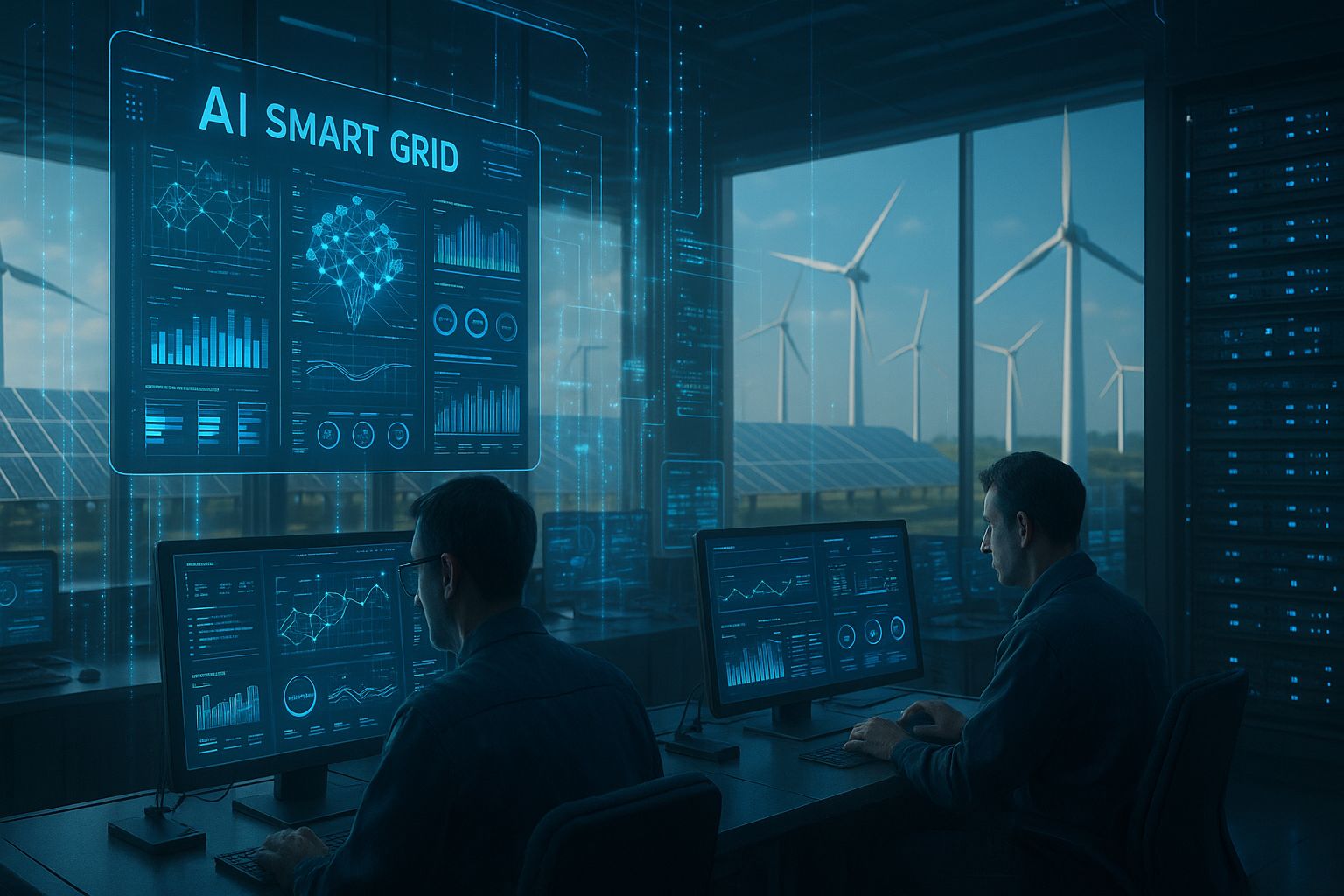
AI analyzes incoming data from weather patterns, energy production, smart meters and industrial energy use. It predicts fluctuations before they happen and automatically adjusts generation, storage or load shifting to stabilize the grid.
2. Greater integration of renewable sources
With AI forecasting the exact amount of wind or solar power available in advance, utilities can plan their power mix more effectively. This reduces curtailment of renewable energy and lowers the need for fossil fuel backup.
3. Predictive maintenance for grid infrastructure
Equipment failure is one of the most expensive problems in the energy system. AI identifies signals of stress or malfunction early and alerts operators before breakdowns occur. This increases reliability and reduces costs.
4. Smart expansion planning
Power companies can use AI to simulate future grid demands as electrification grows. Transportation, heating and industry all require more power. AI helps determine where to build new transmission lines, storage facilities and renewable plants for maximum efficiency.
A Future Built on Smart Grids Rather Than Reactive Grids
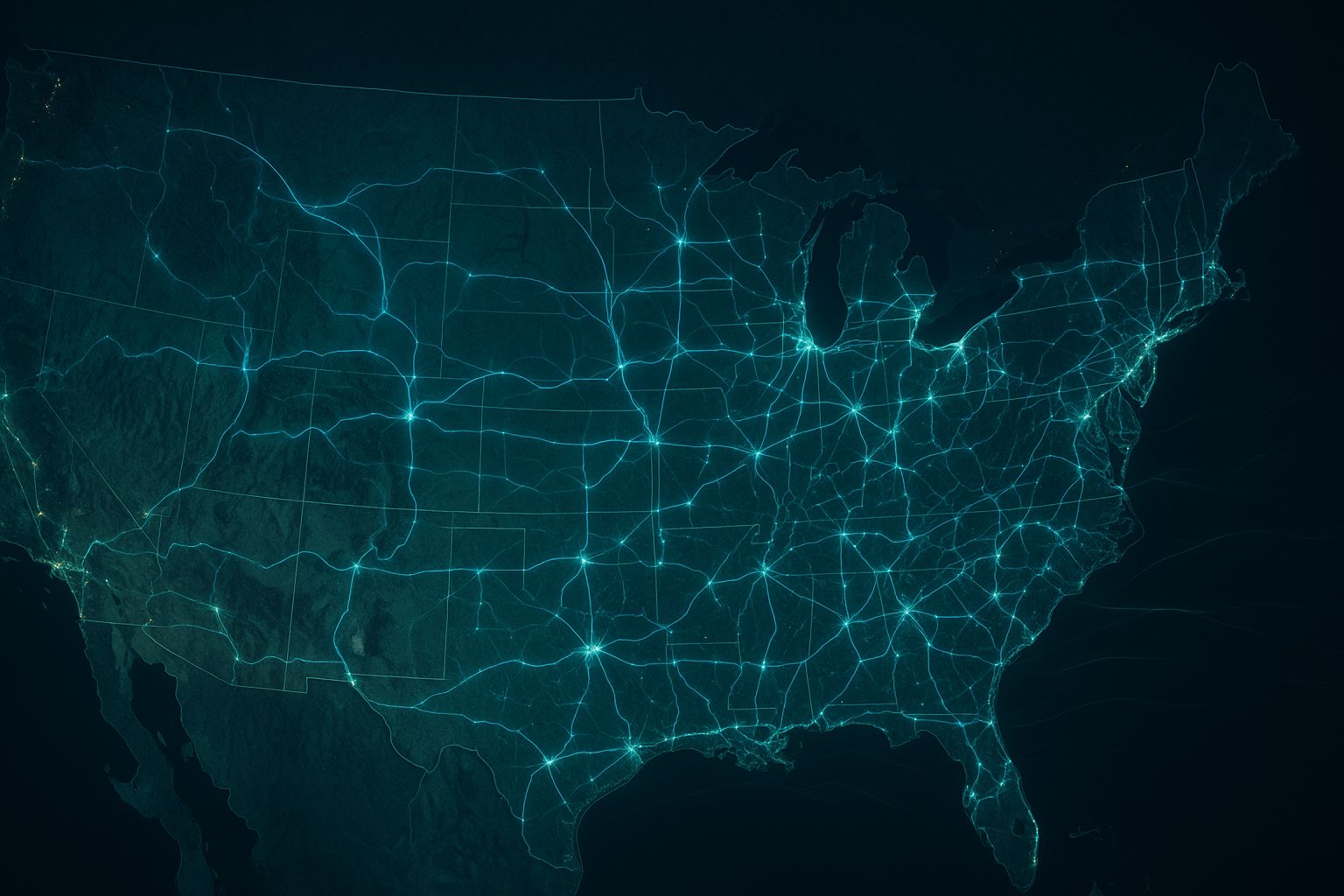
AI does more than optimize day to day operations. It enables a long term transition from a reactive energy system to a smart energy system. Instead of responding after problems occur, AI prevents them. Instead of treating energy as a single directional broadcast, AI supports a dynamic and decentralized marketplace where energy can flow from anyone to everyone.
A fully optimized smart grid would achieve several breakthroughs.
Almost zero renewable curtailment
Lower electricity costs for households and industries
Improved resilience against storms and extreme weather
Faster electrification of vehicles and heating systems
Lower carbon emissions at a global scale
These changes would not only benefit wealthy nations. Smart grids can help developing regions leap ahead of traditional fossil-fuel infrastructure and build clean energy access more quickly and affordably.
The Challenges Ahead
While the promise is clear, deploying AI across national grids is not simple. Several barriers remain.
AI requires massive amounts of high quality, real time data
Utilities need major investments in digital infrastructure
Energy policy, regulation and privacy rules must modernize
AI itself consumes energy, and sustainability must be considered
These challenges show that AI alone cannot solve the clean energy transition. It must be combined with supportive public policy, innovation in renewable technology and long term infrastructure planning.
Conclusion
AI is not a replacement for renewable energy infrastructure, but it might be the key that unlocks its full potential. The electricity grid is the bottleneck holding back the global shift to clean energy. By leveraging artificial intelligence for forecasting, balancing, planning and maintenance, the world can convert renewable abundance into reliable and affordable power.
AI will not eliminate the need for investment in physical grid upgrades, yet without AI the renewable transition could stall. With smart deployment, artificial intelligence can become one of the most important tools humanity has for building a cleaner, more resilient and more energy secure future.
FAQs
Why is the electrical grid struggling with renewable energy growth?
Most electrical grids were built for centralized fossil fuel power plants, not for millions of decentralized solar and wind sources. The variability of renewable energy and the sudden fluctuations in supply and demand create challenges that the traditional grid was not designed to handle.
How can AI improve the reliability of renewable energy?
AI predicts energy generation and demand with high accuracy, allowing utilities to balance the grid in real time. It also supports autonomous decision making, such as diverting excess power to storage, shifting loads or purchasing power when needed.
Can AI reduce electricity costs for consumers?
Yes. By improving grid efficiency and reducing energy waste, AI can help lower operating costs for utilities. Over time, these savings can reduce electricity prices for households and businesses.
Do AI systems themselves consume a lot of energy?
AI applications used for grid optimization consume energy, but it is significantly less than the energy saved by improving efficiency across the grid. As renewable energy grows and data centers become greener, the footprint of AI is expected to shrink.
You May Also Like
🌱 Too Late to Freeze: Why Glaciers Won’t Recover Even If We Cool the Planet ❄️🌍
🌱 Extreme Heat is Coming for Our Kids—Will We Act in Time? 🔥⚠️
🌱 How the Rich Are Fueling Global Warming—And What We Can Do About It 🔥💰
🌱 England's Water Pollution Hits Decade High: What's Going Wrong? 🐟🚨
🌱 Why $2.5 Billion Says the U.S. Can’t Quit Clean Energy 💰♻️
External Links
Follow Us:
X: https://www.x.com/greenglownews
Youtube: https://www.youtube.com/@greenglownews
Instagram: https://www.instagram.com/greenglownews
Sponsored Links