- Green Glow
- Posts
- 🌱 Can AI Itself Reduce the Pollution Caused by AI Data Centers? ⚡🤖
🌱 Can AI Itself Reduce the Pollution Caused by AI Data Centers? ⚡🤖
Can AI reduce the pollution caused by AI data centers? Explore how smarter workload scheduling, carbon aware systems, and hardware optimization could cut emissions and energy waste.

Green Glow
January 02, 2026
Artificial intelligence is often portrayed as a solution to global challenges, from climate modeling to energy optimization. Yet behind this promise lies a growing environmental concern. AI systems rely on massive data centers that consume vast amounts of electricity, water, and physical hardware. As AI adoption accelerates, so does its pollution footprint. This raises a critical question. Can AI be used to reduce the pollution it creates?
Emerging research suggests the answer may be yes. If applied strategically, AI could help make data centers significantly cleaner, more efficient, and longer lasting.
Table of Contents

The Pollution Problem Behind AI Data Centers
AI workloads are among the most energy intensive activities in modern computing. Training large models and running continuous inference require thousands of servers operating around the clock. These servers draw power from electrical grids that are still heavily dependent on fossil fuels in many regions.
The environmental impact extends beyond carbon emissions. Data centers generate air pollution through electricity production, consume enormous volumes of water for cooling, and require frequent hardware replacement due to heat related degradation. As demand for AI services grows, these impacts scale rapidly.
Traditional approaches to reducing data center pollution have focused on renewable energy procurement and carbon offsets. While helpful, these measures do not address how computing workloads themselves are managed.
Why Efficiency Alone Is No Longer Enough
Over the past two decades, data center operators have made major efficiency gains. Modern servers are far more energy efficient than their predecessors, and cooling systems have improved substantially. However, efficiency gains are being outpaced by the explosive growth of AI demand.
Simply making hardware faster or more efficient no longer offsets the sheer volume of computation required. As a result, attention is shifting from hardware improvements to intelligent system level optimization.
This is where AI begins to play a role in solving its own pollution problem.
Using AI to Optimize When and Where Computing Happens
One of the most promising ideas is using AI to decide when and where workloads run. Not all electricity is equally clean. Carbon intensity varies by region, time of day, and energy source availability.
AI systems can analyze real time data about grid emissions, electricity demand, and server health to schedule workloads during cleaner periods or route them to lower pollution locations. Instead of running tasks immediately or in fixed locations, computation can be delayed or shifted to reduce environmental impact without affecting performance guarantees.
This approach treats carbon emissions as a scheduling variable, not an afterthought.
Extending Hardware Life Through Intelligent Management
Heat is one of the primary causes of server degradation. AI workloads often push hardware to its thermal limits, shortening equipment lifespan and increasing electronic waste.
AI driven management systems can monitor server conditions in real time and distribute workloads in ways that reduce thermal stress. By avoiding repeated overheating of the same machines, data centers can extend server life by months or even years.
Longer hardware lifespans mean fewer replacements, less manufacturing pollution, and lower overall resource consumption.
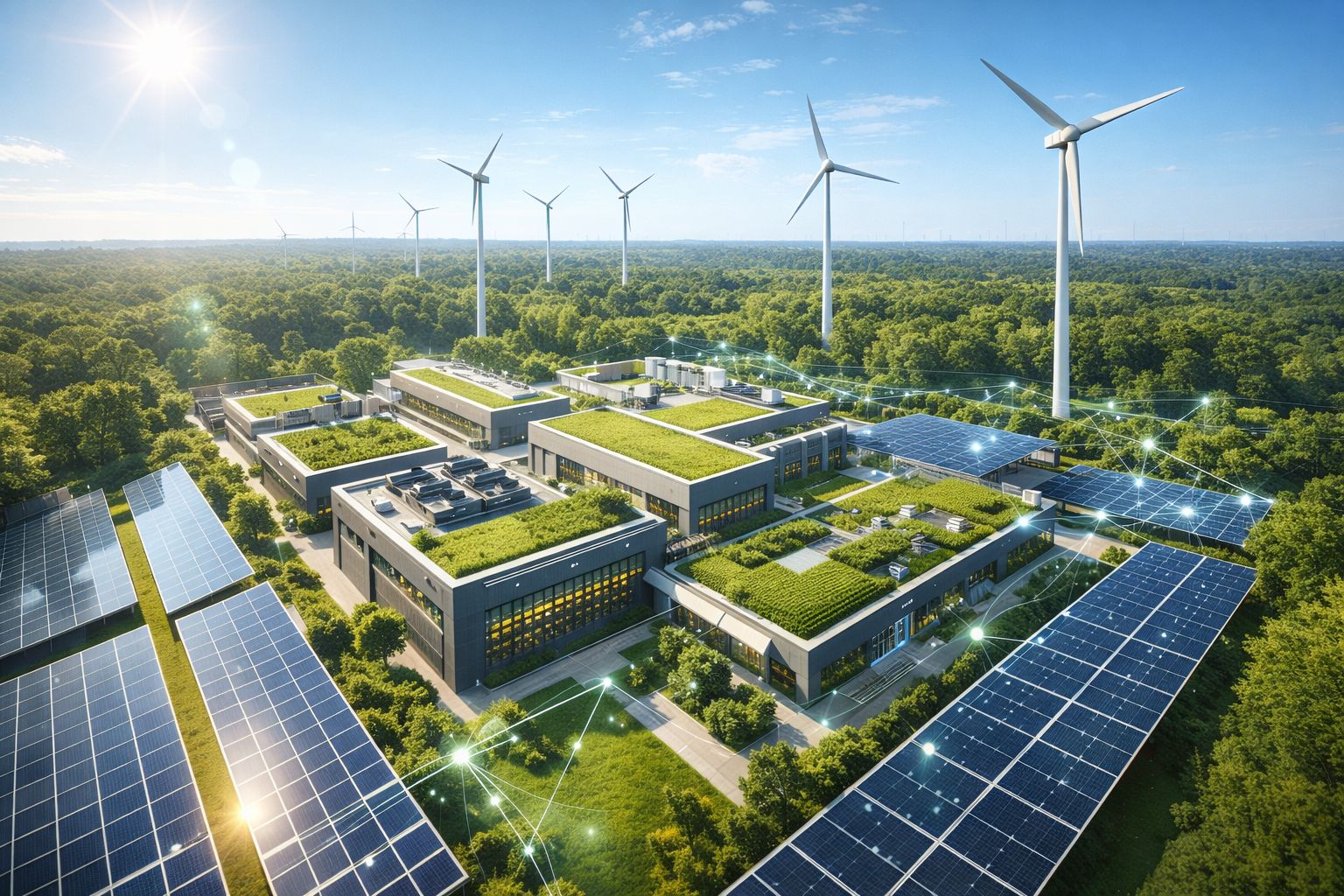
Coordinating Energy Use and Hardware Health
The most advanced proposals combine multiple layers of intelligence. These systems integrate data on carbon intensity, electricity pricing, server temperature, workload urgency, and hardware wear.
By coordinating these factors, AI can make nuanced decisions that balance performance with environmental impact. For example, a non urgent training job could be scheduled on a cooler server in a region with cleaner electricity, while critical workloads are prioritized elsewhere.
This holistic approach moves beyond simple energy efficiency and toward lifecycle optimization.
Challenges to Adoption
Despite its promise, AI driven pollution reduction faces practical barriers. Data centers are complex systems with strict reliability requirements. Introducing new scheduling logic requires extensive testing and operational trust.
There are also economic incentives to consider. Electricity prices do not always reflect environmental costs, which can reduce motivation for pollution optimized scheduling. Regulatory frameworks have not yet caught up with the environmental realities of large scale AI infrastructure.
Finally, transparency remains a challenge. Many AI providers do not disclose detailed energy or emissions data, making optimization harder and accountability weaker.
Why This Approach Matters Now
AI demand is growing faster than almost any other digital technology. Without intervention, its environmental footprint could undermine climate goals and strain local communities near data center hubs.
Using AI to manage AI infrastructure represents a shift in thinking. Instead of treating pollution as an unavoidable side effect, it becomes a design problem that can be addressed with intelligence and foresight.
This approach does not eliminate the need for renewable energy or better hardware. It complements them by ensuring existing resources are used as responsibly as possible.
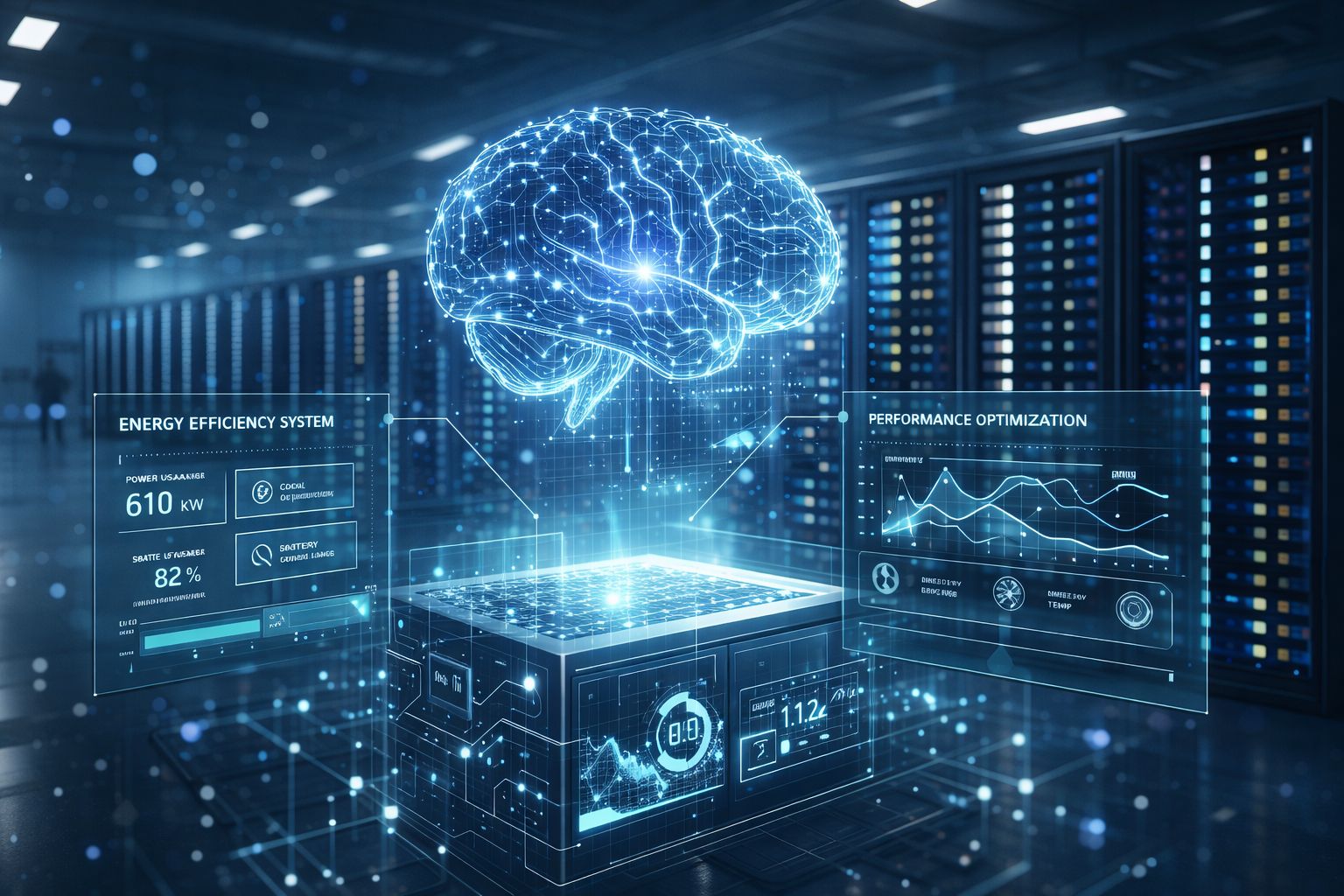
Conclusion
AI data centers are a growing source of pollution, but they do not have to be. The same intelligence that powers advanced models can be used to reduce emissions, extend hardware life, and minimize waste.
The future of sustainable AI will depend not only on cleaner energy, but on smarter systems that understand the environmental cost of every computation. If implemented at scale, AI may become one of the most effective tools for reducing the pollution it once accelerated.
FAQs
What causes pollution from AI data centers?
AI data centers consume large amounts of electricity to power servers and cooling systems. When this electricity comes from fossil fuel based grids, it results in carbon emissions and air pollution. Water use for cooling and frequent hardware replacement also contribute to environmental damage.
Why do AI workloads use more energy than traditional computing?
AI workloads involve intensive calculations, especially during model training. These tasks run continuously on high performance hardware, generating significant heat and requiring constant cooling, which increases overall energy consumption.
Can AI really help reduce its own environmental impact?
Yes. AI can analyze real time data about electricity carbon intensity, server conditions, and workload urgency. Using this information, it can schedule and route computing tasks in ways that reduce emissions, lower energy waste, and extend hardware lifespan.
What is carbon aware scheduling in data centers?
Carbon aware scheduling is a method where computing workloads are shifted to times or locations with cleaner electricity. Instead of running tasks immediately, systems wait for periods when the power grid has lower emissions.
Does using renewable energy solve the data center pollution problem?
Renewable energy helps, but it is not a complete solution. Many grids still rely partly on fossil fuels, and renewable supply is not always available. Smarter workload management is needed alongside clean energy to meaningfully reduce pollution.
You May Also Like
External Links
Follow Us:
X: https://www.x.com/greenglownews
Youtube: https://www.youtube.com/@greenglownews
Instagram: https://www.instagram.com/greenglownews
Sponsored Links