- Green Glow
- Posts
- 🌱 2025 Marks a Historic Shift as Renewable Energy Becomes Unstoppable ⚡🌎
🌱 2025 Marks a Historic Shift as Renewable Energy Becomes Unstoppable ⚡🌎
2025 marks a historic turning point as renewable energy becomes unstoppable. Explore why clean power emerged as Science’s Breakthrough of the Year and how it is reshaping the global energy system.

Green Glow
December 29, 2025
In 2025, the global energy system reached a defining moment. Renewable energy moved from being a strategic alternative to becoming a dominant force in electricity generation, investment, and policy planning. What once seemed like a gradual transition accelerated into a structural transformation that is reshaping economies, geopolitics, and climate action worldwide.
Recognized by Science as the Breakthrough of the Year, the rapid and sustained expansion of renewable energy reflects not a single invention but the culmination of decades of scientific progress, cost declines, and system-level innovation.
Table of Contents
From Niche Technology to Energy Backbone
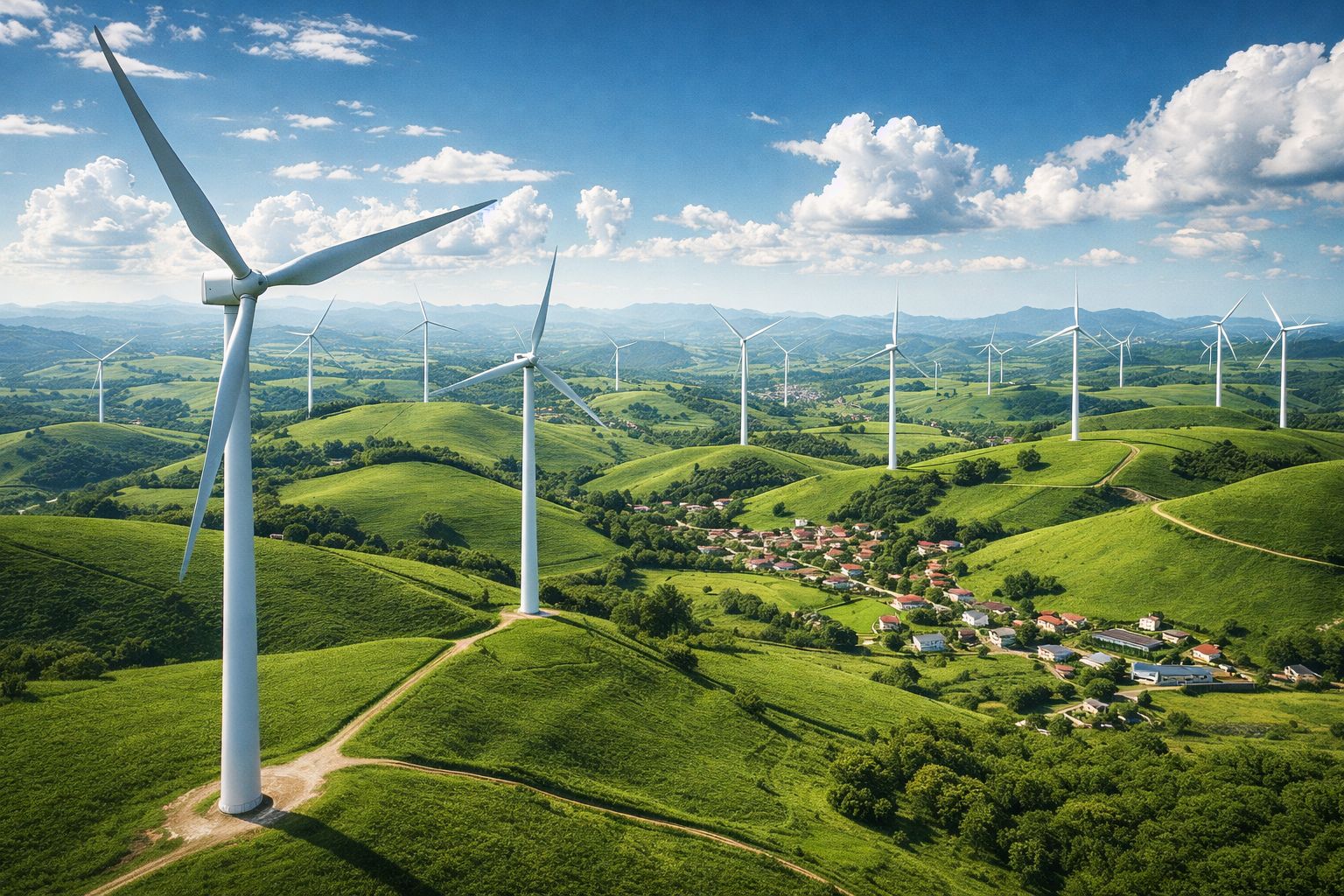
For much of the past two decades, renewable energy was often framed as a future solution. In 2025, that narrative no longer holds. Solar and wind power now represent a substantial share of new electricity capacity additions across most major economies.
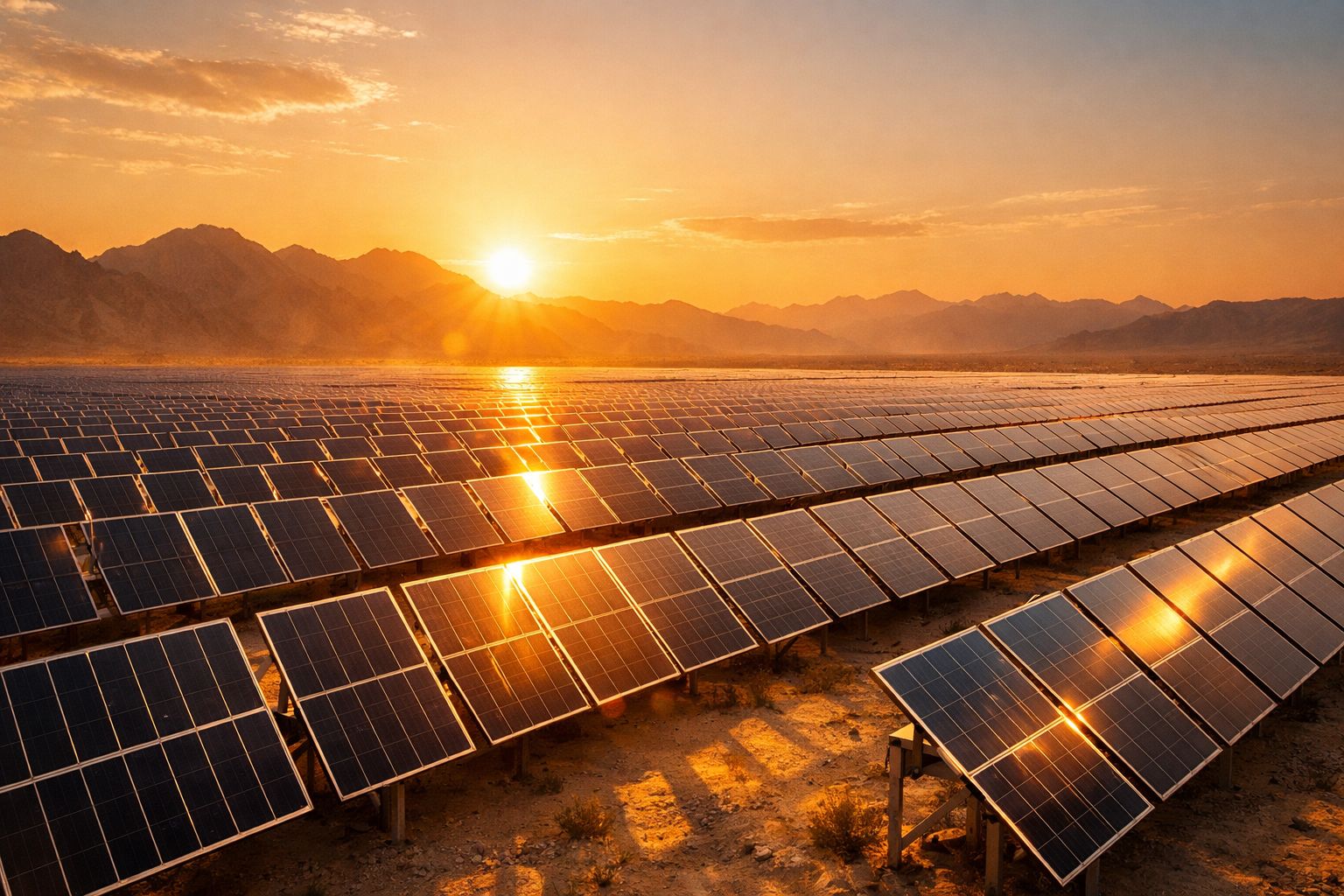
Utility scale solar projects have become among the cheapest sources of electricity ever built, even without subsidies. Wind power, both onshore and offshore, continues to expand with improved turbine efficiency and better forecasting tools. In many regions, renewables are now the default option for new power generation rather than an environmental preference.
This shift signals a fundamental change in how energy systems are designed and financed.
The Technology Behind the Acceleration
The unstoppable rise of renewable energy is driven by several reinforcing technological advances.
Energy storage has matured rapidly. Large scale battery systems now smooth out variability in solar and wind output, allowing renewables to supply power even when the sun is not shining or the wind is not blowing. At the same time, grid management software powered by artificial intelligence enables utilities to balance supply and demand in real time.
Advances in transmission infrastructure have also played a critical role. High voltage lines and cross border interconnections allow renewable energy to flow from resource rich regions to population centers, increasing system reliability and reducing dependence on fossil fuels.
Together, these innovations have turned intermittency from a perceived weakness into a manageable engineering challenge.
Economics Now Favors Clean Power
One of the most decisive factors behind the 2025 breakthrough is economics. Renewable energy has crossed a tipping point where it consistently undercuts fossil fuels on cost alone.
Investors increasingly view solar and wind projects as low risk infrastructure assets with predictable returns. As a result, capital is flowing into clean energy at record levels, while new coal and gas projects struggle to secure financing.
This economic reality is reshaping energy markets. Utilities are retiring fossil fuel plants earlier than planned. Governments are revising long term energy strategies to reflect a future dominated by renewables rather than hydrocarbons.
A Shift in Energy Security and Geopolitics
Renewable energy is also redefining the concept of energy security. Instead of relying on imported fuels subject to price shocks and geopolitical tensions, countries are investing in domestic energy resources such as sunlight, wind, and water.
This transition reduces exposure to global fuel markets and weakens the strategic leverage of fossil fuel exporters. At the same time, it creates new geopolitical dynamics centered on supply chains for clean energy technologies, including batteries, critical minerals, and grid equipment.
In 2025, energy independence increasingly means renewable capacity rather than oil reserves.
Climate Action Moves From Promise to Practice
The rapid expansion of renewable energy has profound implications for climate goals. Emissions reductions that once depended on ambitious pledges are now being driven by market forces and infrastructure deployment.
While challenges remain in sectors such as heavy industry, aviation, and shipping, the power sector has become a leading source of tangible progress. Each new renewable installation locks in decades of low carbon electricity, making long term climate targets more achievable.
This shift also changes public perception. Climate action is no longer seen solely as a sacrifice but as an opportunity for economic growth, job creation, and technological leadership.
Why 2025 Stands Apart
What makes 2025 historic is not simply the scale of renewable deployment but its momentum. The transition has reached a self reinforcing phase where technological improvement, cost reductions, and policy support feed into one another.
Renewable energy is no longer advancing because it is cleaner alone. It is advancing because it is cheaper, faster to deploy, and strategically advantageous. That combination makes the shift extremely difficult to reverse.

Conclusion
The events of 2025 mark a clear turning point in global energy history. Renewable energy has moved beyond experimentation and early adoption into a phase of dominance and permanence.
As Science’s Breakthrough of the Year highlights, this transformation represents one of the most consequential scientific and technological achievements of our time. The energy transition is no longer a distant objective. It is an unfolding reality that is reshaping the world’s power systems, economies, and climate trajectory.
The question now is not whether renewable energy will define the future, but how quickly the rest of the global system will adapt to its unstoppable rise.
FAQs
What makes 2025 a historic year for renewable energy?
In 2025, renewable energy reached a tipping point where solar and wind became the dominant sources of new power generation in many countries. Cost advantages, improved storage, and advanced grid management turned clean energy into the default choice rather than an alternative.
Why did Science name renewable energy growth the Breakthrough of the Year?
Science recognized renewable energy growth because it represents a system level transformation rather than a single invention. Decades of scientific research, falling costs, and infrastructure improvements converged in 2025 to permanently shift how electricity is produced and distributed.
Is renewable energy now cheaper than fossil fuels?
Yes, in most regions utility scale solar and wind are now cheaper than coal and gas, even without subsidies. This cost advantage is one of the main reasons renewable energy deployment accelerated so rapidly in 2025.
How does energy storage support renewable energy expansion?
Energy storage systems, especially large scale batteries, store excess electricity and release it when needed. This reduces variability and allows renewable power to provide reliable electricity around the clock.
What does the renewable energy breakthrough mean for climate goals?
The expansion of renewables directly reduces emissions from the power sector. Because clean energy infrastructure operates for decades, the progress made in 2025 helps lock in long term emissions reductions and supports global climate targets.
You May Also Like
🌱 Climate Change Is Coming for Farmers—Rich and Poor Alike 🌦️👨🌾
🌱 Are Rising Tariffs Slowing Down the Clean Energy Revolution? ⚡💸
🌱 Airport Pollution Blamed for Lamb Loss: A Farmer's Devastating Story 😢🐑
🌱 How China’s Tourism Industry Is Embracing Renewable Energy to Go Green ✈️🌍
🌱 Extreme Heat is Coming for Our Kids—Will We Act in Time? 🔥⚠️
External Links
Follow Us:
X: https://www.x.com/greenglownews
Youtube: https://www.youtube.com/@greenglownews
Instagram: https://www.instagram.com/greenglownews
Sponsored Links