- Green Glow
- Posts
- 🌱 14 Climate Trends That Will Test the Global Energy Transition in 2026 🌍⚡
🌱 14 Climate Trends That Will Test the Global Energy Transition in 2026 🌍⚡
A deep dive into the 14 climate trends that will test the global energy transition in 2026, from EVs and nuclear power to grid bottlenecks, geopolitics, and rising electricity demand.

Green Glow
January 03, 2026
The global energy transition is entering a decisive phase. After years of rapid renewable deployment, bold pledges, and unprecedented clean energy investment, 2026 is shaping up to be a year when ambition collides with real world constraints. According to analysis highlighted by Bloomberg, a combination of economic pressure, geopolitics, grid limitations, and rising energy demand will test whether the transition can stay on track.
Below are the 14 climate trends that will most strongly challenge and define the global energy transition in 2026.
Table of Contents

1. Electric Vehicle Growth Becomes Uneven
Electric vehicle adoption will continue globally, but not evenly. Some markets will accelerate thanks to strong incentives and falling battery costs, while others will slow due to affordability concerns, charging infrastructure gaps, and weaker consumer demand. This divergence will test supply chains and automakers’ long term strategies.
2. Power Grids Become the Transition Bottleneck
Renewable generation is expanding faster than transmission infrastructure. In 2026, grid congestion, delayed interconnections, and underinvestment in transmission upgrades are expected to limit how quickly new solar, wind, and storage projects can come online.
3. Nuclear Power Reenters the Climate Debate
Rising electricity demand from electrification and data centers is pushing governments and utilities to reconsider nuclear power. Small modular reactors and life extensions for existing plants are gaining attention, but high costs, regulatory complexity, and public skepticism remain major hurdles.
4. Clean Energy Investment Becomes More Selective
After years of rapid capital inflows, clean energy investment is becoming more disciplined. Investors are prioritizing profitability, grid readiness, and execution risk over hype. This shift may slow some projects but strengthen the sector overall.
5. China’s Policy Direction Shapes Global Outcomes
China’s climate and industrial policies will have an outsized influence in 2026. Decisions around coal use, renewable expansion, EV manufacturing, and grid upgrades will affect global emissions trajectories and clean tech supply chains.
6. Rising Electricity Demand From AI and Data Centers
Artificial intelligence and cloud computing are driving a surge in electricity demand. In some regions, data centers are competing with households and industry for power, complicating decarbonization efforts and increasing interest in dedicated clean energy and nuclear solutions.
7. Permitting and Siting Conflicts Intensify
Local opposition to wind farms, transmission lines, and energy infrastructure continues to delay projects. In 2026, permitting reform or the lack of it will be a decisive factor in how quickly clean energy capacity can scale.
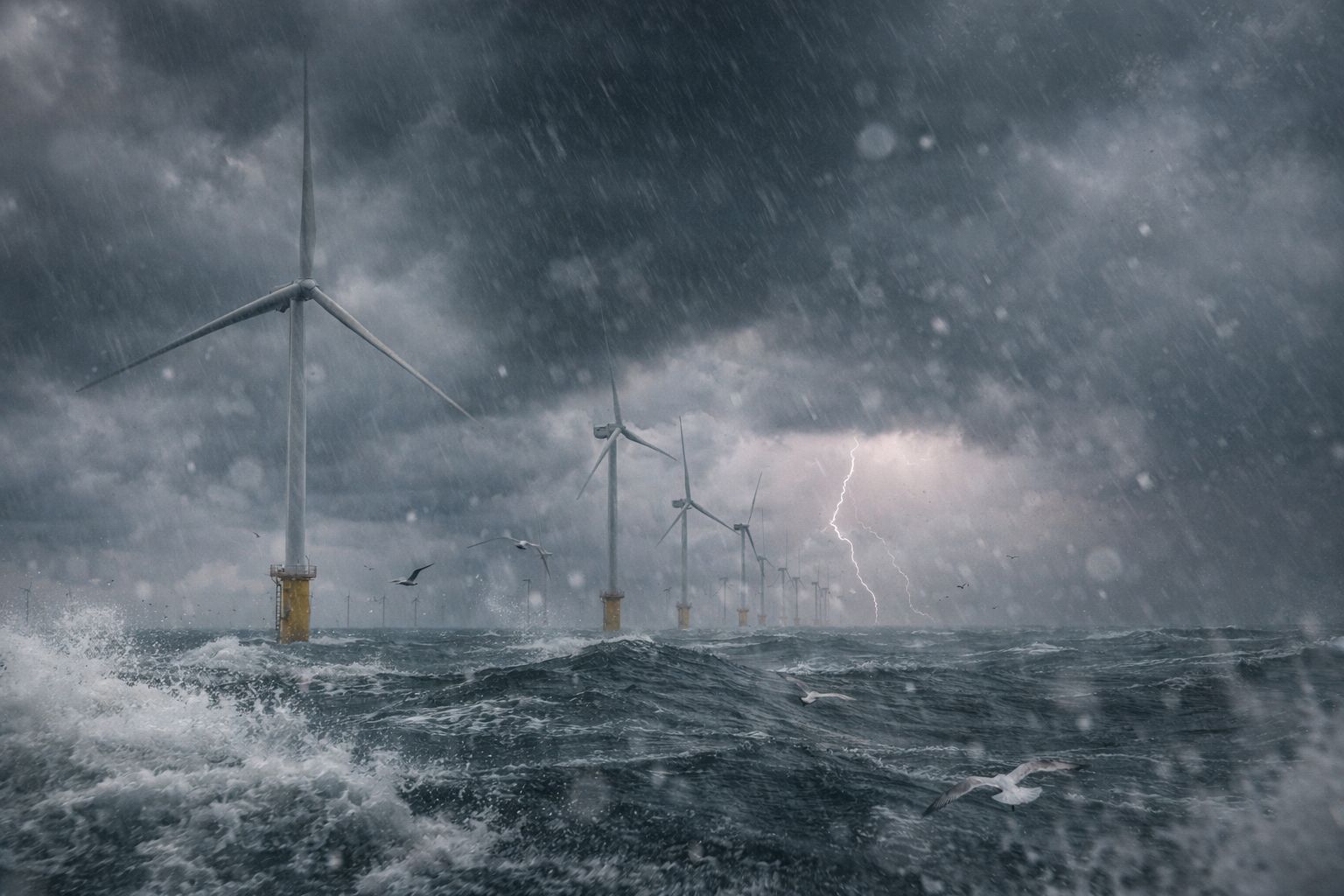
8. Climate Policy Faces Political Pushback
Climate regulations and subsidies are increasingly caught in political battles. Legal challenges, election cycles, and shifting priorities could weaken or delay policies that underpin renewable deployment and emissions reductions.
9. Developing Economies Take a Larger Role
Many emerging economies are adopting renewables faster than expected because clean energy is often cheaper than fossil alternatives. However, financing constraints and grid limitations will determine whether this momentum can be sustained.
10. Energy Security Competes With Decarbonization
Geopolitical tensions and supply disruptions continue to influence energy decisions. In 2026, governments may prioritize reliable and affordable energy even if it means slower emissions reductions in the short term.
11. Climate Risk Becomes Central to Finance
Banks, insurers, and asset managers are increasingly pricing climate risk into decisions. This shift affects everything from fossil fuel financing to where renewable projects are built, making climate data and modeling more critical than ever.
12. Adaptation Moves Up the Agenda
Extreme heat, floods, and storms are forcing governments to invest more in climate resilience. While adaptation does not replace mitigation, it is becoming a necessary parallel focus that competes for limited public funds.
13. Clean Energy Costs Stop Falling Everywhere
While long term trends still favor renewables, short term cost pressures from labor, materials, and financing are slowing progress in some regions. This challenges assumptions that clean energy deployment will always get cheaper year after year.
14. The Transition Shifts From Speed to Stability
The early phase of the energy transition focused on rapid deployment. In 2026, the emphasis is shifting toward system stability, reliability, and integration. Managing variability, storage, and demand response will be just as important as adding new capacity.

Conclusion
The global energy transition is no longer just about ambition. In 2026, success will depend on execution. Grid expansion, policy consistency, financing discipline, and energy security will determine whether clean energy continues to scale fast enough to meet climate goals. The coming year will not end the transition, but it will reveal how resilient and realistic it truly is.
FAQs
What makes 2026 a critical year for the global energy transition?
2026 is a turning point because rapid clean energy deployment is colliding with real world limits such as grid capacity, political resistance, rising electricity demand, and financing discipline. Progress will depend more on execution than ambition.
Will renewable energy growth slow down in 2026?
Renewables will continue to grow, but not uniformly. Grid bottlenecks, permitting delays, and higher financing costs may slow deployment in some regions even as others accelerate.
Why is nuclear power gaining attention again?
Rising electricity demand from electrification and data centers is pushing governments to reconsider nuclear as a low carbon, reliable power source, especially where renewables alone cannot meet baseload demand.
How do electric vehicles fit into the 2026 climate outlook?
EV adoption will continue, but growth will be uneven. Markets with strong incentives and charging infrastructure will advance faster, while affordability and policy uncertainty may slow adoption elsewhere.
What role do developing economies play in the energy transition?
Many developing countries are adopting renewables quickly because they are often cheaper than fossil fuels. However, access to finance and grid infrastructure will determine how far and how fast they can go.
You May Also Like
🌱 Asia Heats Up: Why the World's Largest Continent Is Warming Twice as Fast 🌏🔥
🌱 Half of Americans Still Breathe Unhealthy Air—Here's Why It Matters 🌬️😷
🌱 Why Azerbaijan's Renewable Energy Potential Remains Untapped 🛑💨
🌱 How Drug Pollution Is Secretly Changing the Way Salmon Survive 💊🐟
🌱 Burning Up & Burning Out: The Data Linking Climate to Energy Demand 🔥⚡
External Links
Secret Energy Department "hit list" targets renewable energy industry
Renewable energy jumps to new high, powered by China solar boom
Trump is tackling every ‘emergency’ except the important one — climate change
World climate report warns of growing risks to lives, economy and planet
How do renewable energy mandates contribute to your electric bills? Follow the money
Follow Us:
X: https://www.x.com/greenglownews
Youtube: https://www.youtube.com/@greenglownews
Instagram: https://www.instagram.com/greenglownews
Sponsored Links